
Diabetes Medications and Side Effects: A Practical Guide to What to Expect
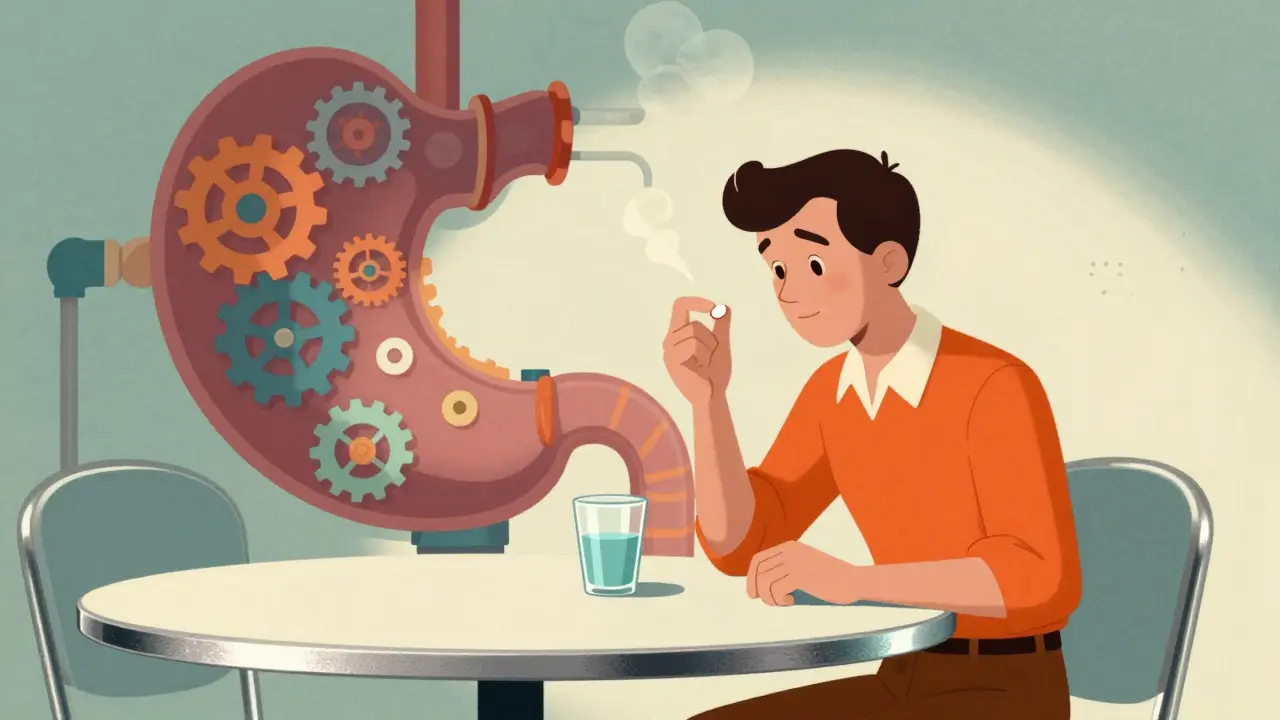
Starting a new medication for diabetes can feel like a gamble. One day you're told a pill will fix your A1c, and the next you're dealing with stomach issues or unexpected weight gain. The truth is, while these drugs are lifesavers that prevent kidney failure and heart disease, they often come with a "tax" in the form of side effects. The key isn't avoiding these meds, but knowing exactly what to expect so you aren't blindsided.
The goal of any diabetes medications is simple: keep your blood sugar in a safe range-usually an HbA1c below 7%-to stop long-term damage to your body. But because different drugs work in different ways-some forcing the pancreas to work harder, others flushing sugar through your pee-the side effects vary wildly. Here is a breakdown of the most common treatments and the realities of living with them.
The First Line: Biguanides and the "Metformin Belly"
For most people with type 2 diabetes, the journey starts with Metformin. It is a biguanide medication that lowers the amount of sugar your liver produces and helps your body use insulin better. It's cheap and effective, but it has a reputation for causing digestive chaos.
About 20-30% of people experience what some call "metformin belly"-nausea, diarrhea, and general abdominal discomfort. In fact, some surveys show nearly half of users almost quit the drug in the first month because the stomach issues were too much. There is also a hidden long-term risk: if you take it for five years or more, you might develop a vitamin B12 deficiency. This can feel like extreme fatigue or muscle weakness, which people often mistake for just "getting older" or being tired from diabetes.
If you're struggling, the pro move is to ask your doctor for the extended-release (ER) version. Studies show it cuts GI side effects by about 50%. Also, never take it on an empty stomach; having it with dinner significantly smooths out the transition.
The Insulin Stimulators: Sulfonylureas and the Risk of "Lows"
Then we have Sulfonylureas, like glipizide or glyburide. Unlike metformin, these don't just help you use insulin; they actively squeeze your pancreatic beta cells to pump out more insulin. This is powerful, but it can be dangerous if you miss a meal.
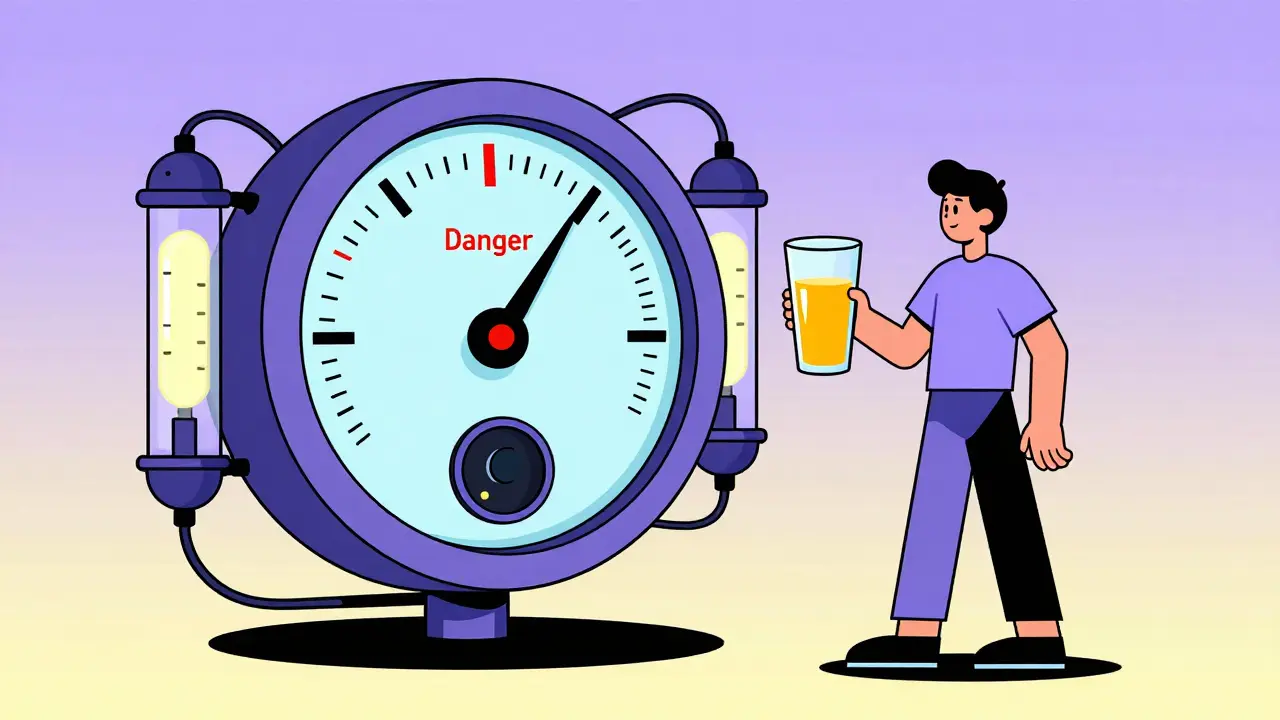
The biggest worry here is hypoglycemia (low blood sugar). Roughly 16% of people on these drugs experience at least one significant "low" every year. You might feel shaky, sweaty, or confused. There is also a tendency for weight gain, usually around 2 to 4 kg, because your body is processing more sugar into storage.
To handle this, remember the 15-15 rule: eat 15 grams of fast-acting carbs (like a few glucose tabs or a small juice), wait 15 minutes, and check your sugar again. If you're prone to these drops, a Continuous Glucose Monitor (CGM) can be a game-changer, reducing severe lows by up to 40%.
The New Wave: SGLT2 Inhibitors and GLP-1 Agonists
In recent years, two newer classes have changed the game. First are the SGLT2 Inhibitors (like Jardiance or Farxiga). These are fascinating because they don't deal with insulin at all-they tell your kidneys to stop absorbing sugar and instead flush it out through your urine.
Because there is more sugar in your urinary tract, yeast loves it. This leads to a high rate of genital mycotic infections (yeast infections), affecting 10-15% of women. Men aren't immune either, though it's less common. To manage this, stay hydrated and prioritize hygiene-wearing cotton underwear and gentle daily cleansing can cut recurrence by 60%.
Then there are the GLP-1 Receptor Agonists (like Ozempic or Mounjaro). These mimic a hormone that slows down your stomach emptying and tells your brain you're full. The "win" here is massive weight loss and heart protection. However, the "cost" is often intense nausea and vomiting in the first few weeks. About 30-50% of users feel sick to their stomach initially. The trick is to start at a tiny dose and climb slowly; your body needs time to adjust to the slower digestion.
| Drug Class | Main Action | Primary Side Effect | Weight Impact |
|---|---|---|---|
| Biguanides (Metformin) | Lowers liver glucose | Diarrhea, Nausea | Neutral/Slight Loss |
| Sulfonylureas | Increases insulin release | Hypoglycemia (Lows) | Weight Gain |
| SGLT2 Inhibitors | Flushes sugar via urine | Yeast Infections, UTIs | Weight Loss |
| GLP-1 Agonists | Slows digestion/Satiety | Nausea, Vomiting | Significant Loss |
| Insulin | Replaces/Adds hormone | Severe Hypoglycemia | Weight Gain |
The Heavy Lifter: Insulin Therapy
For those with type 1 or advanced type 2, Insulin is the gold standard. It is a hormone that allows glucose to enter your cells for energy. Since it's a direct replacement of a hormone, the risks are more immediate than with a pill.
The fear of hypoglycemia is a huge psychological burden for insulin users. Many people actually under-dose their medication-intentionally taking less than prescribed-because they are terrified of passing out or having a severe low during the night. Additionally, insulin often leads to weight gain (averaging 2-5 kg) because it is an anabolic hormone that promotes storage.
The key to managing insulin is consistency. Skipping a meal while on a strict insulin regimen can increase your risk of a dangerous sugar crash by over three times. Coordination between your meal timing and your dose is the only way to stay safe.
Navigating the Trade-offs
Choosing a medication is rarely about finding one with zero side effects; it's about choosing the side effects you can live with. If you have heart failure or kidney disease, the risk of a yeast infection from an SGLT2 inhibitor is a fair trade for a 30% reduction in heart-related complications. If you are struggling with obesity, the nausea of a GLP-1 agonist is often worth the 5-10% body weight loss.
However, cost remains a massive barrier. While generic metformin costs as little as $4 a month, some of the newer GLP-1 agents can cost upwards of $900 without insurance. This financial stress can be just as damaging to health as the disease itself, leading many to skip doses or use outdated, riskier medications.
Can I stop taking my diabetes medication if the side effects are too bad?
Never stop your medication abruptly. Doing so can cause a dangerous spike in blood sugar (hyperglycemia) or even diabetic ketoacidosis in some cases. Instead, call your doctor. They can often switch you to an extended-release version, adjust the dose, or move you to a different class of drug that your body tolerates better.
How do I know if my fatigue is from diabetes or a medication side effect?
It can be tricky. High blood sugar causes fatigue, but so does low blood sugar. More importantly, if you've been on Metformin for years, you might be B12 deficient. Ask your doctor for a B12 blood test. If you're deficient, a simple supplement can often resolve the exhaustion within three months.
Why do some diabetes drugs cause weight gain while others cause weight loss?
Drugs like insulin and sulfonylureas increase the amount of insulin in your blood. Since insulin tells your body to store energy (as fat), weight gain is common. Conversely, SGLT2 inhibitors flush calories (sugar) out through your urine, and GLP-1 agonists make you feel full faster and eat less, leading to weight loss.
Are these medications safe during pregnancy?
This varies. Metformin is generally considered relatively safe and is often used during pregnancy. However, many other oral medications are categorized as potentially risky (Category C or D). Always consult an endocrinologist to create a pregnancy-safe plan, as insulin is often the preferred choice for glycemic control during gestation.
How can I prevent yeast infections while on SGLT2 inhibitors?
The most effective way is consistent hygiene. Wash the genital area daily with gentle soap and water, dry thoroughly, and avoid using douches or scented products. Wearing breathable cotton underwear also helps keep the area dry, which makes it harder for yeast to grow.
Next Steps for Better Management
If you're currently struggling with your regimen, start by keeping a "side effect diary" for two weeks. Note exactly when you feel nauseous or shaky relative to when you took your medication and when you ate. This data is gold for your doctor; it allows them to see if you're experiencing a peak drug concentration or a late-day sugar crash.
For those on a tight budget, ask your pharmacist about generic alternatives. While the newest brand-name drugs get the most hype, older generics can still provide excellent control. If costs are preventing you from taking your meds, look into manufacturer patient assistance programs, which often provide medications at a steep discount or for free to those who qualify.