
How to Prevent Overdose in People with Substance Use Disorders: Proven Strategies That Save Lives
Every year, more than 70,000 people in the U.S. die from drug overdoses. Most of these deaths are preventable. The biggest killer? Fentanyl - a synthetic opioid so potent that just two milligrams can stop someone’s breathing. It’s hidden in pills that look like prescription painkillers, mixed into cocaine, and even found in counterfeit Xanax. People with substance use disorders aren’t just at risk because of what they’re using - they’re at risk because the drug supply is unpredictable, and help isn’t always easy to reach.
Know the Tools That Actually Work
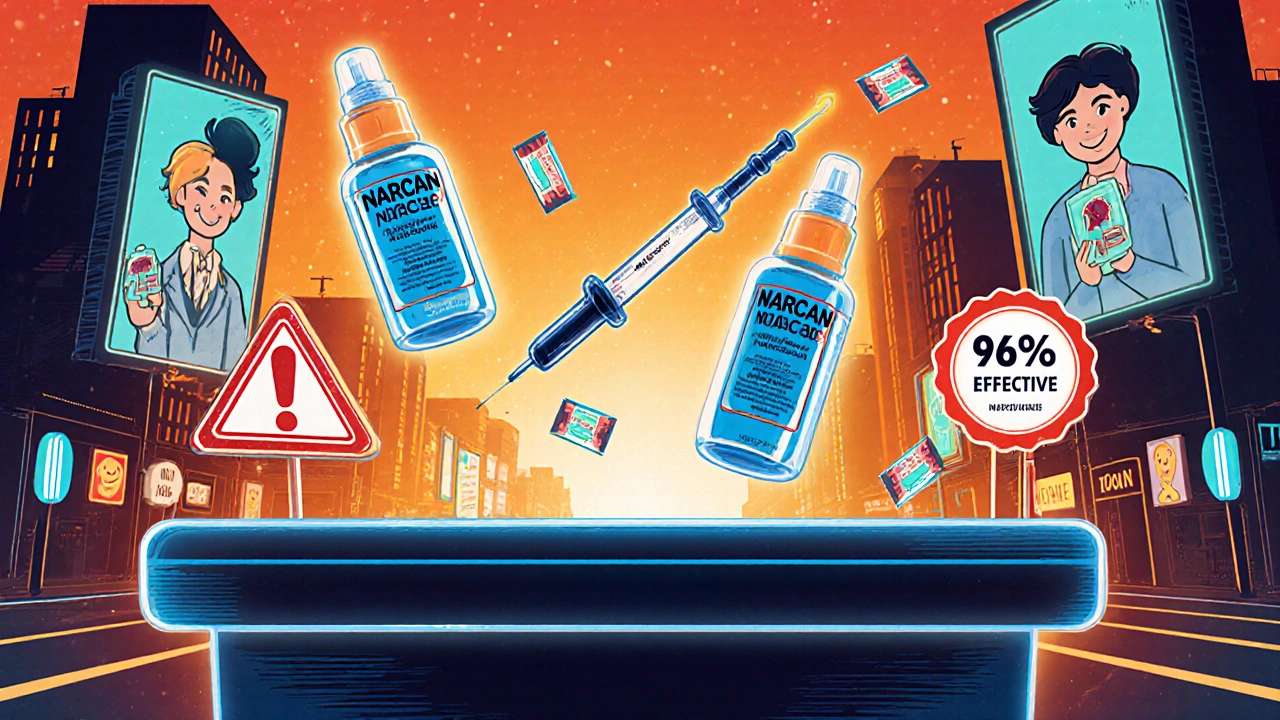
The best way to prevent an overdose isn’t to hope someone stops using. It’s to prepare for what might happen. Four tools have been proven over and over again to save lives.Naloxone is the most important. It’s a medication that can reverse an opioid overdose in minutes. It doesn’t work on cocaine, meth, or xylazine - but it works on fentanyl, heroin, and prescription opioids. The FDA approved the first over-the-counter naloxone nasal spray, Narcan, in March 2023. You don’t need a prescription. You can buy it at pharmacies, community centers, or even some gas stations. Training takes less than 20 minutes. Studies show 96% of people who get trained can use it correctly. And it works. In San Francisco, one program gave out naloxone to over 10,000 people and prevented 2,600 overdose deaths in a single year.
Fentanyl test strips are small, cheap, and easy to use. You put a tiny bit of powder or dissolve a pill in water, dip the strip in, and wait a minute. If it turns positive, the substance contains fentanyl. These strips can detect fentanyl at levels as low as 0.25 nanograms - far below the lethal dose. They work on heroin, cocaine, meth, and pills. The CDC says they’re one of the most effective harm reduction tools available. People who test their drugs before using are 30% less likely to overdose.
Medication-Assisted Treatment (MAT) is the most powerful long-term solution. It’s not just counseling. It’s using FDA-approved medications to treat opioid use disorder: methadone, buprenorphine, and naltrexone. These aren’t substitutes - they’re treatments. People on MAT are 50% less likely to die from an overdose. Yet only 18% of U.S. counties have access to all three medications. In rural areas, 60% of counties have no MAT provider at all. That’s not a gap - it’s a crisis.
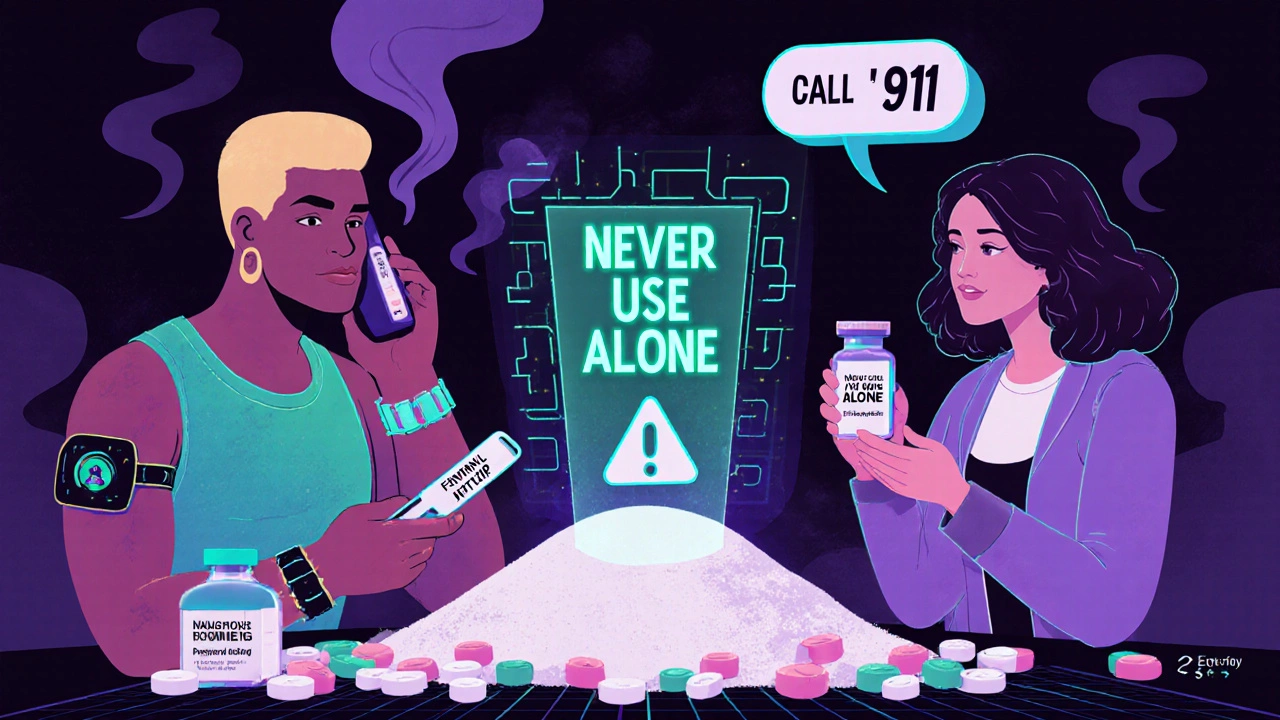
Never Use Alone is a free, anonymous hotline that connects people to trained volunteers during drug use. You call, tell them what you’re using, how much, and when. They stay on the line. If you stop responding, they call 911 and send help. The service gets about 12,000 calls a month. People who use this service are far less likely to die alone in a bathroom or on a couch.
Build a Safety Plan - It’s Not Optional
Having a plan isn’t about giving up. It’s about staying alive. The New York State Department of Health found that people who use a written safety plan have 28% fewer overdose events. Here’s how to build one:- Always carry naloxone - and make sure at least two people you trust know where it is and how to use it.
- Test every batch of drugs with a fentanyl strip, even if you’ve used it before.
- Never use alone. Call the Never Use Alone hotline or have someone with you.
- Start with a small amount. If you haven’t used in a while, your tolerance is lower. A dose that was safe last month could kill you now.
- Have a plan for what to do if someone overdoses: call 911, give naloxone, start rescue breathing if needed.
These aren’t suggestions. They’re survival steps. And they work.
Why Medication Matters More Than Abstinence
Too many people believe recovery means stopping all drugs completely. That’s not the whole story. For opioid use disorder, medications like buprenorphine and methadone are the most effective tools we have. They reduce cravings, block the high from other opioids, and stabilize brain chemistry. People on MAT are more likely to keep their jobs, stay in housing, and reconnect with family.The CDC says MAT cuts overdose deaths by half. WHO says it’s four to six times more effective than counseling alone. But stigma keeps people from getting it. Some think it’s just trading one drug for another. That’s false. Methadone and buprenorphine are controlled, regulated, and taken under medical supervision. They don’t cause euphoria when taken as prescribed. They restore normal function.
And access is still a huge problem. Only 18.4% of Americans with opioid use disorder got medication-based treatment in 2022. That means over 2 million people are going without the treatment proven to save their lives. If you or someone you know has opioid use disorder, ask for buprenorphine or methadone. Don’t settle for talk therapy alone.
The New Threat: Xylazine and Polysubstance Use
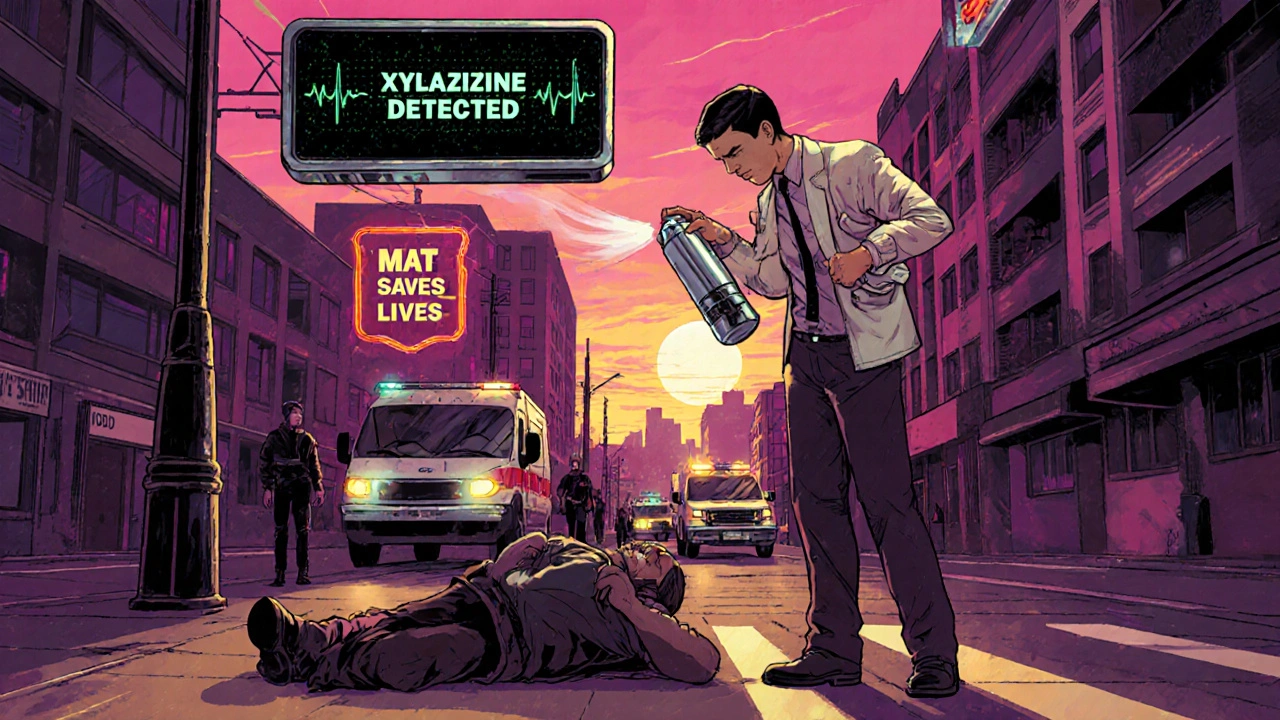
The drug supply is changing fast. In 2022, 78% of overdose deaths involved more than one substance. Cocaine laced with fentanyl. Meth with xylazine. Pills with both. Xylazine - sometimes called “tranq” - is a horse sedative that’s now showing up in street drugs. It causes severe sores, slows breathing, and naloxone doesn’t reverse it. That means even if you have naloxone, you might still need emergency medical help.If someone overdoses and naloxone doesn’t bring them back, keep giving it every 2-3 minutes and start rescue breathing. Call 911. Tell them xylazine might be involved. Emergency responders are learning how to handle it, but they need to know what they’re dealing with.
How to Help Someone Who Uses Drugs
You don’t need to be a doctor to save a life. Here’s what you can do:- Carry naloxone. Keep it in your car, your bag, your pocket. You never know when you’ll need it.
- Learn how to use it. Watch a 5-minute video on YouTube. Practice on a training kit.
- Don’t judge. Shame keeps people from asking for help. If someone tells you they’re using, respond with, “Do you have naloxone?” not “Why are you doing this?”
- Help them get tested. Offer to go with them to a harm reduction center for fentanyl strips or MAT.
- Know the signs of overdose: slow or no breathing, blue lips, unresponsive, gurgling sounds.
One person with naloxone can change everything. In Austin, a barista saved a customer’s life after seeing him collapse. She’d taken a free training at the local health department. She gave naloxone. He woke up. He’s now in treatment.
What’s Changing in 2025
The federal government is investing more than $1.8 billion a year in overdose prevention. New programs are expanding access to MAT in jails and prisons - where people are 120 times more likely to overdose after release. Nalmefene, a longer-acting overdose reversal drug, is now available in some states. It lasts 4 to 8 hours, compared to naloxone’s 30 to 90 minutes. That’s huge for people using fentanyl or xylazine.Smartphone apps like MyNarcan now show you the nearest naloxone location, give step-by-step video instructions, and even connect you to emergency services with one tap. Over 150,000 people have downloaded it since late 2023.
But progress is uneven. Rural areas still have fewer providers. Insurance often doesn’t cover MAT. Some states still restrict naloxone access through standing order laws. The fight isn’t over. But the tools are here. The knowledge is here. What’s missing is action.
Where to Get Help
You don’t have to figure this out alone.- Naloxone: Available at CVS, Walgreens, Rite Aid, and many pharmacies without a prescription. Some community health centers give it out for free.
- Fentanyl test strips: Available through harm reduction organizations like DanceSafe, The Loop, and local syringe service programs.
- Medication-Assisted Treatment: Call SAMHSA’s National Helpline at 1-800-662-HELP (4357). It’s free, confidential, and available 24/7.
- Never Use Alone: Call 1-800-484-3731 or text HELP to 211-111. They’re there 24/7.
- MyNarcan app: Free on iOS and Android. Shows nearby naloxone, guides you through reversal, and connects to 911.
Preventing overdose isn’t about fixing someone. It’s about giving them a chance. Every person deserves to live - even if they’re still using. The tools exist. The science is clear. What happens next depends on you.
Chetan Chauhan
November 27, 2025 AT 22:42Barbara McClelland
November 29, 2025 AT 11:41Alexander Levin
November 30, 2025 AT 16:21Jermaine Jordan
December 1, 2025 AT 05:19Pranab Daulagupu
December 1, 2025 AT 12:42Travis Freeman
December 2, 2025 AT 23:20Chris Taylor
December 4, 2025 AT 19:50Sean Slevin
December 6, 2025 AT 04:11Matthew Stanford
December 8, 2025 AT 03:43Melissa Michaels
December 9, 2025 AT 02:25Olivia Currie
December 10, 2025 AT 03:26Curtis Ryan
December 11, 2025 AT 16:11Ady Young
December 13, 2025 AT 12:05Astro Service
December 14, 2025 AT 05:59farhiya jama
December 15, 2025 AT 09:26Nathan Brown
December 16, 2025 AT 23:56Phil Thornton
December 18, 2025 AT 02:44Jermaine Jordan
December 18, 2025 AT 17:35