
Patient Support Groups: Sharing Experiences with Generics
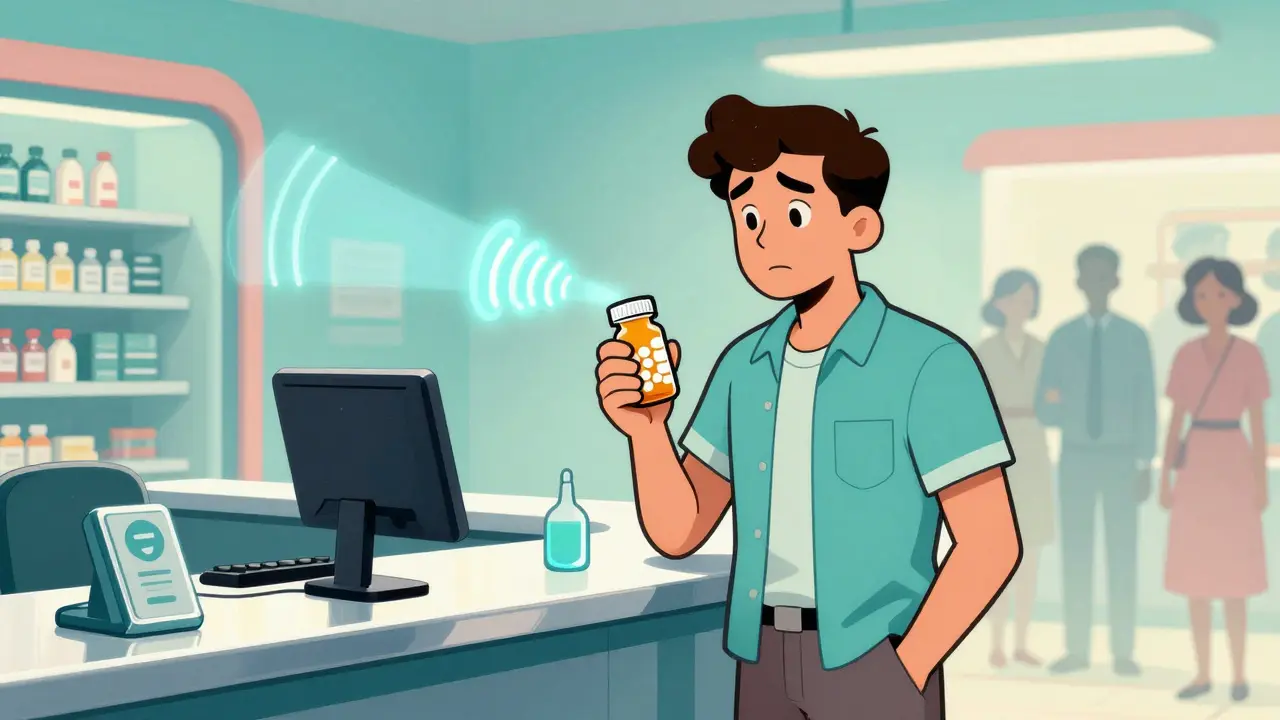
You walk into the pharmacy. The pharmacist asks if you want the generic version. You hesitate. Maybe you heard stories online about side effects. Maybe you're worried your blood pressure isn't controlled as well on the cheaper pill. It's a common feeling, but you're not alone. In fact, thousands of people across the U.S. deal with this exact hesitation every single day.
This is where Patient Support Groups focused on generic medication communities come in. These aren't just forums for complaining; they are structured networks where real people talk about their health outcomes.
We know from data that 90% of prescriptions filled today are generics, yet some patients still resist them. That 10% gap represents millions of people who could save money and manage conditions better but remain stuck due to trust issues. Let's explore how connecting with others changes that dynamic.
What Exactly Are Generic Support Networks?
When we talk about patient education, we usually picture a doctor talking to a patient in a quiet room. But real learning happens elsewhere. Patient Support Groups operate differently. They are organized communities-sometimes online, sometimes in local community health centers-where members exchange information specifically about drug substitution and efficacy.
Think of them as a bridge. On one side, you have complex regulatory science. On the other, you have human anxiety about health. These groups translate that science into lived experience. Organizations like the National Organization for Rare Disorders helped pioneer this model back in the 1980s, but the modern iteration relies heavily on digital platforms.
The core function is validation. When you switch from a brand-name drug to a generic, your body feels the difference because the inactive ingredients change slightly. Support groups allow you to hear if others felt similar sensations. Is it the new drug, or was it stress? Is it a heartburn issue, or was it lunch?
This peer-to-peer verification is crucial. It reduces the isolation that comes with medical decisions. You stop wondering if you are imagining symptoms and start seeing patterns in shared experiences.
Understanding the Science Behind the Stories
Trust starts with facts. Before sharing feelings, you need to know what makes a generic a generic. The Food and Drug Administration (FDA) sets strict rules here.
A generic drug isn't just "similar" to the brand name. To get approval, it must demonstrate bioequivalence. This means the generic must deliver the active ingredient into your bloodstream within a specific range compared to the original drug. Specifically, the standard is that the generic must work between 80% to 125% as effectively as the brand.
In plain English, the body processes the medication almost identically. Yet, perception gaps remain. A University of Chicago Medicine study found that confidence in generics increased by 27% among those participating in structured support groups. Why? Because the group explains that variation in effectiveness often lies in the placebo effect or lifestyle factors, not necessarily the drug itself.
This is where the therapeutic equivalence comes into play. When a group discusses a switch, they are essentially testing this standard in the real world. They cross-reference personal anecdotes with clinical reality.
For example, cardiovascular medications often see the highest adherence rates when patients understand this equivalence. Patients taking generic statins often report initial worries about muscle pain or energy levels. In moderated forums, experienced members share that these symptoms often resolve within two weeks as the body adjusts, a timeline supported by the FDA's own data on transition periods.
| Type | Professional Oversight | Typical Response Time | Primary Focus |
|---|---|---|---|
| Certified Groups (e.g., Hospital-affiliated) | Yes, Pharmacist verified | Under 24 hours | Safety & Accuracy |
| Community Forums (e.g., Reddit/Facebook) | Varies, often None | Hours to Days | Emotional Support |
| Condition-Specific Groups | Often Volunteer-led | Variable | Disease Management |
The Power of Cost and Adherence
Money matters. While science explains the pills, economics explains the access. The Association for Accessible Medicines reports that while generics made up 90% of prescriptions in 2022, they represented only 12% of spending. That massive savings keeps people alive, but only if they take the medicine.
Medication Adherence is the ability to stick to a treatment plan. Here, generic support groups shine. The lower out-of-pocket cost leads to better consistency.
FDA research from 2022 highlighted that patients initiated on generic drugs had 15-20% higher adherence rates compared to those staying on brand-name drugs simply because the financial barrier was removed. Imagine managing diabetes. Insulin costs matter. Biosimilar alternatives can drop monthly costs by hundreds of dollars.
Support groups amplify this benefit by removing the guilt of skipping doses. When you know you're taking a clinically equivalent medication for less money, the mental load decreases. One case study from a Texas-based diabetes group showed a reduction in insulin analog costs, saving members an average of $327 monthly while maintaining blood sugar control.
It creates a positive feedback loop. Savings mean less stress. Less stress often means better physical health outcomes, particularly for chronic conditions requiring long-term management.
Identifying Safe Spaces vs. Risks
Not all corners of the internet are safe havens. This is the critical filter you need. Misinformation spreads fast. A study analyzing online discussions found that 34% of unmoderated conversations about generics contained inaccurate claims regarding efficacy.
So, how do you spot the good ones? Look for professional oversight. Effective groups, such as those backed by the American College of Physicians, incorporate healthcare professionals to validate shared experiences. These pros answer medical queries within 24 hours in certified environments.
If a group has no moderation, proceed with caution. You might find a thread claiming that generic antiepileptics caused seizures. Research shows that objective measures didn't always differ, but the fear was real. This is the nocebo effect-expecting harm and feeling it. Unmonitored groups can reinforce these fears inadvertently.
Look for libraries of documents. The Generic Drug Patient Alliance maintains updated FAQ documents that align with FDA guidelines. Quality groups update their information quarterly. Check for timestamps on advice. Medical guidance moves quickly. Old advice might refer to outdated regulations or studies.
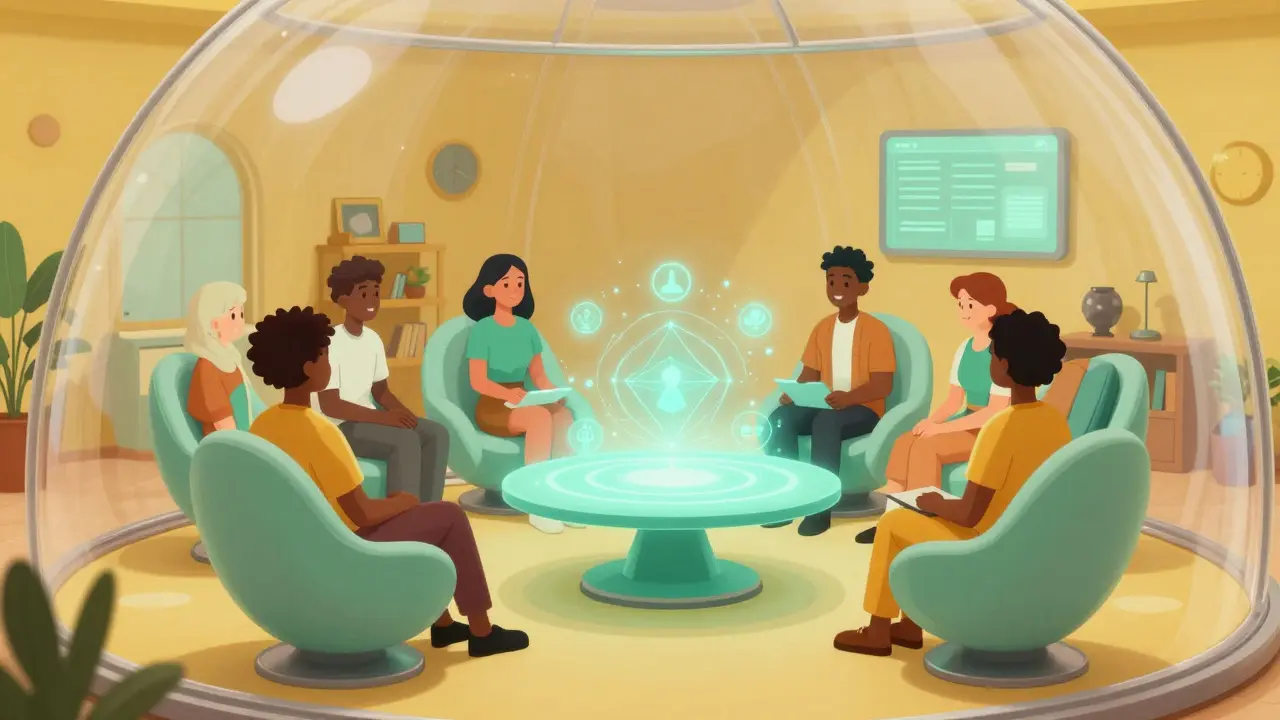
Structuring Your Participation
Joining a group doesn't require a degree in medicine. Most setups require minimal system requirements-just internet access or a visit to a community center. For rural communities, the CDC noted particular effectiveness in these hubs where transportation barriers limit healthcare access.
To get the most out of it, aim for structured engagement. The IMPROVE project from the University of Chicago demonstrated that regular participation boosts generic utilization. Specifically, comfort levels with substitution increased significantly with frequent communication.
You can also bring your insights back to your doctor. Bidirectional communication is key. Doctors need to hear that you switched successfully. In pilot programs using conversation guides developed by the American College of Physicians, doctors increased generic prescribing rates by 18%. Your voice influences their prescription pad.
This partnership transforms you from a passive recipient of healthcare to an active partner. It closes the gap between the pharmacy counter and your living room table.
Looking Ahead at Patient Education
The landscape is shifting toward integration. We are seeing tools like AI-powered coaches that connect with pharmacy benefit managers. The FDA launched a Patient Experience Metrics program in 2023 to formalize methods for including these insights into regulatory decisions. By 2026, we expect broader adoption of systems where support group data feeds directly into electronic health records.
This isn't just about saving money anymore. It's about optimizing the entire drug supply chain through real-world evidence. If patients consistently report better outcomes on a specific manufacturer's generic, that data becomes valuable intelligence.
Ultimately, the goal remains the same: better health through informed choices. Whether you are part of a small circle at a church basement meeting or a large forum on a dedicated app, the value comes from the connection. Shared experience bridges the gap between the lab results in the file cabinet and the way you actually feel in your daily life.
Are generic medications exactly the same as brand-name drugs?
Generic medications contain the same active ingredients and must meet the same safety and quality standards as brand-name drugs. The FDA requires them to show bioequivalence, meaning they perform within a specific statistical range of the original drug. While active ingredients match, inactive ingredients like fillers or binders may differ.
How can I tell if a patient support group is reliable?
Look for groups that have healthcare professional oversight, such as a pharmacist or nurse practitioner who monitors discussions. Reliable groups cite sources, update information regularly, and avoid making absolute medical guarantees. Groups affiliated with recognized organizations like the American College of Physicians are generally safer.
Can joining a support group help lower my drug costs?
Yes. Support groups often educate members on insurance formulary tiers and available assistance programs. Furthermore, by encouraging the switch to generic or biosimilar options, you can reduce out-of-pocket expenses significantly. Studies show that adherence to affordable generics prevents expensive emergency visits related to poor disease management.
Why do some people feel different on generics?
This is often due to variations in inactive ingredients which affect how the drug dissolves or how your stomach absorbs it, though they stay within FDA legal limits. Sometimes the difference is the nocebo effect, where expecting negative changes creates symptoms. Discussing these nuances in a support group helps normalize the transition period.
Do doctors trust feedback from support groups?
Increasingly, yes. Many physicians value the real-world data patients gather. The trend toward 'patient-focused drug development' means regulatory bodies and clinicians are looking at patient narratives to understand side effects and adherence barriers that clinical trials might miss.
Victor Ortiz
March 31, 2026 AT 03:51People think these support groups are magic. They aren't. The FDA data says what it says. Bioequivalence is 80-125% and yet you guys scream when you switch. It's mostly psychological. You feel the sugar coating change and call it toxicity. That is statistically insignificant noise in the system. We need to stop listening to forum anecdotes and read the papers.
Amber Armstrong
March 31, 2026 AT 05:07I hear what you're saying about the statistics, Victor, but you're ignoring the human element entirely. When someone lives with chronic pain every single day, their perception becomes their reality regardless of the numbers on a chart. It feels terrible when your stomach hurts and switching pills makes it worse even if it's technically legal. We have to validate those feelings instead of telling them they are imagining things. Trust is built slowly over time through shared stories and not just by pointing at regulation documents. I joined a diabetes group and saw people drop out because they felt the generics made them tired. It turned out to be the fillers affecting absorption rates slightly differently than the brand name. If we dismiss that experience, we lose patients who might stop taking medication entirely. Adherence goes down when fear goes up and support networks help lower that fear factor significantly. It isn't just about saving money; it's about feeling safe while you take the medicine. Doctors don't have time to explain why the pill looks different sometimes so peers fill that gap. Validation reduces the stress load on the nervous system which actually helps physical outcomes overall. We need to combine the hard science with the soft truth of how people live. Ignoring the anecdotal evidence creates a dangerous divide between doctors and the public. We cannot ignore the fact that fear drives behavior more often than cold data does. Listening to people builds community resilience against the nocebo effect mentioned in the article. Eventually, the goal is safety and health for everyone involved in this process. So please try to understand why we gather rather than calling us delusional.
Rick Jackson
April 1, 2026 AT 06:57There is something profound about how communities self-regulate information. The bridge between clinical trials and daily life is where the real learning happens. I see people finding peace in these forums. It changes the dynamic of healthcare completely. We become partners in our own wellness. This shift matters for long term stability.
Beccy Smart
April 1, 2026 AT 20:36Yawn 😴 another person thinks they know better than the FDA 🙄👉📉🛑
sanatan kaushik
April 2, 2026 AT 21:19My country has many cheap drugs. Big pharma lies to you. Generics save money for poor people. Do not listen to rich companies.
Debbie Fradin
April 3, 2026 AT 03:14Oh yes, let's just assume every manufacturer is a villain trying to steal your wallet. That sounds much better than looking at the actual regulatory oversight mechanisms in place. Your cynicism is cute but totally lacks nuance. It would be great if you could acknowledge that some companies actually do care about public health. Instead you act like a conspiracy theorist hiding in a basement somewhere. This is exactly the kind of attitude that makes patient education difficult.
Jonathan Alexander
April 4, 2026 AT 20:12The drama surrounding these issues is exhausting sometimes. People really need to calm down and accept the science. It is not a battleground.
Charles Rogers
April 5, 2026 AT 06:37C calming down is rarely the solution to genuine systemic distrust issues that run deep within the population. Expecting patients to accept everything without question is setting unrealistic expectations for modern healthcare interactions. We are dealing with fundamental questions of trust and bodily autonomy here. When you tell someone to just accept it, you invalidate years of frustration they may have faced. It is easier to lecture people than to actually engage with their specific fears and concerns. Support groups provide a buffer zone where that engagement can happen safely without judgment. We need to respect the journey people take before they arrive at the pharmacy counter. Dismissing their anxiety as drama undermines the entire purpose of peer support networks. Real connection requires acknowledging the emotional weight of medical decisions. It is not enough to simply hand over a prescription slip and hope for the best. We must build structures that allow for honest dialogue about side effects and alternatives. The cost factor plays a massive role in whether anyone even starts the treatment plan correctly. If you save them money but make them anxious, the outcome is net negative. Adherence drops when the patient feels unheard by their support system. We must prioritize the human experience alongside the biochemical facts. Ignoring the emotional component guarantees failure in long-term management strategies. Patients are not robots processing chemical inputs into their systems.
Adryan Brown
April 6, 2026 AT 14:07Finding balance between scientific rigor and patient experience is the ultimate goal we should all work towards together. It seems clear that both sides have valid points that need to be respected equally. Science provides the framework for what is safe and effective for the vast majority of bodies. Peer experiences provide the context for how those protocols work in messy real life situations. We cannot discard either source of information if we want optimal health outcomes. Bridging that gap takes patience and willingness to listen to opposing viewpoints constructively. The future of medicine depends on collaboration rather than conflict between stakeholders. Everyone deserves access to affordable medication without compromising their sense of security. Building trust takes time but it is worth the investment for society as a whole. We should encourage more platforms where doctors and patients can learn from each other openly. Education flows both ways in these successful environments we read about. Let us focus on solutions that empower individuals to make informed choices confidently. Many studies confirm that open communication improves adherence rates significantly. We have seen improvements in chronic disease management recently. The trend is moving towards patient centered care models everywhere.