
Penicillin Allergies: What Patients Need to Know for Safety
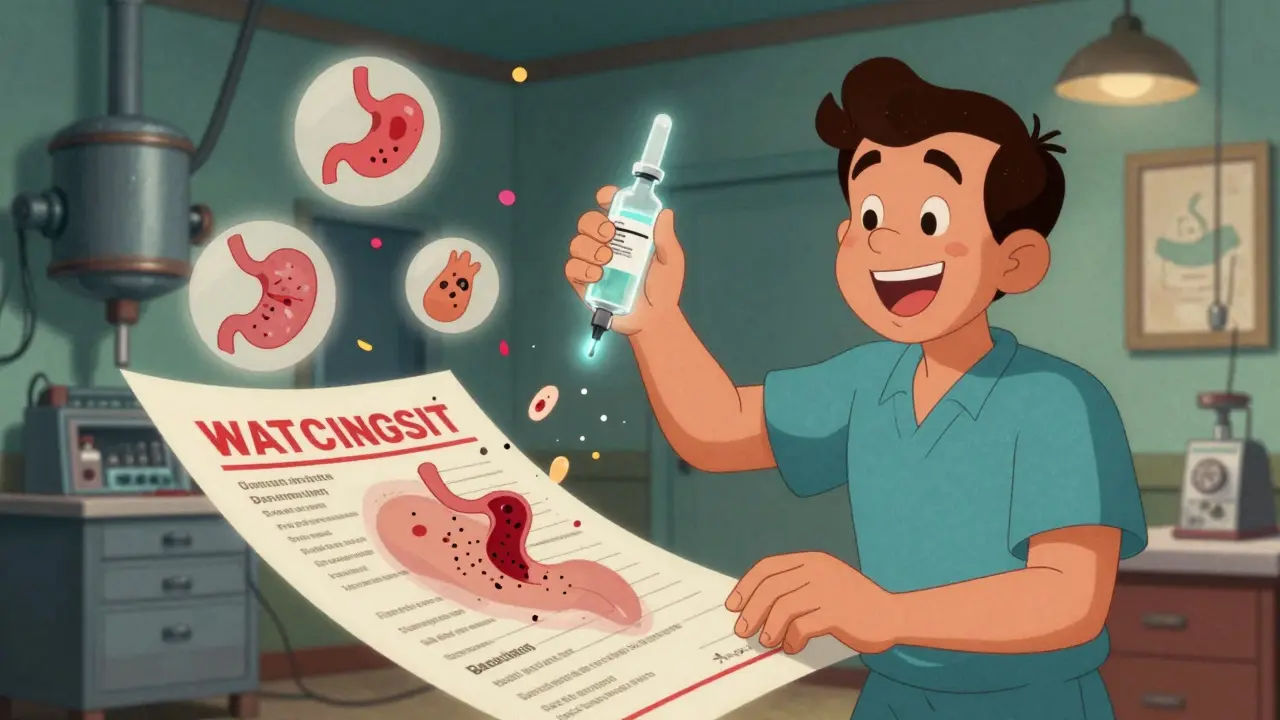
More than 10% of people in the U.S. say they’re allergic to penicillin. But here’s the surprising truth: 9 out of 10 of those people aren’t actually allergic. That’s not a typo. Most people who think they have a penicillin allergy don’t - and carrying around that label could be putting their health at risk.
Why So Many People Think They’re Allergic to Penicillin
Penicillin was discovered in 1928 and became the first widely used antibiotic in the 1940s. Since then, millions of people have taken it. But not everyone who had a reaction back then had a true allergy. Many were misdiagnosed.Maybe you got a rash as a kid after taking amoxicillin for an ear infection. Or you felt nauseous after a dose and were told, "You’re allergic." Maybe a family member had a bad reaction, and you were warned to avoid it. These stories stick. But rashes, upset stomach, or headaches aren’t always signs of an immune system reaction. They’re often side effects - not allergies.
According to the CDC, only about 1% of the population has a true penicillin allergy. Yet nearly 10% of people carry the label. That mismatch isn’t harmless. It leads to doctors avoiding the safest, most effective antibiotics and reaching for stronger, more expensive ones instead - drugs that increase the risk of dangerous infections like C. difficile and MRSA.
What a Real Penicillin Allergy Looks Like
A true penicillin allergy is an immune system overreaction. It’s not just a rash or an upset stomach. There are two main types: immediate and delayed.Immediate reactions happen within an hour. These are the dangerous ones. Symptoms include:
- Hives or widespread swelling (especially of the face, lips, or throat)
- Wheezing or trouble breathing
- Dizziness, rapid pulse, or passing out
- Low blood pressure
This is anaphylaxis - a medical emergency. If you’ve ever had this, you need to avoid penicillin and carry epinephrine. But this kind of reaction is rare.
Delayed reactions show up hours or days later. The most common is a flat, red rash that spreads over the body. It’s usually not life-threatening. But some delayed reactions are serious:
- Stevens-Johnson Syndrome (SJS) - blistering skin and mucous membranes
- Toxic Epidermal Necrolysis (TEN) - life-threatening skin shedding
- DRESS - fever, swollen lymph nodes, and organ involvement
If you’ve had any of these, you need to avoid penicillin and related drugs forever. But if you only had a mild rash years ago, your risk may have faded.
Most Penicillin Allergies Fade Over Time
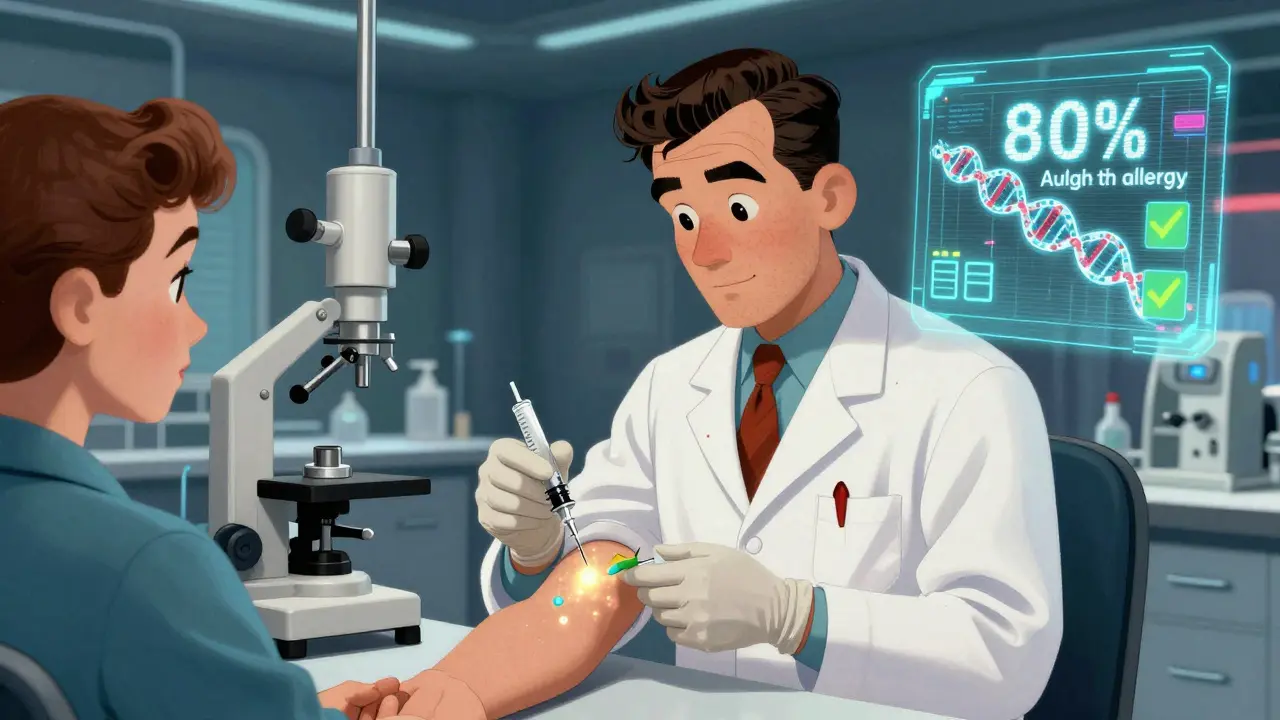
Your body doesn’t hold onto drug allergies forever. If you had a true IgE-mediated reaction (the kind that causes hives or anaphylaxis), there’s an 80% chance you’ve outgrown it after 10 years without exposure.For delayed rashes, the immune system usually forgets after just 1-2 years. That means if you were told you were allergic to penicillin as a child and haven’t taken it since, you’re likely not allergic anymore.
Yet most people never get tested. They just avoid it - even when they’re in the hospital with a serious infection. That’s why so many people end up on broad-spectrum antibiotics like vancomycin or clindamycin, which are more expensive, harder on the gut, and more likely to cause resistant infections.
How to Find Out If You’re Really Allergic
The only way to know for sure is through testing. It’s simple, safe, and widely available.Step 1: Skin testing
This is done by an allergist. A tiny amount of penicillin (and its breakdown products) is placed under the skin with a tiny needle. If you’re allergic, a red, itchy bump appears within 15-20 minutes. This test is over 95% accurate for detecting IgE-mediated allergies.
Step 2: Oral challenge
If the skin test is negative, you’ll be given a small dose of amoxicillin - usually 250 mg - and watched for an hour. No reaction? You’re not allergic. This step confirms the skin test results and is the gold standard for ruling out penicillin allergy.
For people with low-risk histories - like a childhood rash or mild itching more than five years ago - doctors may skip skin testing and go straight to the oral challenge under supervision. It’s safe when done correctly.
Testing isn’t just for people who need penicillin right now. It’s for anyone who’s ever been told they’re allergic. Even if you’ve never taken it since, the label stays in your chart. And that label can affect your care for the rest of your life.
What to Do If You’re Low-Risk
Not everyone needs testing. The CDC and allergy experts have created clear risk categories:- Low-risk: Rash from childhood, itching alone, stomach upset, headache, or no memory of the reaction. You can often safely take first-generation cephalosporins like cefazolin without testing.
- Moderate-risk: Hives within the last five years, swelling, or breathing trouble. You need testing before taking any penicillin or related antibiotic.
- High-risk: Anaphylaxis in the last 10 years, SJS, TEN, or DRESS. Avoid all penicillin and beta-lactam drugs. See an allergist.
If you’re low-risk and your doctor says you need penicillin for an infection, ask: "Can I take it under observation?" Many clinics now offer supervised dosing. You’ll take a small dose and be watched for 30-60 minutes. If nothing happens, you’re cleared.
Why Removing the Label Matters
Getting your allergy label removed isn’t just about convenience. It’s about safety and saving lives.Patients with a penicillin allergy label are 50% more likely to get a MRSA infection. They’re 35% more likely to get C. difficile. Why? Because doctors use stronger antibiotics as backups - drugs that wipe out good bacteria in the gut and let bad ones take over.
One study found that if just 112-124 people with false penicillin labels were tested, one surgical site infection could be prevented. That’s a huge win for public health.
The CDC estimates that fixing this problem could save the U.S. healthcare system $1.2 billion a year. Hospitals that have set up formal penicillin allergy evaluation programs have removed incorrect labels from 80-90% of patients.
What You Should Do Now
If you’ve ever been told you’re allergic to penicillin, here’s what to do:- Check your medical records. Is "penicillin allergy" clearly listed? If so, ask your doctor if it’s still accurate.
- Think back: What exactly happened? Was it a rash? Nausea? Trouble breathing? When was it? Did you ever get tested?
- If it was more than five years ago and you only had a mild reaction, ask your doctor about a penicillin allergy evaluation.
- If you’ve never been tested and you’re scheduled for surgery, ask if you can be referred to an allergist. Cefazolin - the most common surgical antibiotic - is safe for most people with false penicillin labels.
- If you’ve had a severe reaction, keep your allergy label. But still talk to an allergist. They can help you understand what you’re truly allergic to - and what you can safely take.
Don’t wait until you’re sick. If you’re on antibiotics right now and you’re avoiding penicillin because of an old label, ask your doctor: "Could I be tested?"
How to Protect Yourself
If you have a confirmed true allergy:- Wear a medical alert bracelet that says "Penicillin Allergy"
- Make sure every doctor, dentist, and pharmacist knows about it
- Carry epinephrine if you’ve had anaphylaxis
- Ask for written documentation of your allergy and what alternatives are safe
If you’ve been de-labeled:
- Ask your doctor to remove the allergy from your chart
- Get a letter or note from the allergist confirming the test results
- Keep that note with your medical records
- Tell future providers: "I was told I was allergic, but I was tested and cleared."
Penicillin is one of the safest, cheapest, and most effective antibiotics ever made. For most people, it’s also the best choice. But only if you’re not allergic - and for most people, you’re not.
Frequently Asked Questions
Can I outgrow a penicillin allergy?
Yes. About 80% of people who had a true IgE-mediated penicillin allergy lose their sensitivity after 10 years without exposure. For milder delayed rashes, the immune system often forgets after just 1-2 years. Testing is the only way to confirm you’re no longer allergic.
Is a rash always a sign of penicillin allergy?
No. Many rashes after taking penicillin are not allergic. They can be caused by viruses, side effects, or unrelated skin conditions. Only specific types - like hives, swelling, or blistering - are signs of a true immune reaction. A doctor or allergist can help tell the difference.
Can I take cephalosporins if I’m allergic to penicillin?
For most people, yes. Third- and fourth-generation cephalosporins like ceftriaxone or cefepime are safe even for those with a history of mild penicillin reactions. First-generation cephalosporins like cefazolin are safe for low-risk patients. Only those with a history of anaphylaxis or severe skin reactions should avoid all beta-lactams.
What if I need antibiotics right now and can’t wait for testing?
If you’re in a serious infection and need immediate treatment, doctors will use alternatives like clindamycin or vancomycin. But if you’re low-risk and have a mild history, your doctor may still give you penicillin under observation. Don’t refuse treatment - ask about supervised dosing.
Is penicillin allergy testing covered by insurance?
Yes, most insurance plans cover allergy testing when ordered by a doctor. Skin testing and oral challenges are routine procedures for allergists. The cost is typically much lower than the long-term expense of using broader antibiotics or treating complications like C. difficile.
Next Steps
If you’ve ever been told you’re allergic to penicillin, don’t assume it’s still true. Talk to your primary care doctor or an allergist. Ask: "Could I be tested?"It’s a simple process. It’s safe. And it could change how you’re treated for the rest of your life - saving you from unnecessary risks, higher costs, and harder-to-treat infections. You don’t need to live with a label that doesn’t fit anymore.
Ashley Bliss
December 19, 2025 AT 08:00Wow. Just... wow. I’ve been carrying this label since I was 7 after a rash from amoxicillin. My mom screamed ‘ALLERGIC!’ and that was it. No testing. No questions. Now I’m 34, had three surgeries, and they gave me vancomycin every time. I could’ve had penicillin. I could’ve avoided C. diff. I could’ve saved thousands. This isn’t just medical-it’s emotional abuse by outdated fear. I’m getting tested next week. If I’m cleared, I’m changing my medical bracelet to say ‘I was wrong, but now I’m free.’
Dev Sawner
December 20, 2025 AT 20:12It is imperative to underscore that the statistical discrepancy between self-reported penicillin allergy and confirmed immunoglobulin E-mediated reactivity is not merely a clinical anomaly, but a systemic failure in primary care education and diagnostic protocol adherence. The prevalence of misattribution stems from conflating non-immunological adverse effects-such as gastrointestinal distress or maculopapular eruptions of viral etiology-with true hypersensitivity. This misclassification perpetuates antimicrobial stewardship crises, particularly in resource-constrained environments where broad-spectrum alternatives are both economically and epidemiologically unsustainable.
Moses Odumbe
December 22, 2025 AT 02:53Bro. I thought I was allergic too 😅 Then I got a UTI and my doc said ‘try amoxicillin’ and I was like ‘nah I’m allergic’ and he was like ‘you had a rash at 5, you’re 28 now, let’s test you’-so I did. Zero reaction. They gave me a whole pill in the clinic and I went to lunch after. Best. Day. Ever. 🍕 Now I tell everyone. Stop being scared of a label you got as a kid. Get tested. It’s 2025.
Meenakshi Jaiswal
December 22, 2025 AT 19:40If you’ve ever been told you’re allergic to penicillin, please don’t ignore this. I’m a nurse and I’ve seen patients suffer because they were labeled allergic without ever being tested. The truth is, most of them aren’t. And every time we avoid penicillin unnecessarily, we’re making infections harder to treat-for them, for their kids, for all of us. Talk to your doctor. Ask about testing. It’s simple, safe, and it could save your life someday. You don’t have to live with a fear that doesn’t belong to you anymore.
bhushan telavane
December 23, 2025 AT 19:08Interesting. In India, most people don’t even know what penicillin is. We just get whatever the doctor gives. But I’ve seen people panic if you say ‘antibiotic’-like it’s poison. Maybe this is a Western problem. But the science is still real. If you had a rash 10 years ago, you’re probably fine. Still, better to check. Don’t guess.
Mahammad Muradov
December 24, 2025 AT 05:15The notion that 90% of self-reported penicillin allergies are false is statistically misleading. The data derives from retrospective self-reports in high-income populations with access to allergists-a non-representative sample. In low-resource settings, where diagnostic infrastructure is absent, misclassification rates are significantly higher due to reliance on anecdotal history. Therefore, generalizing this statistic globally is not only inappropriate but potentially dangerous.
Connie Zehner
December 25, 2025 AT 13:28OMG I had a rash at 8 and now I’m 42 and I’ve had 4 surgeries and they gave me Cipro every time and I HATE it and I get stomach cramps and I’m so mad at my mom for not getting me tested and now I’m terrified I’m gonna die from an infection and I can’t even take Advil without thinking it’s gonna kill me 😭 I NEED TO GO TO AN ALLERGIST TOMORROW I CAN’T DO THIS ANYMORE
Jedidiah Massey
December 26, 2025 AT 02:17It’s fascinating how the biomedical paradigm has been systematically undermined by lay epistemologies. The persistence of the ‘penicillin allergy’ heuristic-rooted in phenomenological misattribution and cultural reinforcement-exemplifies a broader epistemic crisis in public health literacy. The conflation of pharmacokinetic intolerance with immunological hypersensitivity constitutes a category error of clinical significance. The imperative to de-label is not merely therapeutic-it is ontological. We must reconstitute the patient’s relationship to their own somatic narrative through evidence-based re-verification. Otherwise, we risk perpetuating a medicalized mythos that undermines antimicrobial integrity at the molecular level.
Alex Curran
December 27, 2025 AT 06:01I got tested last year after reading this. Skin test negative. Took the amoxicillin. No reaction. Got the letter. Took it to my dentist. They were shocked. Said I’d been labeled allergic since 2008. Removed it. Now I can get cefazolin for any dental work. Best decision ever. Seriously, if you’ve been told you’re allergic and it was more than 5 years ago-just ask. It’s not a big deal. Just a prick and a pill. And you get to stop being scared of your own medical record