
Pharmacy Reimbursement Models: How Laws Impact Generic Drug Payments
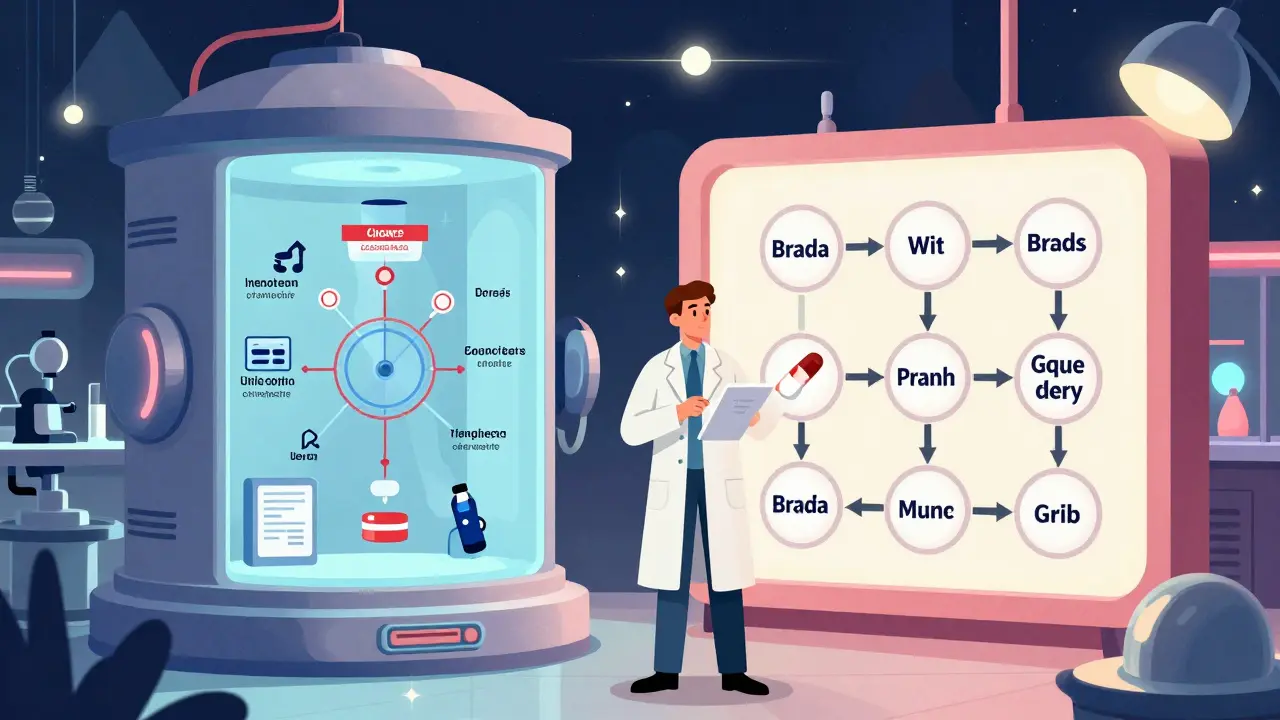
Pharmacy reimbursement models determine how much pharmacies get paid for dispensing generic drugs. These models are shaped by federal and state laws that balance cost control with patient access. For instance, 90% of all prescriptions in the U.S. are for generic drugs, yet they account for only 23% of total drug spending. This stark difference shows why reimbursement rules matter so much. But how do laws actually affect how pharmacies get paid? Let's break it down.
Key Laws Shaping Generic Drug Reimbursement
The foundation of today's generic drug reimbursement system comes from the Hatch-Waxman Act a 1984 law that created the abbreviated new drug application (ANDA) pathway for generic drugs while balancing patent protections for brand-name manufacturers. This landmark legislation allowed generic manufacturers to prove their drugs are bioequivalent to brand-name drugs without repeating expensive clinical trials. As a result, generic drugs could enter the market faster and cheaper. Without Hatch-Waxman, the generic drug industry as we know it wouldn't exist.
Medicare Part D also plays a major role. This federal program covers prescription drugs for seniors and people with disabilities. It requires formularies to have multiple tiers, with generic drugs typically in the lowest cost-sharing tier. For example, a generic drug might have a $5 copay while a brand-name drug could cost $35. CMS sets rules for how Part D plans cover drugs, including requirements for formulary reviews and coverage determinations. As of 2022, 28% of Part D plans required prior authorization for at least one generic drug, showing how coverage rules directly affect access.
Medicaid's Drug Rebate Program is another key player. States and the federal government use this program to offset drug costs for Medicaid beneficiaries. Drug manufacturers must pay rebates to states based on a formula tied to the drug's average manufacturer price. This program covers 85 million people across all 50 states and DC. The rebates help keep Medicaid drug costs lower, which in turn affects how pharmacies get reimbursed for generic drugs dispensed to Medicaid patients.
State laws also vary widely. Forty-four states have enacted regulations specifically targeting pharmacy reimbursement practices for generic drugs. These laws often address issues like maximum allowable cost programs, pharmacy network contracts, and transparency requirements. For example, some states require pharmacies to be informed of MAC pricing changes in advance, while others limit how much PBMs can charge pharmacies for dispensing fees.
How Reimbursement Models Work for Generics
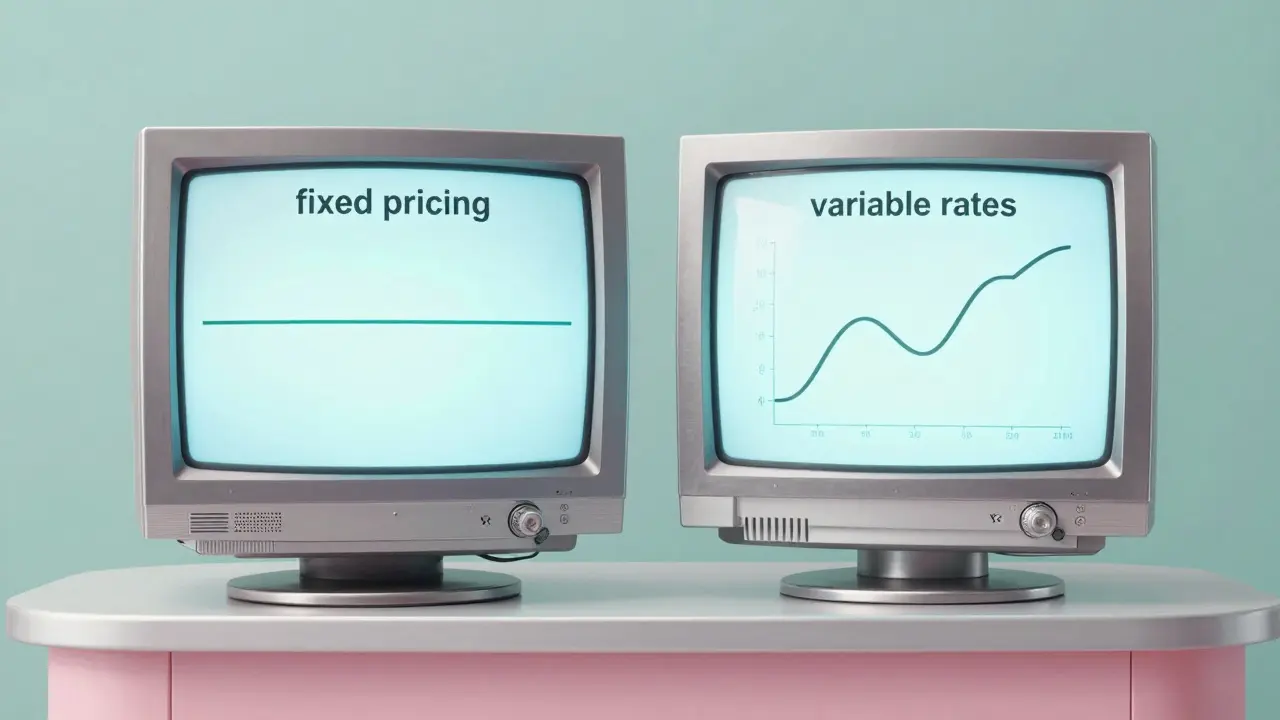
Two primary reimbursement models dominate how pharmacies get paid for generic drugs: Maximum Allowable Cost (MAC) and Average Wholesale Price (AWP). Let's compare how they work:
| Model | How It Works | Impact on Pharmacies | Impact on Patients |
|---|---|---|---|
| Maximum Allowable Cost (MAC) A reimbursement model that sets a cap on payments for generic drugs based on actual market costs | Pharmacies receive reimbursement up to a set maximum per unit. If a brand-name drug is dispensed instead of a generic, the pharmacy absorbs the difference between the brand's cost and the MAC price. | Pharmacies often operate at thin margins-just 1.4% profit on generic drugs in 2023. Independent pharmacies face higher risks of losing money when MAC prices drop faster than their acquisition costs. | Patients typically pay lower copays for generics under MAC programs. However, if a brand is prescribed without authorization, patients may face higher out-of-pocket costs. |
| Average Wholesale Price (AWP) A reimbursement model based on published drug price lists minus a percentage | Reimbursement is calculated as AWP minus a fixed percentage (e.g., AWP-10%). While historically used for brand drugs, it's less common for generics today. | AWP-based reimbursement can be unpredictable. Pharmacies may see higher payments when AWP increases, but also face risks if the actual cost doesn't match the published price. | AWP is rarely used for generics now, so its impact on patients is minimal. Most generic reimbursement uses MAC instead. |
Medicare Part D further complicates reimbursement with its tiered formulary system. Generic drugs usually fall into Tier 1 or 2, with the lowest copays. For example, a Tier 1 generic might have a $5 copay, while a Tier 2 generic could be $10. Plans often incentivize pharmacists to dispense generics by offering higher dispensing fees for these drugs. In fact, some Part D plans provide bonuses to pharmacies that achieve high generic substitution rates.
Pharmacy Benefit Managers (PBMs) act as intermediaries between insurers, pharmacies, and drug manufacturers. They negotiate drug prices and set reimbursement rates. PBMs often use MAC programs to control costs, but their role has drawn criticism. For example, PBMs collect "spread pricing"-the difference between what insurers pay and what pharmacies get paid-creating a lack of transparency. Before 2018, "gag clauses" prevented pharmacists from telling patients when a cash price was cheaper than insurance copays. These clauses were banned under federal law, but their legacy still affects how patients interact with pharmacies today.
Real-World Impact on Pharmacies and Patients
For pharmacies, the current reimbursement landscape is challenging. Independent pharmacies, which make up 40% of U.S. pharmacies, often operate on razor-thin margins. The National Community Pharmacists Association reported an average generic drug reimbursement margin of just 1.4% in 2023, down from 3.2% in 2018. This means for every $100 in generic drug sales, pharmacies earn less than $1.40 in profit. Many independent pharmacies rely on dispensing fees and other services to stay afloat.
Patients also face real consequences from reimbursement rules. A 2022 study found that Medicare beneficiaries without low-income subsidies paid up to $40 more for a generic drug than those with subsidies, depending on their plan's formulary. Some patients even pay more for a generic drug than a brand-name version due to high deductibles or unfavorable formulary placement. For example, a patient might pay $20 for a generic drug under their plan's structure, while the brand-name version costs $15-but only because the brand is in a lower tier due to prior authorization requirements.
State-level variations further complicate the picture. In Texas, for instance, state law requires PBMs to disclose MAC pricing changes to pharmacies 30 days before implementation. In contrast, California has stricter rules on PBM transparency and requires pharmacies to be informed of any changes to reimbursement rates before they take effect. These differences mean a pharmacy in one state might face stable reimbursement rates while a pharmacy in another state deals with sudden price drops.
Current Changes in Reimbursement Models
The Centers for Medicare & Medicaid Services (CMS) is testing a new model called the Medicare $2 Drug List. This voluntary program aims to standardize copays for approximately 100-150 low-cost generic drugs. Under this model, Part D plans would charge a flat $2 copay for these drugs-regardless of the plan's formulary structure. CMS says this could improve medication adherence and reduce out-of-pocket costs for seniors. The model uses specific criteria for inclusion, such as clinical importance, frequency of use among Medicare beneficiaries, and drug availability.
The Inflation Reduction Act of 2022 introduced major changes to Medicare Part D. Starting in 2025, beneficiaries will have a $2,000 annual out-of-pocket cap on drug costs. This will indirectly affect generic drug utilization since patients will be more likely to fill prescriptions once they hit the cap. Additionally, the law caps insulin costs at $35 per month for Medicare beneficiaries, which could lead to more insulin generics being used.
The Federal Trade Commission (FTC) has also stepped up enforcement against "pay-for-delay" agreements. These occur when brand-name drug makers pay generic manufacturers to delay entering the market. The FTC has challenged several such deals, arguing they harm competition and keep drug prices high. In one notable case, the FTC secured a $1.2 billion settlement from a major pharmaceutical company for illegal pay-for-delay practices.
Industry analysts predict continued pressure on generic reimbursement rates. The Institute for Clinical and Economic Review forecasts generic drug prices will fall 5-7% annually through 2027. This compression could further squeeze pharmacy margins unless reimbursement models adapt.
What This Means for You
As a patient, understanding how reimbursement models affect your costs can save money. Always ask your pharmacist if a cash price is cheaper than your insurance copay-especially for generics. Many pharmacies now offer discount programs for cash purchases. Check your plan's formulary tier for generic drugs; sometimes switching to a different generic version can lower your costs. If you're on Medicare, explore Extra Help programs if you qualify for low-income subsidies.
For pharmacists, staying informed about MAC pricing changes and state regulations is critical. Many pharmacies now use software tools to track reimbursement rates in real-time. Partnering with local healthcare providers to coordinate care can also help offset margin pressures. Independent pharmacies might consider joining pharmacy cooperatives to gain better negotiating power with PBMs.
The future of pharmacy reimbursement may include value-based payment models where payments are tied to patient outcomes rather than just drug costs. While this shift is still years away, it represents a potential path toward more sustainable reimbursement for generic drugs.
Why are generic drugs cheaper than brand-name drugs?
Generic drugs are cheaper because they don't require the same clinical trials as brand-name drugs. The Hatch-Waxman Act of 1984 created a pathway for generic manufacturers to prove bioequivalence without repeating expensive clinical trials. This allows them to sell at lower prices while maintaining safety and efficacy. On average, generics cost 80-85% less than brand-name drugs.
How do pharmacy benefit managers (PBMs) affect generic reimbursement?
PBMs act as intermediaries between insurers, pharmacies, and drug manufacturers. They set reimbursement rates for generic drugs through programs like MAC and negotiate rebates with manufacturers. PBMs often collect "spread pricing"-the difference between what insurers pay and what pharmacies receive-which has led to criticism over transparency. Before 2018, "gag clauses" prevented pharmacists from telling patients when cash prices were cheaper, but federal law now bans these clauses.
What is the Medicare $2 Drug List Model?
The Medicare $2 Drug List Model is a CMS initiative testing whether standardizing copays for low-cost generic drugs improves adherence and savings. Under this voluntary model, Part D plans would charge a flat $2 copay for approximately 100-150 generic drugs meeting criteria like clinical importance and frequency of use among Medicare beneficiaries. The goal is to simplify cost-sharing and reduce out-of-pocket expenses for seniors.
Why do some pharmacies lose money on generic drugs?
Pharmacies often lose money on generics due to tight reimbursement margins. The National Community Pharmacists Association reported an average generic drug reimbursement margin of just 1.4% in 2023. This means for every $100 in generic drug sales, pharmacies earn less than $1.40 in profit. MAC pricing programs, where reimbursement is capped below the pharmacy's actual cost, and PBMs' spread pricing contribute to these losses, especially for independent pharmacies.
How do state laws differ in regulating pharmacy reimbursement?
State laws vary widely. Forty-four states have enacted regulations targeting pharmacy reimbursement practices. For example, Texas requires PBMs to disclose MAC pricing changes 30 days in advance, while California mandates pharmacies be informed of reimbursement rate changes before they take effect. Some states limit how much PBMs can charge for dispensing fees, while others require transparency in rebate agreements. These differences create a patchwork of rules that pharmacies must navigate across state lines.
Albert Lua
February 7, 2026 AT 04:11Small pharmacies across rural America are on the brink because MAC pricing models don't cover their costs. Many are closing their doors, which leaves patients without access to essential medications. This isn't sustainable and needs immediate attention. I've seen firsthand how these reimbursement rates are crushing independent pharmacies. For example, my local pharmacy in [state] had to lay off staff because they couldn't afford to keep up with the costs. It's heartbreaking. We need better policies that actually reflect the real costs of running a pharmacy. Otherwise, we'll lose these vital community resources. It's not just about money-it's about access to healthcare for everyone.
Katharine Meiler
February 7, 2026 AT 22:08From a regulatory standpoint, the MAC pricing model fails to account for the actual cost of goods sold (COGS) for pharmacies. This creates a structural deficit in reimbursement, leading to unsustainable margins. The current system incentivizes pharmacy closures, which exacerbates access issues in underserved communities. We need a more nuanced approach that aligns reimbursement with operational costs. Otherwise, the system will continue to deteriorate.
Danielle Vila
February 9, 2026 AT 10:13Let me break this down for you because nobody else is telling the truth. The whole reimbursement system is a scam designed by Big Pharma and PBMs to keep us in the dark. They set MAC prices way below what pharmacies actually pay for the drugs, forcing them to lose money on every sale. Then they use that money to fund their lobbying efforts to keep the system the way it is. It's all about control and profit. The Hatch-Waxman Act? A fake law that's supposed to help generics but actually just gives big companies more power. They're using it to stifle competition. The government knows this but does nothing because they're in cahoots with the pharmaceutical industry. Every time you see a generic drug, it's not the 'cheap' option you think it is. It's a trap. The PBMs take a huge cut, and the pharmacies get stuck with the bill. They're making it impossible for small pharmacies to survive so they can take over the market. It's a slow-motion takeover of our healthcare system. The FDA is complicit in this because they approve these shady practices. They're hiding the real costs from patients and providers. This isn't about healthcare-it's about corporate greed. Wake up people! This is why we need to fight back against these corrupt systems. The data doesn't lie: pharmacies are losing money, patients are paying more, and the big players are getting richer. It's time to expose the truth before it's too late. We need transparency, fair reimbursement, and real reform. Otherwise, we'll lose our local pharmacies and be stuck with corporate-controlled healthcare. Think about it: every time you fill a prescription, you're supporting this broken system. It's time to wake up and take action.
Matthew Morales
February 11, 2026 AT 04:44Hey, good point about the COGS thing! But I think we need to look at the bigger picture. PBMs are the real issue here. They take too much of the spread. Like, seriously, how much are they charging? Maybe we can work together to fix this. 😅
Joyce cuypers
February 12, 2026 AT 08:37This is such an important issue. Pharmacies need fair reimbursement to keep serving their communities. Let's push for change together. 💪
Carol Woulfe
February 12, 2026 AT 21:48The current reimbursement framework is a deliberate mechanism to erode pharmacy independence. PBMs and pharmaceutical giants collude to maintain their stranglehold on the market. This is not merely an economic issue-it is a systemic assault on healthcare integrity. The 'Hatch-Waxman Act' was a Trojan horse for corporate control. We must recognize the underlying power dynamics at play.
Kieran Griffiths
February 14, 2026 AT 16:08While the systemic issues are concerning, there are actionable steps we can take. For instance, advocating for transparency in PBM pricing and supporting legislation that caps spread pricing. Collaboration between stakeholders is key to sustainable solutions.
Lisa Scott
February 15, 2026 AT 06:29MAC pricing is a scam.
Tehya Wilson
February 17, 2026 AT 01:12This is a well-known issue PBMs exploit pharmacies No further analysis required
Brendan Ferguson
February 18, 2026 AT 06:02I agree with the need for transparency. However, we should also consider the role of generic manufacturers in pricing. Maybe a multi-stakeholder approach would work better than just targeting PBMs.
jan civil
February 19, 2026 AT 10:53Generics save patients money every day.
Kate Gile
February 21, 2026 AT 02:36Absolutely! This is why it's crucial to support policies that keep generics affordable. Every dollar saved helps patients access their medications.