
Prior Authorization Requirements for Medications Explained: What You Need to Know

Imagine you’re prescribed a medication your doctor says you need. You get to the pharmacy, ready to pick it up-and they tell you it’s not covered. Not because it’s unsafe. Not because it doesn’t work. But because your insurance company hasn’t approved it yet. That’s prior authorization. It’s not a glitch. It’s not a mistake. It’s a standard part of how most health plans in the U.S. manage drug costs. And if you’ve ever been stuck waiting for a prescription, you know how frustrating it can be.
What Is Prior Authorization?
Prior authorization, sometimes called pre-authorization or pre-certification, is when your insurance company requires your doctor to get approval before they’ll pay for a specific medication. It’s not about whether the drug works-it’s about whether your plan considers it necessary, safe, and cost-effective under your coverage rules.
Think of it like a gatekeeper. The insurance company doesn’t automatically cover every drug on the market. Instead, they set rules: if a drug is expensive, has a cheaper generic version, or is used in ways not officially approved by the FDA, they want proof that it’s truly needed before paying for it.
This process is common across all major insurers-Medicare Part D, Blue Shield, Cigna, UnitedHealthcare-and applies to thousands of medications. According to the Academy of Managed Care Pharmacy, prior authorization helps ensure patients get the right treatment while keeping overall costs under control. It’s not meant to block care. It’s meant to steer care toward the most appropriate option.
Which Medications Usually Need Prior Authorization?
Not every prescription requires approval. But certain types of drugs almost always do:
- Brand-name drugs with generic alternatives - If a cheaper generic version exists, insurers often require you to try it first.
- High-cost medications - Drugs that cost over $500 a month, like certain cancer treatments or rare disease therapies, almost always need prior authorization.
- Drugs with strict usage rules - For example, a medication only approved for rheumatoid arthritis might be denied if you’re being treated for back pain.
- Drugs with safety risks - Medications that can cause liver damage, interact dangerously with other drugs, or have abuse potential (like certain painkillers or stimulants) are closely monitored.
- Off-label uses - If your doctor prescribes a drug for a condition it wasn’t officially approved for (like using a diabetes drug for weight loss), they’ll need to provide strong medical evidence.
Some plans even limit who can prescribe certain drugs. For example, chemotherapy agents may only be authorized if prescribed by an oncologist. This isn’t about control-it’s about safety. These drugs are complex, and specialists are trained to manage their risks.
How Does the Process Work?
The process starts with your doctor. They don’t just write a prescription and hand it to you. They have to check your plan’s formulary (the list of covered drugs) and see if prior authorization is needed. If it is, they fill out a request form with details about:
- Your diagnosis
- Why this drug is necessary
- What other treatments you’ve tried (and why they didn’t work)
- Any lab results or medical records supporting the need
Then, they submit it-usually electronically, sometimes by fax. The insurance company reviews it. They might consult a pharmacist or clinical reviewer to double-check the request. If everything looks good, they approve it. If not, they deny it.
Timing matters. Approval can take anywhere from 24 hours to two weeks. Urgent cases-like a life-threatening condition or a patient about to run out of medication-can be fast-tracked. But if your doctor doesn’t submit the request right away, you could be waiting days just to get started.
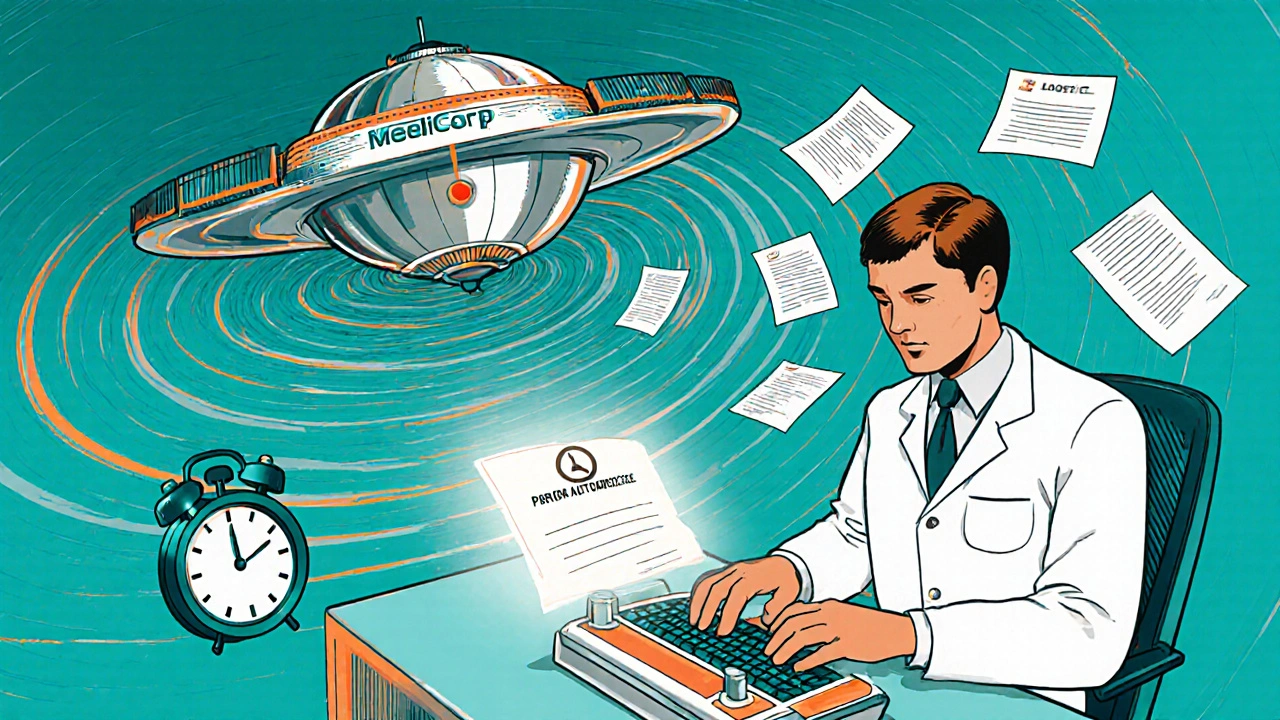
What Happens If It’s Denied?
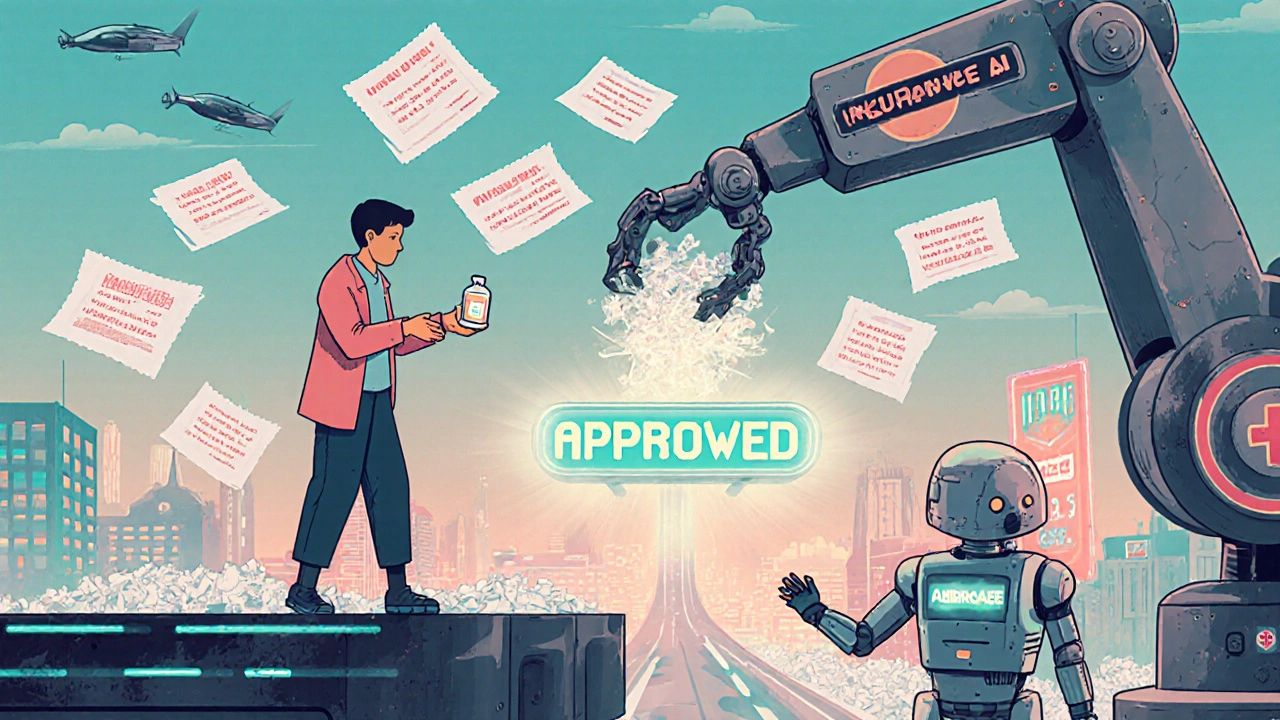
A denial doesn’t mean you can’t get the drug. It just means you need to fight for it.
Your doctor can file an appeal. That means they submit more information-maybe additional test results, peer-reviewed studies, or letters explaining why the drug is medically necessary. Some plans require a second-level appeal before you can take it further.
You also have the right to request an external review if your plan denies the appeal. Medicare and many state-regulated plans have this option built in. It’s not easy, but it’s your legal right.
And here’s something many patients don’t realize: you can pay out-of-pocket while waiting. Some pharmacies let you pay full price upfront, then reimburse you once the prior authorization is approved. It’s risky if you can’t afford it, but it’s an option.
How Can You Speed Things Up?
You’re not powerless in this process. Here’s what you can do:
- Ask your doctor upfront - Before they write the prescription, ask: “Does this need prior authorization?” If they say yes, ask them to submit it immediately.
- Check your plan’s formulary - Log in to your insurer’s website. Look for a tool like “Price Check My Rx” (Blue Shield calls it that). You can search your drug and see if it’s covered and if prior auth is needed.
- Call your insurer - Don’t wait for your doctor’s office. Call the number on your insurance card. Ask if your drug requires prior authorization and what the process is.
- Ask about alternatives - If your drug is denied, ask your doctor: “Is there another drug on the formulary that works just as well?” Sometimes switching to a covered drug saves weeks of waiting.
- Follow up - If your doctor says they submitted the request, call their office in 2-3 days to confirm it went through. Paperwork gets lost. Emails get missed.
Pro tip: If you’re on Medicare Part D, your plan must respond to prior authorization requests within 72 hours for standard cases and 24 hours for urgent ones. If they don’t, you can file a complaint.
Why Does This Exist?
Some people think prior authorization is just a way for insurance companies to deny care. But it’s more nuanced.
Insurers aren’t trying to be cruel. They’re trying to avoid wasting money on drugs that aren’t needed-or that can be replaced with cheaper, equally effective options. For example, instead of prescribing a $1,200 brand-name drug, they might require you to try a $30 generic first. That saves the plan money-and your out-of-pocket costs too.
It also prevents dangerous combinations. A drug might be fine on its own, but deadly if mixed with another medication you’re already taking. Prior authorization lets pharmacists and reviewers catch those risks before you start taking it.
Still, it’s not perfect. A 2023 study from the American Medical Association found that physicians spend an average of 13 hours per week just handling prior authorization paperwork. That’s time they could spend with patients. And delays can lead to people skipping doses, stopping treatment, or ending up in the ER because they couldn’t get their meds on time.
What You Can Do Next
If you’re starting a new medication, don’t assume it’s covered. Treat prior authorization like part of your treatment plan-not an afterthought.
Here’s your action list:
- Before your appointment, write down every medication you’re taking-including over-the-counter drugs and supplements.
- Ask your doctor: “Is this drug on my insurance’s formulary? Does it need prior authorization?”
- Call your insurer and verify coverage before you leave the office.
- Set a reminder to follow up in 3-5 days if you haven’t heard anything.
- Keep copies of all paperwork-requests, denials, appeals.
And if you’re overwhelmed? Ask for help. Many pharmacies have patient advocates. Nonprofits like the Patient Advocate Foundation offer free guidance. You don’t have to navigate this alone.
When Prior Authorization Doesn’t Apply
There are exceptions. If you’re having a medical emergency, your insurer must cover the medication right away-even if it normally requires prior authorization. That’s federal law.
Also, some plans offer “step therapy” instead of prior auth. That means you have to try one drug first, then another, before they’ll approve the one your doctor wants. It’s similar, but not the same. Know the difference.
And remember: prior authorization doesn’t apply to all medications. Most generic antibiotics, blood pressure pills, and common antidepressants are covered without any extra steps.
The key is knowing which ones do require it-and asking early.
Final Thoughts
Prior authorization isn’t going away. It’s built into the system. But it doesn’t have to be a nightmare.
When you’re informed, involved, and proactive, you can cut through the red tape. You can get your meds faster. You can avoid surprise denials. And you can make sure your health comes first-without letting paperwork hold you back.
Don’t wait until you’re at the pharmacy counter to find out your drug isn’t covered. Ask questions before the prescription is even written. Your body-and your wallet-will thank you.
Yash Hemrajani
November 29, 2025 AT 13:57So let me get this straight-we pay hundreds of dollars a month for insurance so we can watch a bureaucrat in a cubicle decide if my insulin is ‘cost-effective’? Brilliant. Next they’ll be auditing my breath to see if I’m breathing efficiently enough to qualify for oxygen.
Meanwhile, my doctor spends 13 hours a week filling out forms instead of, I dunno, healing people. Prior authorization isn’t a gatekeeper-it’s a goddamn obstacle course designed by people who’ve never been sick.
And don’t get me started on the ‘cheaper generic’ nonsense. Sometimes the generic gives me migraines and the brand name doesn’t. But hey, let’s save $20 and let my brain turn to mush. Prior auth: making healthcare feel like a damn game of Russian roulette with a prescription pad.
Pawittar Singh
December 1, 2025 AT 00:48Y’all are right to be frustrated-but don’t give up. I’ve been there. My mom got denied for her cancer med for 11 days. We called the insurer, got her doctor to submit a letter from the oncology team, and then filed an appeal with a copy of the NIH study backing the drug.
It worked. She got it on day 12.
You are NOT powerless. Insurance companies hate it when patients fight back. So fight. Call. Email. Text your rep. Send a damn letter. And if you’re scared? Find a patient advocate. They’re free. They’re real. And they’ll hold your hand through this mess.
❤️ You got this. One form at a time.
Josh Evans
December 2, 2025 AT 21:57Man, this is wild. I work in pharma and I still get tripped up by prior auth sometimes.
Biggest tip? If your doc says ‘it needs prior auth,’ ask them if they’ve got a template or shortcut form. Some clinics have pre-filled templates for common drugs. Saves like 3 days.
Also-always check your plan’s formulary BEFORE the appointment. I’ve had patients show up with scripts for drugs that were dropped from coverage 3 months ago. No one told them.
And yeah, it’s broken. But we’re all stuck in it. Just keep pushing. You’re not crazy for being mad.
Allison Reed
December 4, 2025 AT 21:13I want to thank the person who wrote this post. This is exactly the kind of clear, compassionate breakdown that needs to be shared. So many people feel alone in this process, like it’s their fault they’re being delayed.
It’s not your fault. It’s the system.
And if you’re reading this and you’re scared to ask your doctor questions? Please do. They’re trained to help you-not to scare you. Ask about alternatives. Ask about timelines. Ask if they’ve submitted the form.
You deserve your meds. You deserve to be heard. And you’re not alone.
One day, this system will change. Until then, keep showing up-for yourself, for your loved ones, for the next person who’ll read this and feel less afraid.
Jacob Keil
December 5, 2025 AT 18:23Rosy Wilkens
December 6, 2025 AT 10:36Let’s be honest-this entire system is a controlled demolition. The pharmaceutical industry pays insurers to create these barriers so they can jack up prices on the drugs they *do* want you to take. The generics? They’re cheap because they’re not in bed with the lobbyists. The brand names? They’re expensive because they bought the right to be ‘necessary.’
And don’t believe the ‘it’s for safety’ nonsense. If safety were the goal, they’d require every single drug to go through a 10-step review. But they don’t. They only do it for the expensive ones.
This isn’t healthcare. It’s a financial surveillance state disguised as insurance.
Andrea Jones
December 7, 2025 AT 02:07Okay but can we talk about how absurd it is that I had to wait 9 days for my thyroid med because the insurance said ‘try levothyroxine first’-even though I’ve been on the same brand for 12 years and it’s the only one that doesn’t make me feel like a zombie?
My doctor had to write a 3-page letter. I had to call the insurer twice. And they approved it… with a 30-day limit.
Meanwhile, my cat got his anti-anxiety meds without a single form. No prior auth. No drama. Just a vet and a prescription.
At this point, I’m just waiting for my dog to get a better healthcare plan than me.
Justina Maynard
December 7, 2025 AT 02:24I once had a friend who got denied for her migraine med because the insurer said ‘it’s not FDA-approved for migraines’-even though her neurologist had prescribed it off-label for 7 years and it was the only thing that worked.
She paid out of pocket for 3 months. $1,200 a month. She sold her laptop. Took a second job. And when the approval finally came, she cried in the pharmacy parking lot.
People think this is about ‘cost control.’ No. It’s about who gets to suffer quietly. And if you’re not rich, you’re not supposed to have relief.
So go ahead. Fight. File. Call. Write. Send a damn email with all caps. They hate it when you don’t disappear.
Evelyn Salazar Garcia
December 8, 2025 AT 07:48Clay Johnson
December 10, 2025 AT 03:35