
Triptan Medications for Migraines: Understanding Interactions and Limits
Triptan Safety & Suitability Checker
Medical History & Conditions
Current Medications
If you've ever felt a migraine coming on, you know the urgency. You need something that works fast, and for many, Triptans is a class of selective serotonin receptor agonists specifically designed to stop acute migraine attacks by constricting blood vessels and blocking pain signals. Commonly recognized by the "-triptan" suffix, these drugs have been the gold standard since the early 90s. But while they are incredibly effective for some, they aren't a one-size-fits-all solution. Between strict cardiovascular rules and the risk of mixing them with other meds, there are a few things you need to know to use them safely.
How Triptans Actually Work
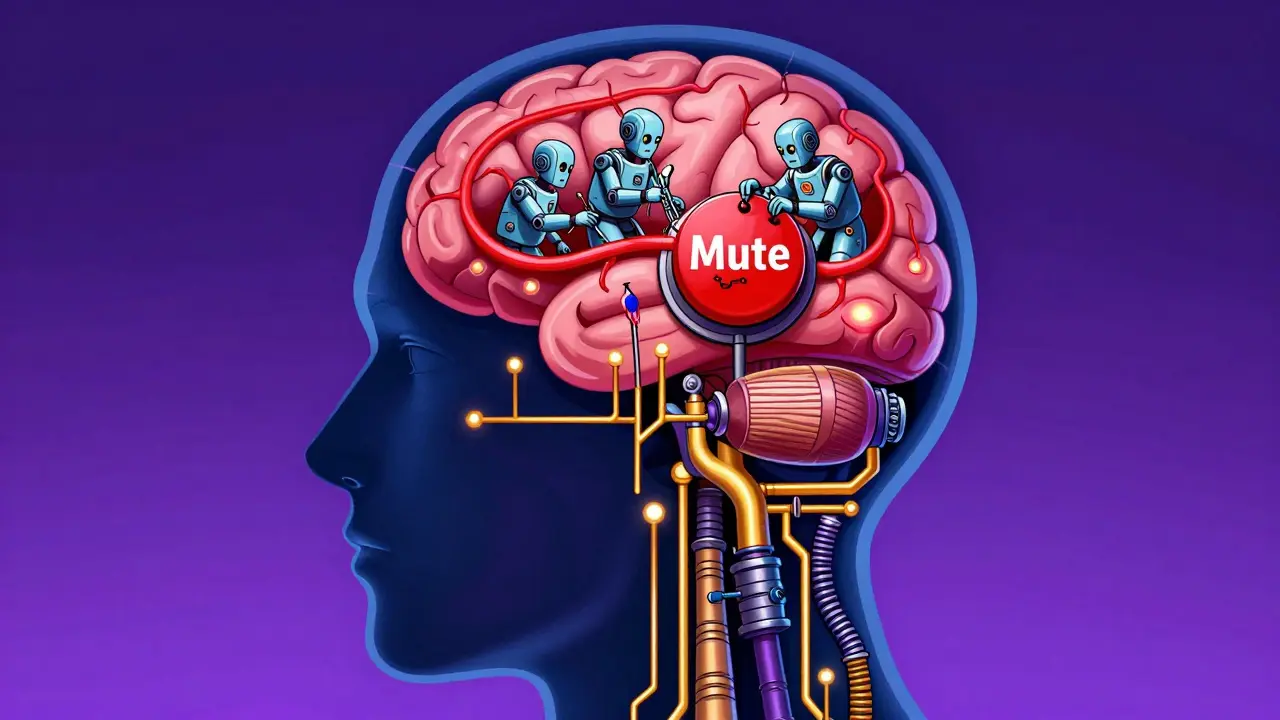
Triptans don't just mask the pain like a standard aspirin; they target the biological machinery of a migraine. When a migraine hits, your cranial blood vessels dilate, and your nerves release a flood of inflammatory proteins. Triptans step in to fix this in two ways. First, they stimulate 5-HT1B receptors to shrink those dilated blood vessels. Second, they activate 5-HT1D receptors, which act like a mute button for the trigeminal nerve, stopping the release of peptides like CGRP (calcitonin gene-related peptide) that keep the pain signals firing.
Because different triptans have different strengths and "staying power," your doctor might pick one over another based on your specific symptoms. For example, some work quickly but wear off fast, while others linger in your system longer to prevent the headache from coming back the next day.
| Medication | Common Brand | Half-Life (Duration) | Key Characteristic |
|---|---|---|---|
| Sumatriptan | Imitrex | 2 hours | The original; high efficacy but shorter duration. |
| Rizatriptan | Maxalt | 2-2.5 hours | Faster onset; often available as a dissolving tablet. |
| Zolmitriptan | Zomig | 2.5-3 hours | Balanced speed and duration. |
| Naratriptan | Amerge | 6 hours | Slower onset but lasts much longer. |
| Frovatriptan | Frova | 26 hours | The longest lasting; best for prolonged migraines. |
Critical Drug Interactions to Watch
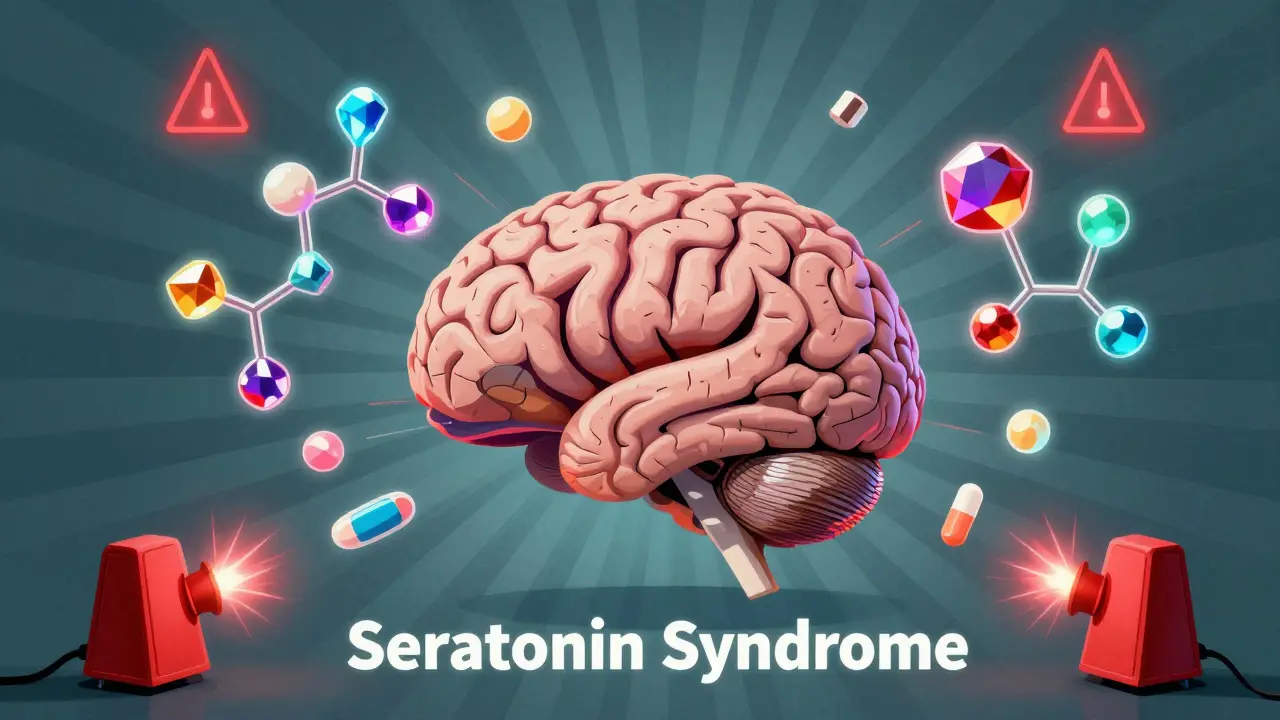
The biggest concern with triptans involves how they interact with other medications that affect serotonin. Because triptans mimic serotonin, combining them with certain antidepressants can lead to a dangerous state called Serotonin Syndrome, where your brain has too much serotonin. This is most common when triptans are taken alongside SSRIs (Selective Serotonin Reuptake Inhibitors) or SNRIs (Serotonin-Norepinephrine Reuptake Inhibitors). While these cases are rare, the signs-like agitation, rapid heart rate, and muscle rigidity-require immediate medical attention.
Another important interaction is with ergotamines. You should never take a triptan within 24 hours of using an ergotamine-containing medication. Doing so can cause excessive vasoconstriction, meaning your blood vessels shrink too much, which can lead to severe cardiovascular issues.
Who Should Avoid Triptans?
Triptans are powerful, and that power comes with a specific set of restrictions. Because they shrink blood vessels, they are strictly contraindicated for anyone with a history of "plumbing" issues in the heart or brain. If you have ischemic heart disease, a history of heart attack, or a history of stroke, triptans are generally off the table. The risk is that the medication could cause a spasm in a coronary artery or restrict blood flow to the brain.
Other red flags include uncontrolled high blood pressure (hypertension) and severe liver impairment. If your blood pressure is consistently high, the added vasoconstriction from a triptan can push your levels into a dangerous zone. This is why a thorough cardiovascular screening is a non-negotiable step before getting your first prescription.
The "Timing Trap" and Other Limitations
One of the most common frustrations users have is that the drug "didn't work." Often, this is a timing issue. For people who experience an aura (visual disturbances or tingling) before the pain, there is a temptation to take the pill immediately. However, evidence suggests that taking triptans during the aura phase is less effective and can even worsen neurological symptoms. The sweet spot is the onset of the actual pain. Waiting until the headache starts ensures the blood vessels are dilated enough for the drug to effectively counteract them.
Another surprising limitation is skin sensitivity, known as cutaneous allodynia. If you find that your skin feels painful to the touch during a migraine (like a light breeze or a shirt collar feeling irritating), triptans are significantly less likely to work. Effectiveness drops from around 70-80% in people without this sensitivity to just 30-40% for those who have it.

Managing Side Effects and Overuse
Triptans aren't without their quirks. Some people experience "triptan sensations," which feel like a tight band around the chest or throat. While usually harmless, it can be alarming the first time it happens. Other common issues include dizziness and fatigue, which can make it hard to get back to work even after the pain is gone.
The most dangerous limitation, however, is the risk of Medication Overuse Headache (MOH). It sounds paradoxical, but taking these meds too often can actually cause more headaches. To avoid this, the general rule is to limit triptan use to no more than two doses per day, and no more than 9 or 10 days per month. If you find yourself reaching for them more often, it's time to talk to your doctor about preventative therapy rather than just treating the acute attacks.
What to Do When Triptans Fail
If you've tried one triptan and it didn't work, don't give up on the whole class immediately. About 30-40% of people who don't respond to one specific triptan will actually respond well to a different one. This is because each drug has a slightly different molecular shape and stays in the body for different lengths of time.
If you've exhausted the triptan options or have heart issues that prevent you from using them, there are newer alternatives. Gepants (CGRP receptor antagonists) and Ditans (like lasmiditan) provide relief without the vasoconstriction, making them safe for those with cardiovascular risks. Additionally, combining a triptan with an NSAID (like naproxen) has been shown to be more effective than using either drug alone, providing a double-pronged attack on the migraine pain.
Can I take Triptans if I'm on an SSRI antidepressant?
Yes, many people do, but it requires caution. While the risk of Serotonin Syndrome is statistically low, you should be aware of symptoms like extreme confusion, muscle rigidity, or high fever. Always inform your doctor about all your medications before starting a triptan.
Why did my triptan not work this time?
There are several reasons. You might have taken it too late in the attack (after the peak of pain), or you might be experiencing cutaneous allodynia (skin sensitivity), which reduces the drug's effectiveness. It's also possible that this specific triptan isn't the right match for your body's chemistry.
Is it safe to take Triptans every day?
No. Taking triptans too frequently can lead to medication overuse headaches, where the drugs themselves trigger more frequent attacks. Limit use to a few days a month; if you need daily relief, you likely need a preventative medication instead.
What is the "Triptan Sensation" in the chest?
Some users feel tightness or pressure in the chest or throat shortly after taking the medication. This is usually a benign side effect of the drug's vasoconstrictive properties, but you should discuss it with your doctor to rule out any heart-related issues.
Should I take my medication during the aura phase?
Generally, no. For most people, triptans are most effective when taken at the start of the actual headache pain. Taking them during the aura can sometimes be less effective or even worsen certain neurological symptoms.