
Why Generics Get Stuck: Understanding FDA Tentative Approval Delays
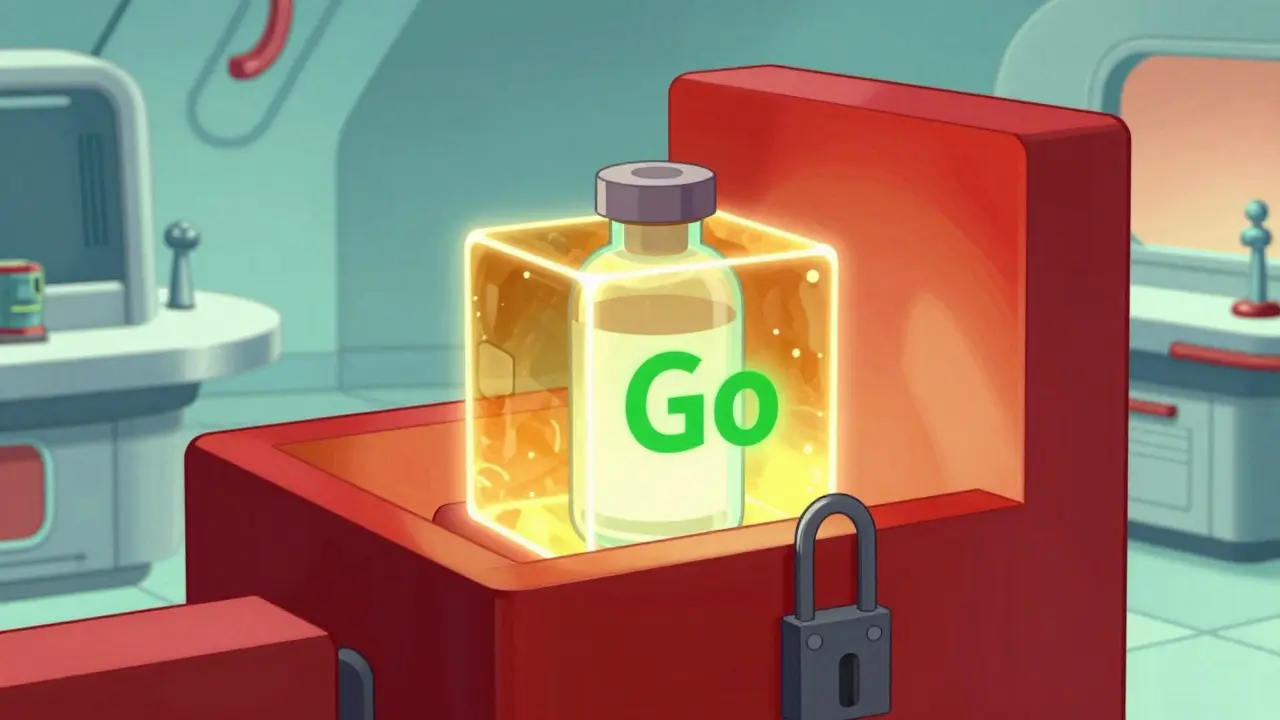
Imagine spending years and millions of dollars developing a generic version of a life-saving drug, only to be told you've passed every scientific test but still can't sell a single pill. That's the reality of tentative approval for generics is a regulatory status where the FDA confirms a drug meets all safety and quality standards, but legal or regulatory barriers prevent it from hitting the market. It's essentially a "green light" that is currently stuck at a red light.
For patients, this is frustrating because it means cheaper medicine is sitting on a shelf in a warehouse instead of in their medicine cabinet. For manufacturers, it's a high-stakes waiting game. But why does this happen? While the science might be settled, the legal and procedural hurdles are often where the real battle begins.
The Quick Rundown on Tentative Approval
Before we dig into the delays, let's clarify what's actually happening. Under the Hatch-Waxman Act, generic companies file an Abbreviated New Drug Application (or ANDA) to prove their version is bioequivalent to the brand-name drug. If the FDA agrees the drug is safe and effective, but there's still a valid patent or exclusivity period, they grant tentative approval. This allows the company to be ready to launch the moment the legal barriers vanish.
| Feature | Tentative Approval | Final Approval |
|---|---|---|
| Scientific/Quality Review | Completed & Passed | Completed & Passed |
| Market Access | Blocked (Legal/Regulatory) | Immediate Entry Allowed |
| Primary Barrier | Patents or Exclusivity | None |
| Manufacturer Status | "On Deck" / Ready | Active Seller |
The Patent War: The Biggest Hurdle
The most common reason a drug stays in "tentative" limbo is patent litigation. Brand-name companies don't always go quietly. When a generic company claims a patent is invalid or not infringed (a Paragraph IV certification), the brand manufacturer often sues. This triggers a 30-month statutory stay, which legally freezes the FDA from granting final approval, regardless of the drug's quality.
But lawsuits aren't the only tactic. Some brands use "citizen petitions" to slow things down. These are formal requests to the FDA to reconsider a policy or a specific drug's requirements. While they sound like public service, research shows that 72% of these petitions filed by brand names are based on scientifically unsupported arguments designed solely to block competition. In some cases, these petitions can push back a generic launch by over seven months.
Then there's "product hopping." This is where a brand company slightly changes a formula-maybe changing a tablet to a capsule-and files a new patent just as the old one expires. This forces generic makers to start their applications over or fight a new legal battle, effectively extending the brand's monopoly.
Procedural Pitfalls and Review Cycles
Even without legal battles, the FDA's own review process can be a slog. Most ANDAs don't get approved on the first try. Historically, applications have gone through nearly four review cycles before getting the nod. If the FDA finds a gap in the data, they issue a Complete Response Letter (CRL), and the clock resets.
What's causing these gaps? Often, it's the Chemistry, Manufacturing, and Controls (CMC) section. About 35% of deficiencies fall here, involving how the drug is made and stabilized. Other common trip-ups include inadequate bioequivalence protocols or missing stability data. For complex drugs, like those delivered via inhalers or creams, the process is even slower; these often require significantly more review cycles than a standard pill.
Manufacturing facilities are another weak point. If the FDA inspects a plant and finds poor quality control or failing equipment, the whole application stalls. In 2022, facility issues were responsible for 41% of all CRLs. It doesn't matter if the drug formula is perfect if the factory where it's made isn't up to code.
The "Hidden" Market Delays
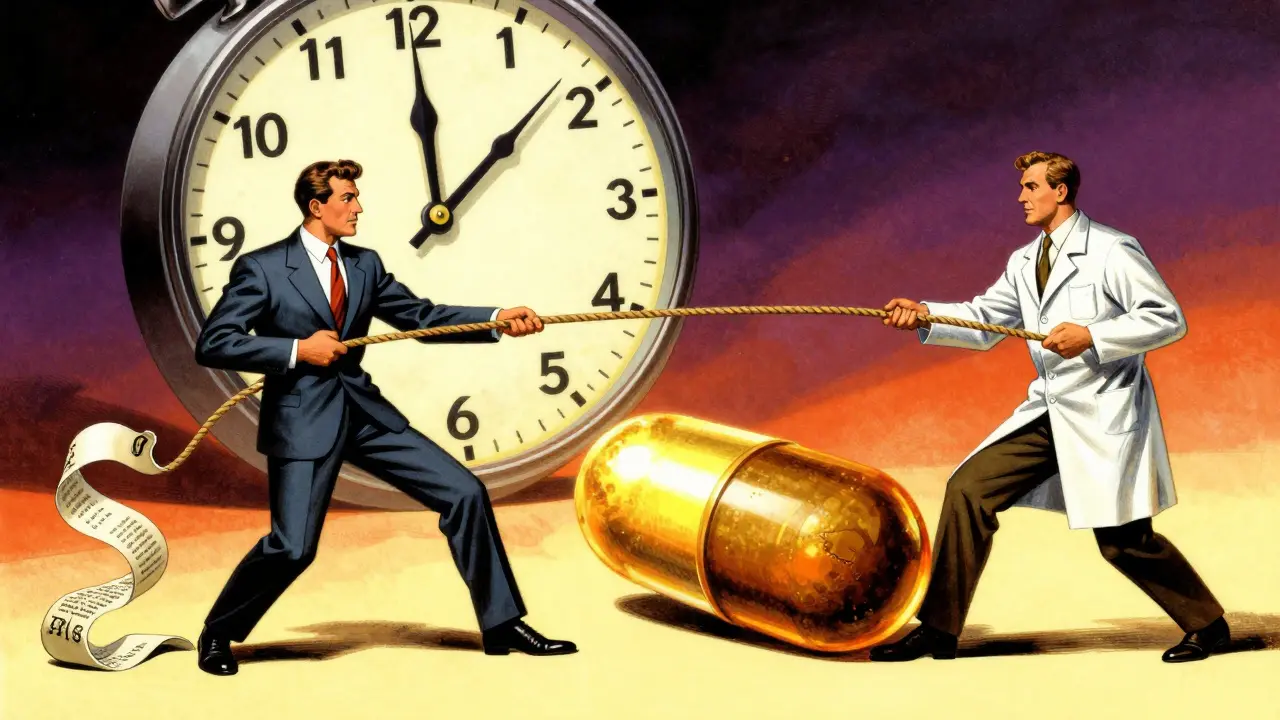
You might assume that as soon as a patent expires, a tentatively approved drug hits the pharmacy shelves. Not always. Sometimes the delay is a business decision. If a drug has low annual sales-say, under $50 million-nearly half of tentatively approved generics never actually launch. The cost of scaling up production and distributing the drug simply isn't worth the potential profit.
There's also the challenge of manufacturing scale-up. For complex generics, 62% of companies experience launch delays of over a year after the patent expires because moving from a lab setting to mass production is harder than it looks. Additionally, if only one generic competitor is in the market, prices stay high, and other companies might hold off on launching to avoid a price war that eats their margins.
How the FDA is Trying to Fix the Lag
The FDA isn't just watching this happen. Through the Generic Drug User Fee Amendments (GDUFA) program, they've set goals to reduce review cycles and speed up the process. One of the most effective tools is the Competitive Generic Therapy (CGT) pathway. This gives priority review to drugs that desperately need competition. Products in this pathway have seen tentative approvals in as little as 8 months, compared to the standard 18-month wait.
The agency also launched a Tentative Approval Initiative to target high-priority drugs that have no generic version. By expediting these reviews, they've managed to move a significant number of drugs from tentative to final approval within a year, though the overall median time from tentative approval to launch still hovers around 16 to 18 months.
Does tentative approval mean the drug is safe?
Yes. Tentative approval is only granted after the FDA has fully reviewed the application for safety, efficacy, and quality. The only reason it isn't a "final" approval is due to legal issues, like patents or regulatory exclusivity, not because of the drug's quality.
How long does the "statutory stay" last?
The statutory stay usually lasts 30 months. This is the period granted to the brand-name manufacturer to litigate a patent infringement claim after a generic company files a Paragraph IV certification.
What is a citizen petition in the context of generics?
A citizen petition is a formal request to the FDA to change a regulation or review a specific drug's requirements. While intended for public input, brand-name companies often use them to argue that generic bioequivalence tests are insufficient, effectively delaying the entry of competitors.
Why do some tentatively approved drugs never launch?
Economics is the main driver. If the market for the drug is too small, or if the cost of manufacturing and distribution exceeds the expected profit, companies may decide it's not financially viable to launch, even with FDA approval.
What is product hopping?
Product hopping occurs when a brand company introduces a slightly modified version of a drug (e.g., changing the release mechanism or dosage form) and switches patients to the new version just before the original patent expires, effectively extending their market exclusivity.
What to Do When Things Stall
If you're a manufacturer facing a CRL or a patent block, the path forward requires a two-pronged approach: precision in data and strategic legal planning.
- Audit your CMC sections: Before submitting, double-check your stability data and container closure system info. These are the most common trigger points for review cycle resets.
- Prioritize CGT designation: If your drug lacks sufficient competition, apply for the Competitive Generic Therapy pathway to cut your review time in half.
- Prepare for the 30-month stay: Don't assume a win in court means an immediate launch. Use that time to optimize your manufacturing scale-up so you can hit the market the day the stay ends.
- Respond quickly: The average response time to an FDA deficiency letter is over 9 months, but the recommended window is 6. Faster responses prevent your application from falling to the bottom of the pile.