
Acid Reflux: Causes, Triggers, and How Medications Help
When stomach acid flows back into your esophagus, you’re experiencing acid reflux, a condition where stomach contents rise into the throat, causing burning, regurgitation, and sometimes chronic damage. Also known as gastroesophageal reflux disease (GERD) when it happens often, it’s not just discomfort—it’s a signal your body’s natural barriers are failing. Millions deal with it daily, and while lifestyle changes help, most turn to medication to get relief. But not all treatments are the same, and knowing the difference between an antacid, an H2 blocker, and a proton pump inhibitor can make or break your comfort.
Proton pump inhibitors, a class of drugs that shut down acid production at the source are the go-to for long-term control. Drugs like omeprazole or esomeprazole work by blocking the tiny pumps in your stomach lining that make acid. They’re powerful—but not without risks if used too long. Then there are H2 blockers, medications that reduce acid by targeting histamine receptors, like famotidine. They kick in faster than PPIs but don’t last as long. And for quick, temporary relief? Antacids, over-the-counter chewables or liquids that neutralize acid on contact, like Tums or Rolaids, give fast but short-lived comfort. Each has its place, and mixing them without understanding how they work can lead to overuse or missed root causes.
What’s behind your acid reflux? It could be your diet—spicy food, coffee, chocolate, or alcohol. Maybe it’s your weight, your posture after meals, or even a hiatal hernia. Some medications, like certain blood pressure pills or NSAIDs, can make it worse. And here’s the thing: treating the symptom with meds doesn’t fix the problem if the trigger stays. That’s why knowing what’s causing your reflux matters just as much as what you take to stop it.
You’ll find posts here that dig into how these drugs really work, what side effects you might not know about, and how to avoid the traps of long-term use. Some cover how generic versions compare to brand names, others warn about dangerous interactions with supplements like garlic or alcohol. There’s even info on what to do if you miss a dose or switch pharmacies while managing this condition. This isn’t just a list of pills—it’s a practical guide to understanding your body’s signals and making smarter choices with your meds.
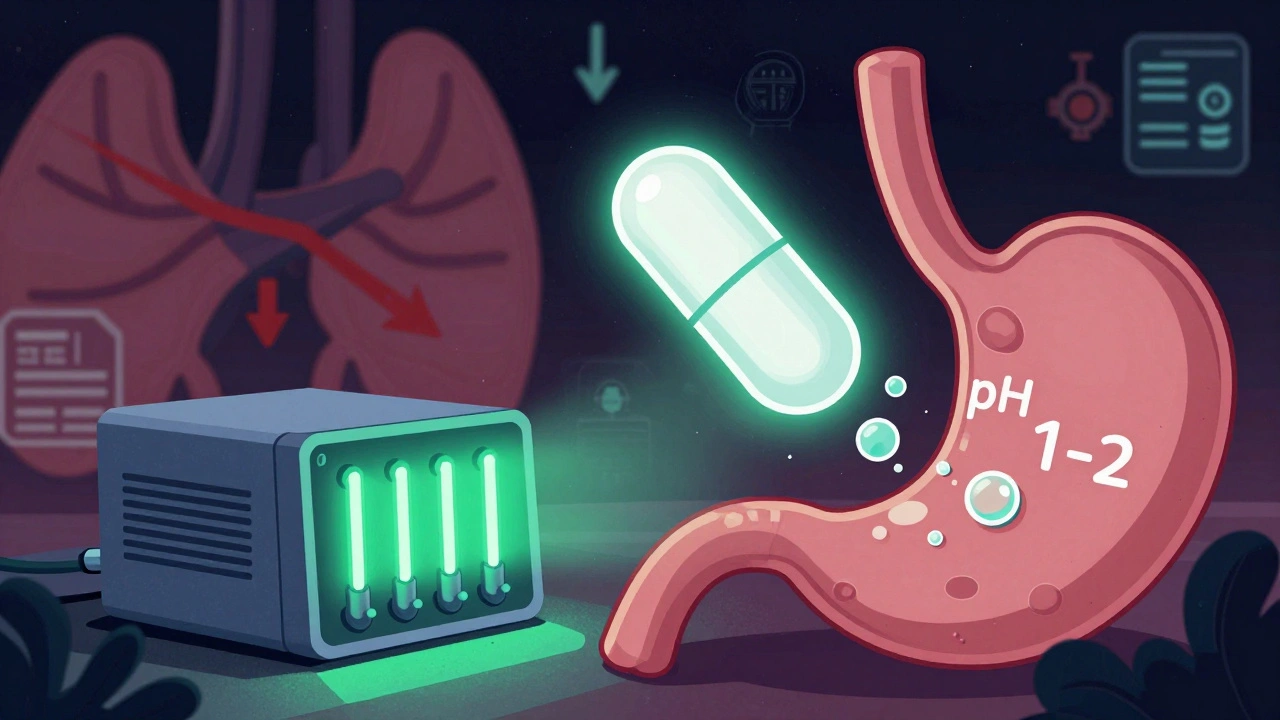
Levothyroxine and Proton Pump Inhibitors: What You Need to Know About Absorption Interactions
Levothyroxine and proton pump inhibitors (PPIs) can interfere with each other, reducing thyroid hormone absorption. Learn how this interaction works, who’s at risk, and what to do if you're taking both.