
Authorized Generics: What They Are and Why They Matter for Your Prescription Costs
When you hear authorized generics, brand-name medications sold under a generic label by the same company that makes the original. Also known as brand generics, these are exact copies of brand-name drugs—same active ingredient, same shape, same strength, same manufacturer—but sold at a fraction of the price. Unlike regular generics made by other companies, authorized generics come straight from the original drug maker. That means no guesswork about quality, no delays in getting the same effect, and no hidden differences in how your body reacts.
Why does this matter? Because most people think all generics are the same. They’re not. A regular generic might be made by a company that reverse-engineered the drug. An authorized generic, a version produced by the original brand manufacturer under a different label is the exact same pill, just cheaper. It’s like buying the same coffee beans in a plain bag instead of the branded box. The coffee doesn’t change—only the price. And that’s where the real savings kick in. Some authorized generics cost up to 80% less than the brand-name version, even before insurance.
These drugs are often released right after the brand’s patent expires. The brand company itself creates the generic version to stay competitive—keeping customers who want the same drug but can’t afford the high price. This isn’t a loophole. It’s a legal, FDA-approved way to bring down costs. And because it’s the same factory, same batch process, same quality control, you get zero risk of switching side effects or effectiveness. That’s why pharmacists and doctors often recommend them for chronic conditions like high blood pressure, diabetes, or depression—where consistency matters.
But here’s the catch: most patients never see them. Pharmacies don’t always stock them because they don’t always get paid more for dispensing them. Insurance plans often default to the cheapest generic, even if it’s not the authorized one. You have to ask. Say: "Is there an authorized generic for this?" If your doctor writes the prescription for the brand name, you can still get the generic version—just ask the pharmacist to check if the manufacturer offers one.
Authorized generics are especially useful if you’ve had issues with regular generics in the past—maybe your blood pressure didn’t stabilize, or your anxiety flared up. That’s not always the generic’s fault. Sometimes, it’s the filler ingredients or how the pill breaks down in your body. With an authorized generic, you eliminate that variable entirely. It’s the same drug, same way, same results.
And it’s not just about price. It’s about trust. If you’ve been on a brand-name drug for years and your doctor says it works for you, switching to a random generic can feel risky. An authorized generic removes that fear. You’re not trading quality for cost—you’re keeping the same medicine, just paying less.
Below, you’ll find real stories and practical guides on how to find these drugs, how to talk to your pharmacist about them, and why some insurance plans make it harder than it should be. You’ll also see how they fit into bigger issues like drug pricing wars, pharmacy automation, and patient safety. This isn’t theory. It’s about what’s in your pill bottle—and how to make sure you’re not overpaying for something that should cost less.
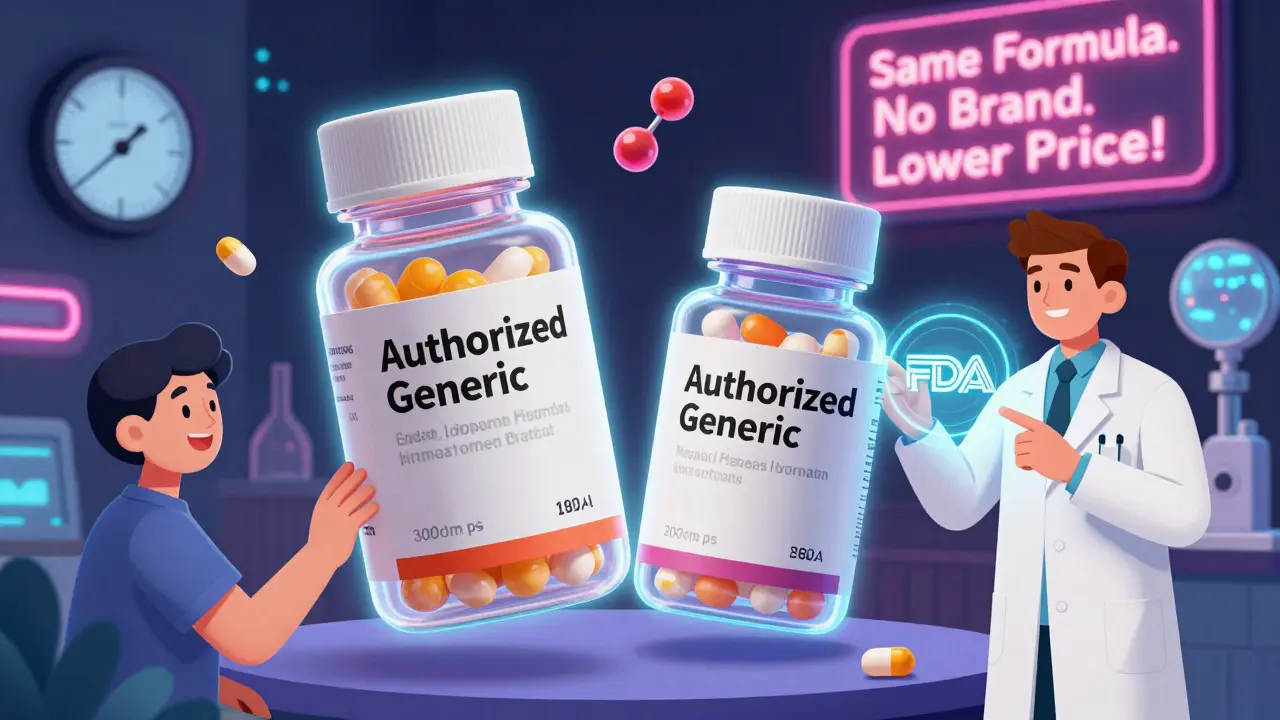
Authorized Generics List: Which Drugs Offer This Option
Authorized generics are exact copies of brand-name drugs with no brand label. They offer the same ingredients, same effectiveness, and often lower prices. Learn which common medications have authorized versions and why they matter for your health.
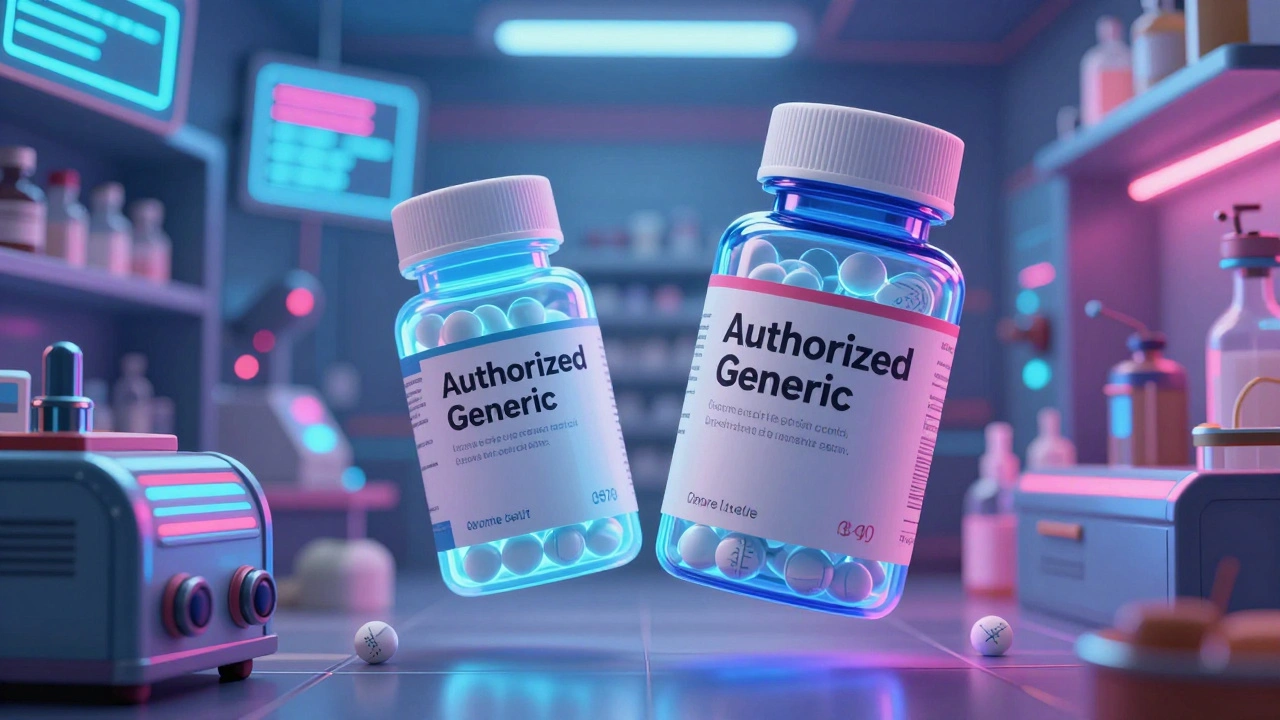
Authorized Generics vs Traditional Generics: What You Need to Know
Authorized generics are identical to brand-name drugs but sold without the brand label. Traditional generics may have different inactive ingredients. Learn how they differ, when it matters, and how to know which one you're getting.