
Garlic Supplements: What They Really Do and How They Interact with Medications
When you take a garlic supplement, a concentrated form of garlic used for its potential health benefits, often sold as capsules or tablets. Also known as aged garlic extract, it's not just a kitchen ingredient—it's a powerful bioactive compound that affects your body in ways most people don't realize. Unlike eating a clove of garlic, supplements deliver a fixed dose of allicin and other sulfur compounds, which can lower blood pressure, reduce cholesterol, and boost immune response. But here’s the catch: they don’t play nice with every medication you’re on.
Take blood pressure meds, drugs like nifedipine or lisinopril used to manage hypertension. Garlic supplements can amplify their effect, dropping your pressure too low and leaving you dizzy or faint. That’s not a theory—it’s a documented risk. Same goes for blood thinners, medications like warfarin that prevent clots. Garlic naturally thins your blood. Stack it with Coumadin or Eliquis, and you’re increasing your risk of bleeding, even from a minor cut. And if you’re on HIV medications, such as nevirapine or indinavir, which require precise dosing to suppress the virus, garlic can interfere with how your liver breaks them down, making the drugs less effective. This isn’t scare tactics. It’s pharmacology.
People think "natural" means safe, but that’s a dangerous myth. Herbal supplements like garlic aren’t regulated like pharmaceuticals. What’s in your bottle might not match the label. Some brands pack in more allicin than others. Some are contaminated. And no one checks if you’re taking them with your prescription. That’s why lab monitoring calendars and drug safety databases like DailyMed exist—to help you connect the dots before something goes wrong.
So if you’re thinking about starting garlic supplements, ask yourself: why? Are you trying to lower your cholesterol? Fight off colds? Or just following a trend? The real question isn’t whether they work—it’s whether they’re safe for you. The posts below cover exactly that: how garlic interacts with common drugs, what the science actually says about its benefits, and how to spot dangerous combinations before they hurt you.
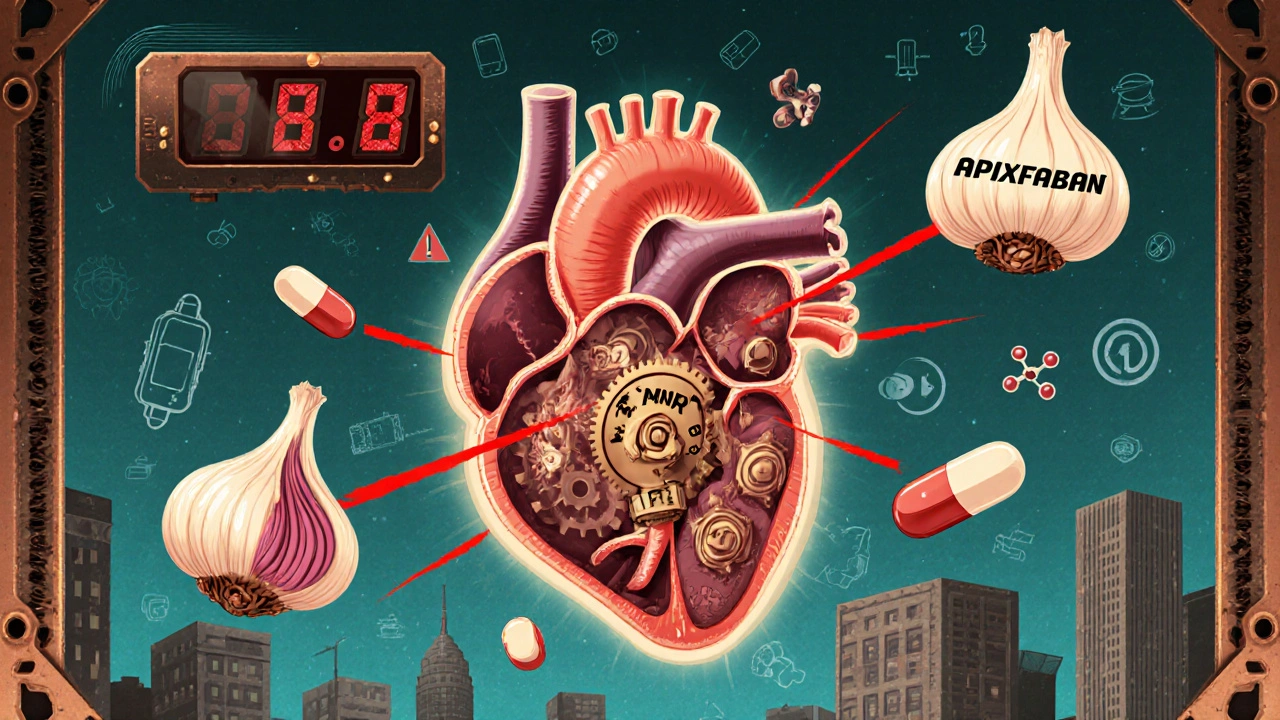
Garlic Supplements and Anticoagulants: What You Need to Know About Bleeding Risk
Garlic supplements can dangerously increase bleeding risk when taken with blood thinners like warfarin or apixaban. Learn why, who's at risk, and what to do to stay safe.