
Levothyroxine: What It Is, How It Works, and What You Need to Know
When your thyroid doesn’t make enough hormone, levothyroxine, a synthetic version of the thyroid hormone thyroxine (T4) used to replace what your body can’t produce. Also known as synthroid, it’s the go-to treatment for hypothyroidism, a condition where the thyroid gland fails to produce enough hormones to keep your metabolism running properly. Millions take it daily—often for life—to feel normal again, but not everyone understands how it really works or why small changes can make a big difference.
Levothyroxine isn’t just a pill you swallow and forget. It’s a precision tool. Your body converts it into triiodothyronine (T3), the active hormone that powers everything from your heart rate to your body temperature. Take too little, and you’ll still feel tired, cold, and sluggish. Take too much, and you risk heart palpitations, bone loss, or even atrial fibrillation. That’s why blood tests like TSH and free T4 are non-negotiable. And here’s the catch: not all generic versions are the same. While the FDA says they’re equivalent, real-world reports show some patients feel worse when switching brands—especially from brand-name Synthroid to a cheaper generic. Pharmacists can substitute, but if you notice changes in energy, weight, or mood, speak up. Your dose might be fine, but the formulation isn’t.
Levothyroxine plays well with almost nothing. Coffee, calcium, iron, and even soy can block its absorption if taken too close together. Take it on an empty stomach, at least 30 to 60 minutes before breakfast. Don’t crush it or mix it with food unless your doctor says so. And don’t assume it’s safe just because it’s old and common—drug interactions are real. If you’re on blood thinners like warfarin, antidepressants, or cholesterol meds, your doctor needs to know. Levothyroxine can change how those drugs work. It’s also one of the few medications where timing and consistency matter more than the dose itself. Take it at the same time every day, even on weekends. Skip a dose? Don’t double up. Just take the next one as scheduled.
People often think levothyroxine is simple. It’s not. It’s a lifelong balancing act that requires attention, patience, and communication. That’s why the posts below cover everything from how to spot when your dose is off, to why some pharmacies give you different generics without warning, to how to safely switch brands without crashing your system. You’ll find real advice on managing side effects, avoiding dangerous interactions with supplements like garlic or iron, and what to do when your symptoms don’t match your lab results. This isn’t just about taking a pill. It’s about understanding how your body responds to it—and how to take control.
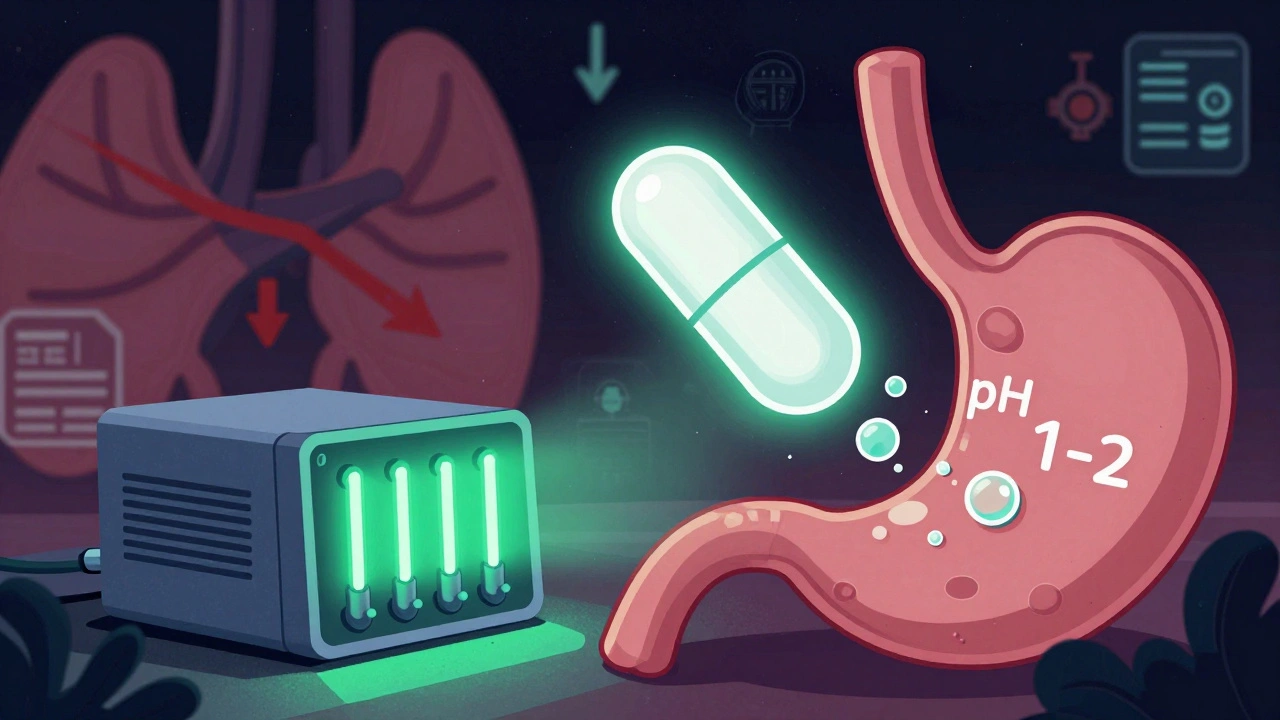
Levothyroxine and Proton Pump Inhibitors: What You Need to Know About Absorption Interactions
Levothyroxine and proton pump inhibitors (PPIs) can interfere with each other, reducing thyroid hormone absorption. Learn how this interaction works, who’s at risk, and what to do if you're taking both.