
Medication Adherence: Why Sticking to Your Prescriptions Saves Lives
When you’re told to take a medication every day, medication adherence, the practice of taking drugs exactly as prescribed, including timing, dosage, and duration. Also known as pill compliance, it’s not just a chore—it’s the foundation of effective treatment. Whether you’re managing high blood pressure, diabetes, HIV, or even occasional infections, skipping doses or stopping early doesn’t just reduce results—it can make things worse. Studies show that nearly half of people with chronic conditions don’t take their meds as directed, and that’s not because they’re careless—it’s because the system isn’t designed for real life.
Drug nonadherence, the failure to follow prescribed medication regimens isn’t just about forgetting. It’s about side effects that feel worse than the disease, confusing dosing schedules, cost barriers, or simply not feeling sick enough to justify the habit. Take metronidazole: if you stop early because the nausea fades, you risk not killing the infection—and creating resistant bacteria. Or with HIV drugs like nevirapine or atazanavir: missing even one dose can let the virus mutate and become untreatable. Meanwhile, treatment effectiveness, how well a drug works when taken correctly plummets without consistent use. Lab monitoring calendars, like those used for lithium or warfarin, exist because small lapses lead to big consequences—sometimes permanent nerve damage, dangerous drug interactions, or hospitalization.
What helps? It’s not more reminders. It’s simpler systems: pill organizers, linking doses to daily habits like brushing teeth, asking your pharmacist to simplify regimens, or using apps that track what you actually took—not just what you planned to. The posts below show you how real people manage this. You’ll find guides on spotting fake meds that make you doubt your pills, how to read side effect labels so you know what’s normal, why some drugs like nifedipine are safer for asthma patients, and how to avoid dangerous interactions with things like alcohol or food. You’ll see how insulin glargine users plan their weeks, how parents handle kids’ antihistamines without overdosing, and how people on long-term HIV therapy stay healthy for decades. This isn’t theory. It’s what works when your life depends on it.

How to Improve Adherence for Inhalers, Patches, and Injectables
Learn practical, evidence-backed ways to improve adherence for inhalers, patches, and injectables-covering tech tools, technique fixes, and human-centered strategies that actually work.
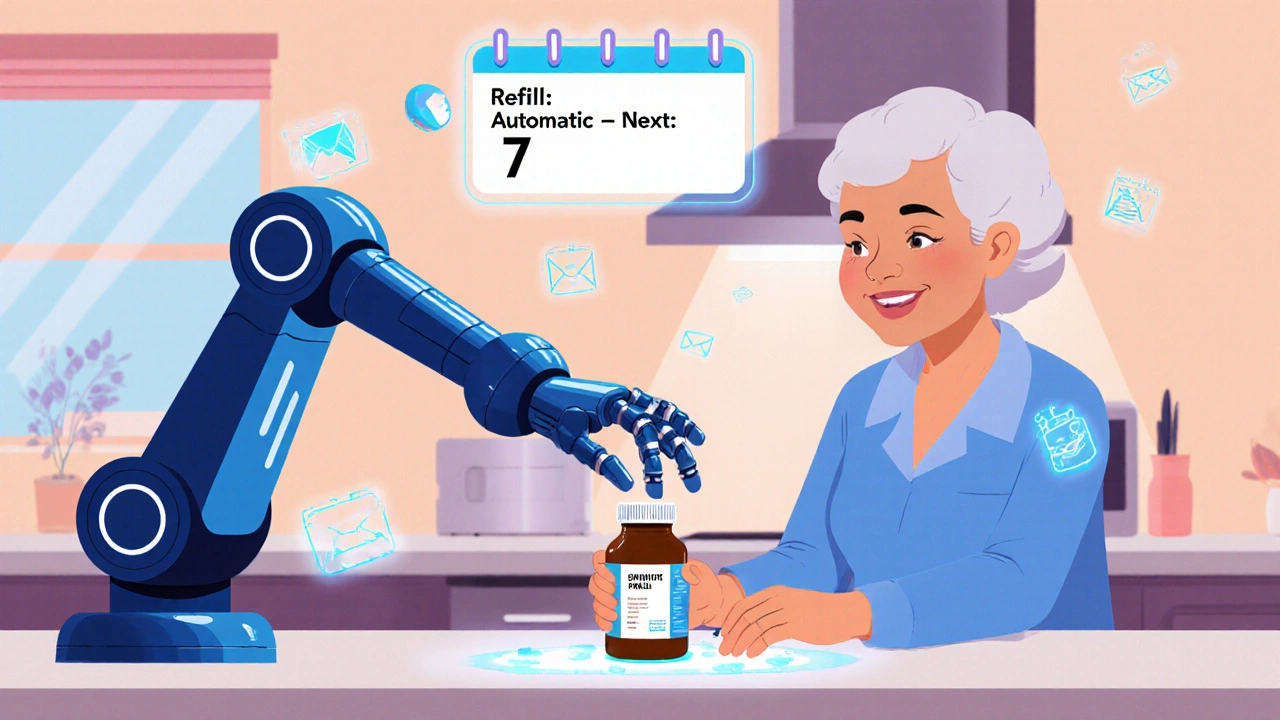
Automated Refills for Generic Medicines: How Online Pharmacies Make Chronic Care Easier
Automated refills for generic medicines help patients stay on track with daily prescriptions by eliminating the need to remember refill requests. Learn how online pharmacies use this system to boost adherence, cut costs, and reduce errors.

How Support Groups and Community Programs Improve Medication Compliance
Support groups and community programs significantly improve medication adherence by offering peer support, reducing isolation, and providing practical strategies. Research shows they cut hospital readmissions and work better than education alone.