
Category: Pharmaceuticals - Page 4
Understanding Generic Names vs. Brand Names on Rx Labels
Learn how to read your prescription label to tell the difference between generic and brand-name drugs. Discover why generics cost up to 90% less but work the same way - backed by FDA science and real-world data.
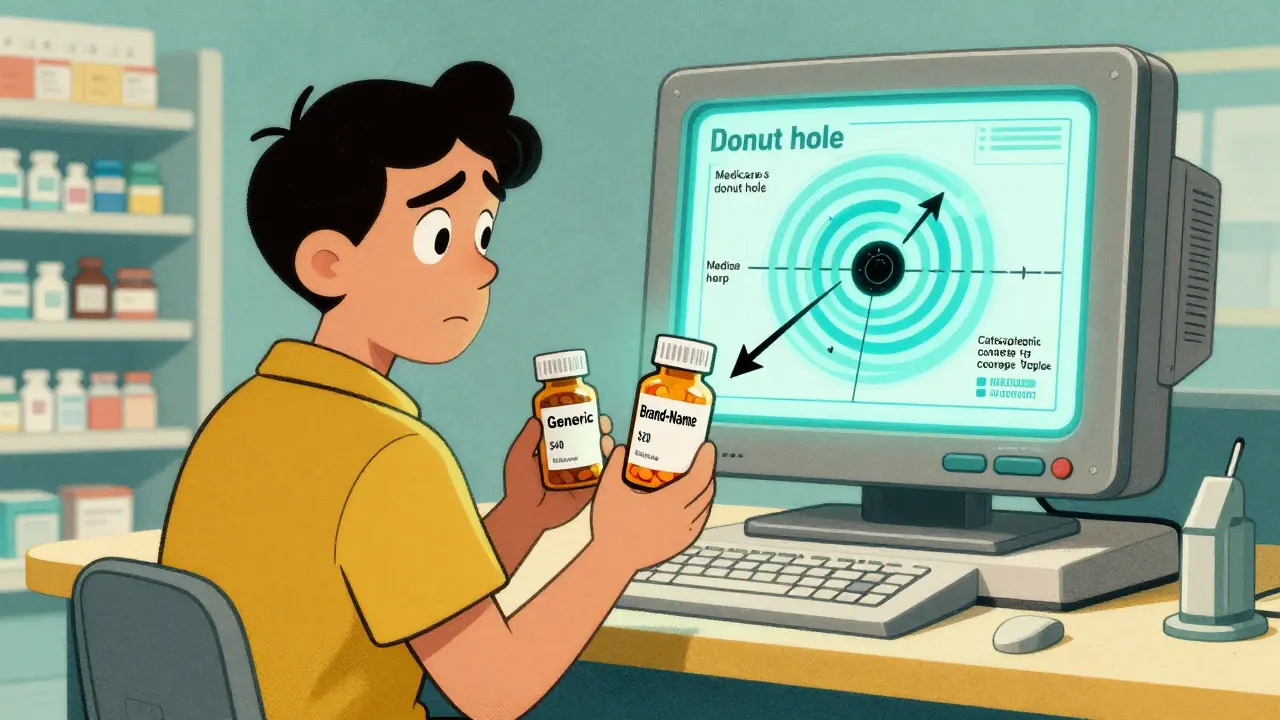
Out-of-Pocket Costs: What Patients Really Pay for Generic vs Brand-Name Drugs
Generic drugs usually cost 80-85% less than brand-name drugs, but out-of-pocket costs can vary wildly based on insurance. Medicare Part D patients sometimes pay more for generics due to coverage gap rules. Learn how to save on prescriptions.
When Do Drug Patents Expire? Understanding the 20-Year Term and Real-World Timelines
Drug patents last 20 years from filing, but most drugs have only 7-12 years of market exclusivity due to lengthy approval processes. Patent extensions, regulatory exclusivities, and litigation shape when generics can enter.
Rare Adverse Events with Generics: When and How to Report Side Effects
Learn when and how to report rare side effects from generic drugs. Understand FDA guidelines, what counts as serious, and why your report matters - even if you think it's just you.
How to Prevent Compounding Errors for Customized Medications: A Practical Guide for Pharmacists and Patients
Learn how to prevent dangerous errors in customized medications through proven protocols like dual-check systems, USP standards, and PCAB accreditation. Essential reading for pharmacists and patients alike.

Clinical Outcomes with Biosimilars: Do They Work as Well as the Original Biologics?
Biosimilars are proven to work as well as original biologic drugs, with no clinically meaningful differences in safety or effectiveness. They offer major cost savings and are now used by hundreds of thousands of patients worldwide.
Complex Generic Formulations: Why Proving Bioequivalence Is So Hard
Proving bioequivalence for complex generic drugs like inhalers, topical creams, and injectables is far harder than for simple pills. Learn why these life-saving generics remain rare and what’s being done to change that.
How to Check REMS Requirements Before Starting a Medication
Learn how to check REMS requirements before starting a new medication to avoid delays and ensure safety. Understand FDA-mandated safety steps for high-risk drugs like isotretinoin, opioids, and mycophenolate.
SGLT2 Inhibitors and Fournier’s Gangrene: What You Need to Know Now
SGLT2 inhibitors help manage diabetes and protect the heart and kidneys, but they carry a rare risk of Fournier’s gangrene. Learn the early warning signs and what to do immediately if you notice them.
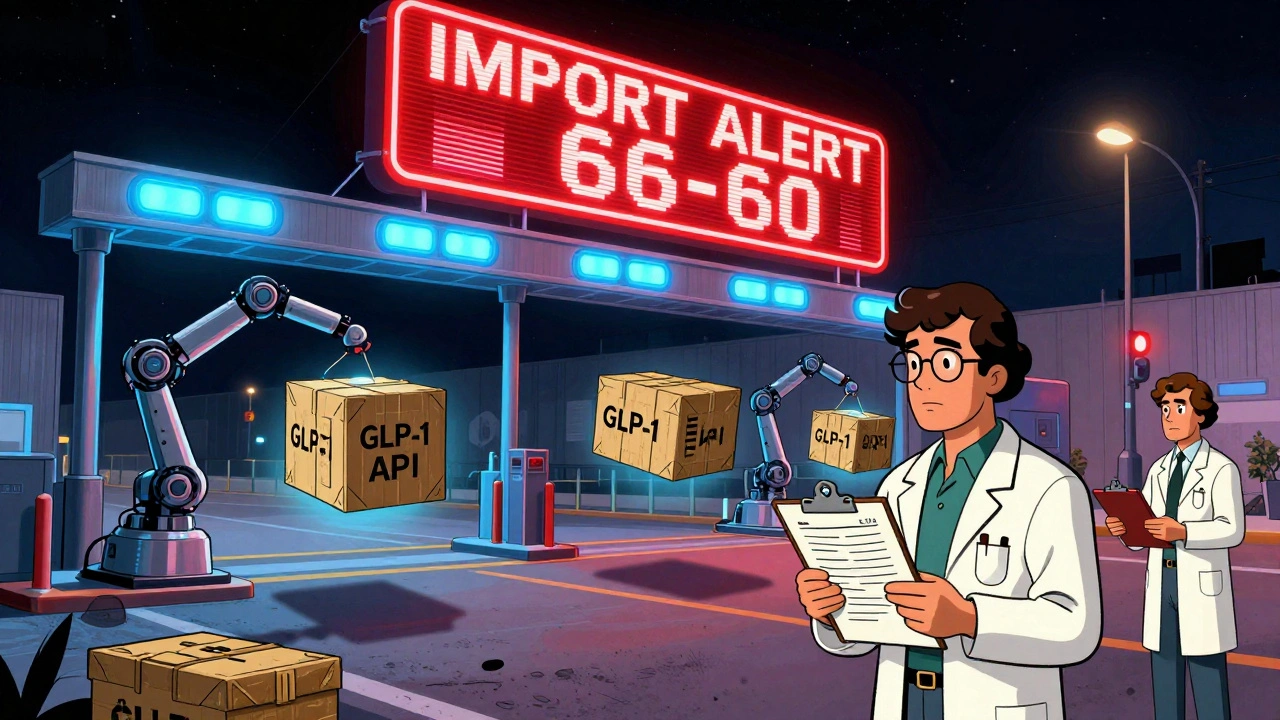
Import Alerts: How the FDA Blocks Drugs from Non-Compliant Manufacturers
The FDA uses Import Alerts to block drugs from manufacturers with poor quality practices. Learn how the Green List, DWPE system, and new GLP-1 enforcement are reshaping global pharmaceutical supply chains and what it means for patients and producers.