
Category: Pharmaceuticals - Page 2
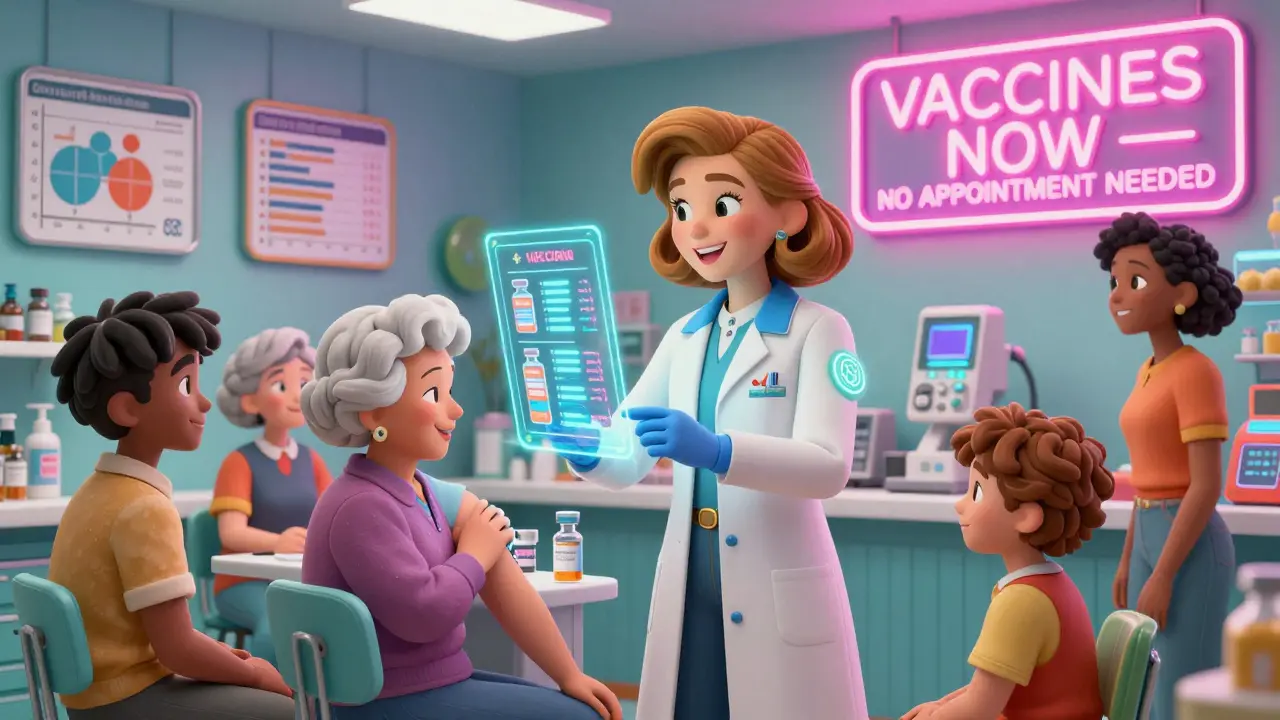
Immunizations and Generic Prescriptions: How Pharmacists Are Leading Healthcare Change
Pharmacists are now key providers of vaccines and generic prescriptions, offering accessible, affordable care that reduces costs and improves public health. Learn how they're changing the system - and what's still holding them back.
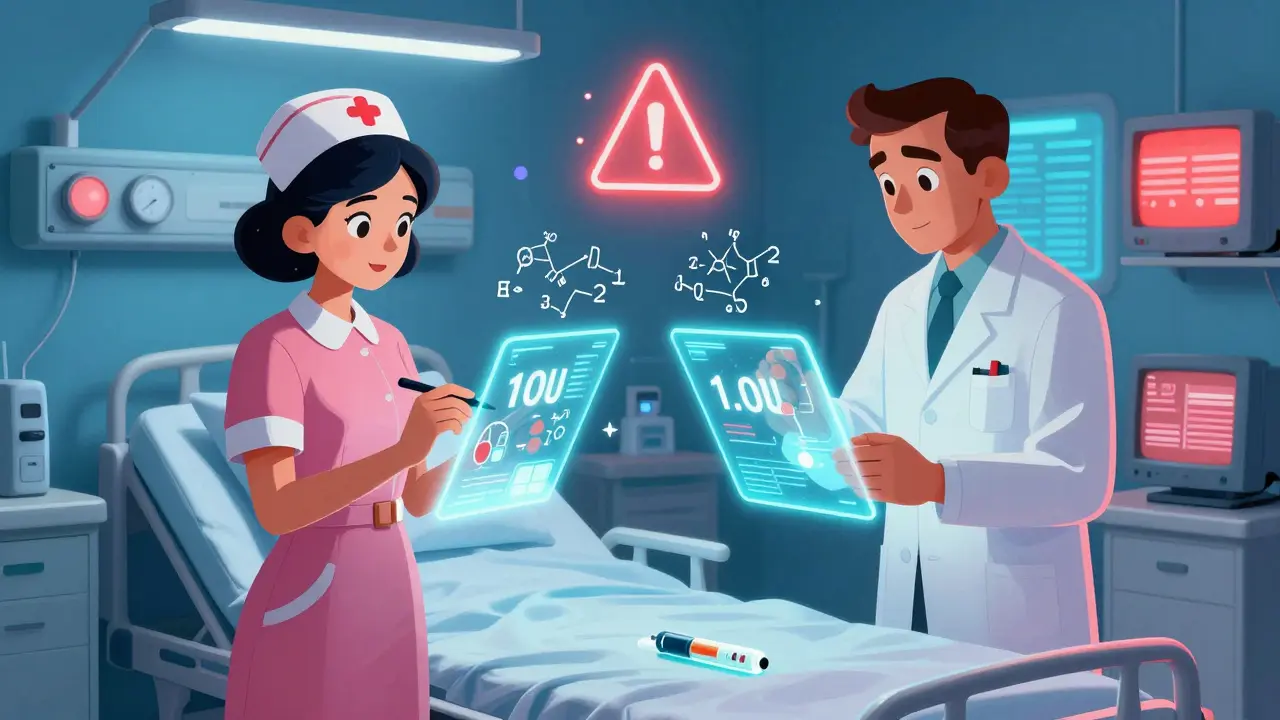
How to Verify Dose Changes and Avoid Miscommunication in Healthcare
Learn how to verify medication dose changes safely using targeted protocols, SBAR communication, and smart verification tools to prevent deadly errors. Based on 2026 healthcare standards.
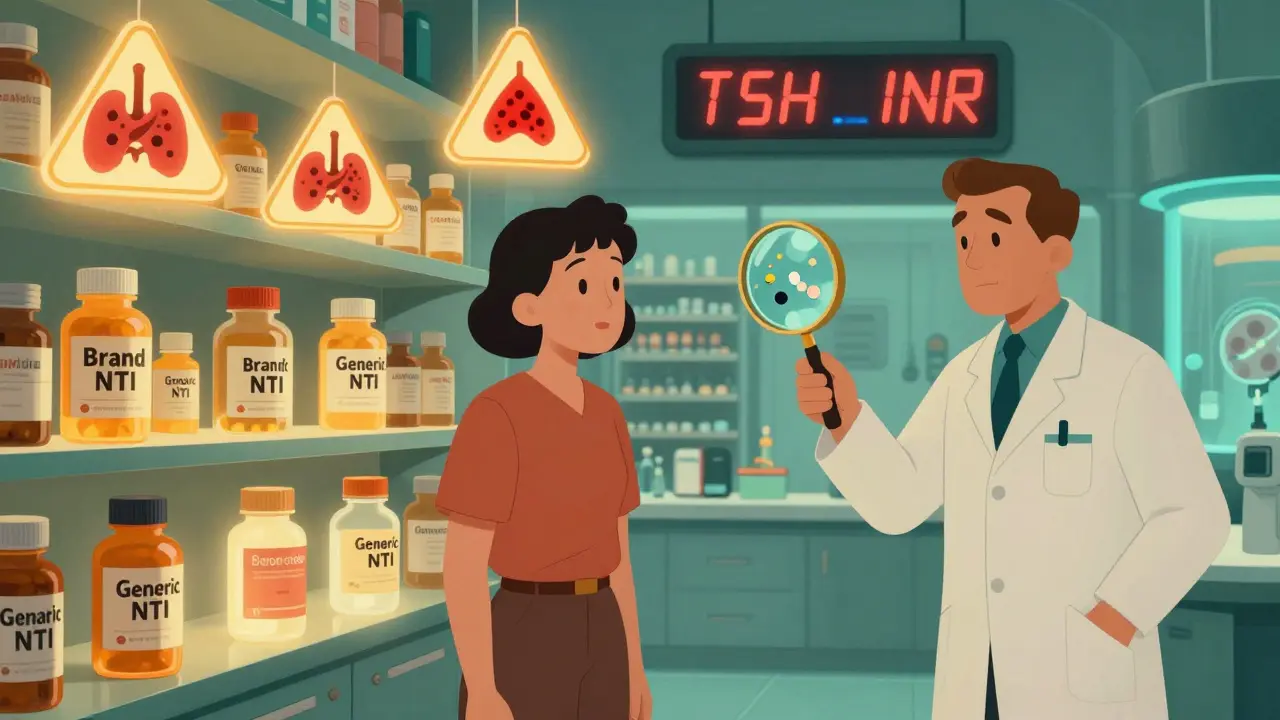
Should You Stay on Brand NTI Drugs When Generic Substitution Is Allowed?
When generic substitution is allowed for narrow therapeutic index (NTI) drugs, should you stay on brand? Learn how small differences in blood levels can impact safety, why some patients react differently, and what steps to take to protect your health.
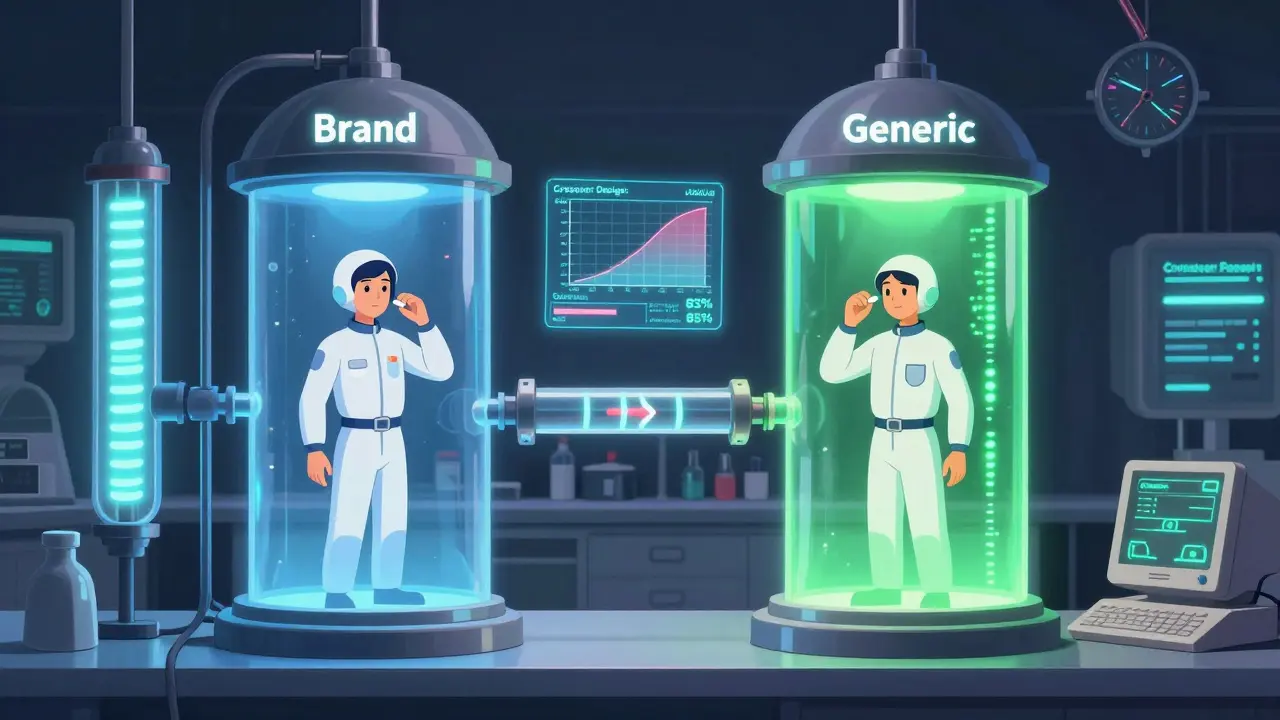
Crossover Trial Design: How Bioequivalence Studies Are Structured
Crossover trial design is the gold standard for bioequivalence studies, using each participant as their own control to compare generic and brand-name drugs. Learn how 2×2 and replicate designs work, why washout periods matter, and how regulators determine if two drugs are truly equivalent.
Pharmacy Reimbursement Models: How Laws Impact Generic Drug Payments
Pharmacy reimbursement models determine how pharmacies get paid for generic drugs. Federal and state laws like the Hatch-Waxman Act and Medicare Part D rules shape these payments. Understanding these models explains why generics are cheaper yet pharmacies face tight margins. Current changes like the Medicare $2 Drug List aim to improve access and savings.

State Laws on Generic Drug Substitution: A Patchwork of Regulations Across the U.S.
State laws governing generic drug substitution vary significantly across the U.S., affecting how pharmacists replace brand-name medications. This article explains key regulatory differences, their impact on patient safety and costs, and real-world examples from Kentucky, Hawaii, and other states.

How to Understand Boxed Warning Label Changes Over Time
Boxed warnings are the FDA's strongest drug safety alerts. Learn how these labels have evolved from vague warnings to precise, data-driven alerts-and how to read and act on changes over time.
Provider Education on Generics: Boosting Clinician Confidence and Patient Adherence
Provider education on generics improves clinician confidence, reduces patient skepticism, and increases adherence. Learn how evidence-based training boosts generic prescribing and saves healthcare costs.
Generic Drug User Fee Amendments: How GDUFA Laws Speed Up FDA Reviews
GDUFA laws let the FDA collect fees from generic drug makers to speed up reviews, cut backlogs, and ensure affordable medications reach patients faster. Here's how it works and why it matters.

Medication Reconciliation: How to Update Medication Lists Across Care Settings
Medication reconciliation prevents dangerous errors during care transitions by matching a patient’s actual medications with what’s ordered. Learn how it works, why pharmacists lead it, and what’s changing in 2026 to improve safety.