
Top-Meds.org: The Premier Resource for Pharmaceuticals - Page 4
Infographics About Generics: Visual Tools to Understand Generic Medications
Infographics about generics help patients understand that generic drugs are just as safe and effective as brand-name versions. These visual tools explain bioequivalence, FDA approval, cost savings, and equity - reducing fear and increasing adherence.
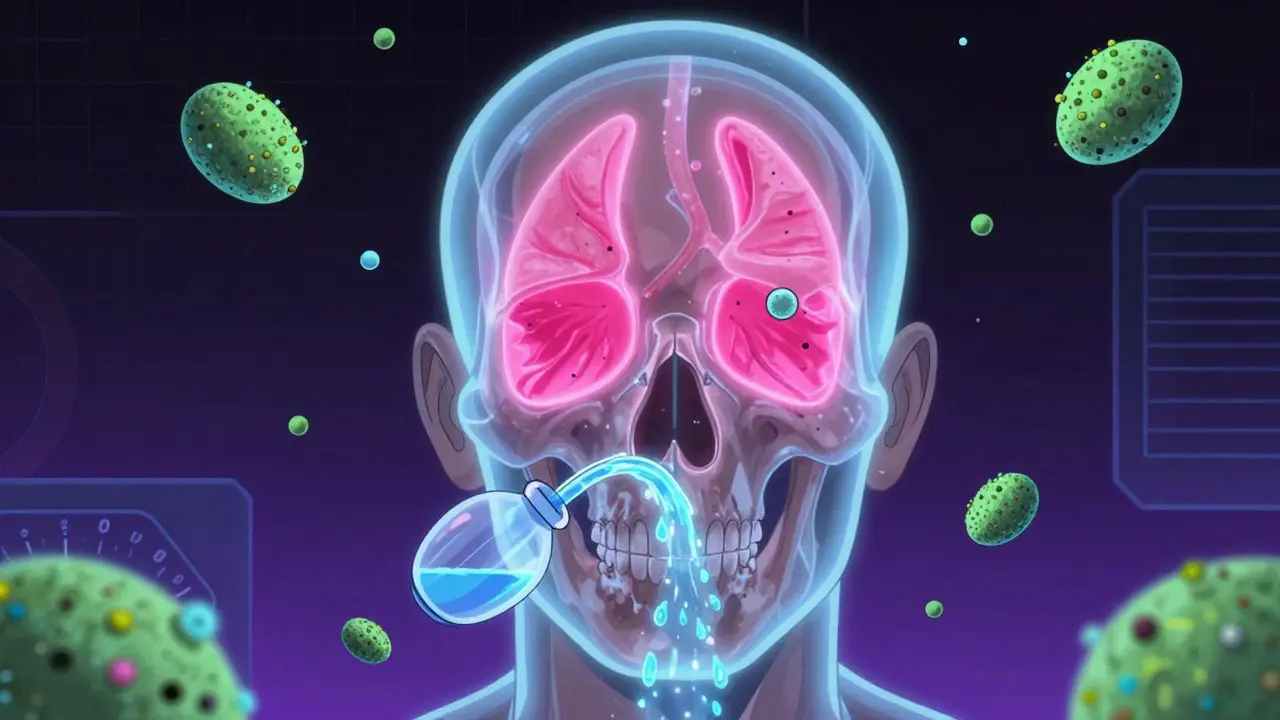
Chronic Sinusitis: How Allergies, Infections, and Surgery Affect Your Breathing
Chronic sinusitis lasts over 12 weeks and isn't just a stubborn infection. It's often caused by allergies, nasal polyps, or inflammation. Learn how saline rinses, steroid sprays, biologics, and surgery can restore your breathing and sense of smell.
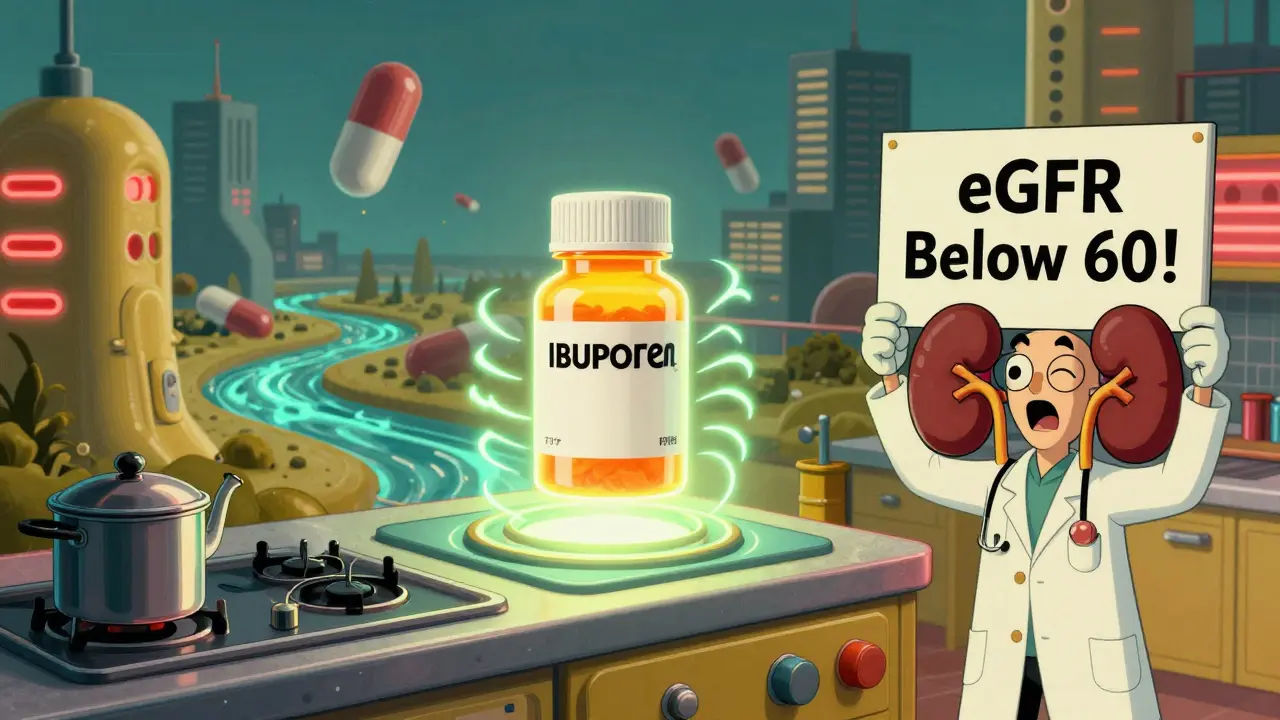
NSAIDs and Kidney Disease: How to Prevent Acute Kidney Injury
NSAIDs like ibuprofen and naproxen can cause acute kidney injury, especially in people with existing kidney disease or those taking other medications. Learn the risks, warning signs, and safer alternatives.
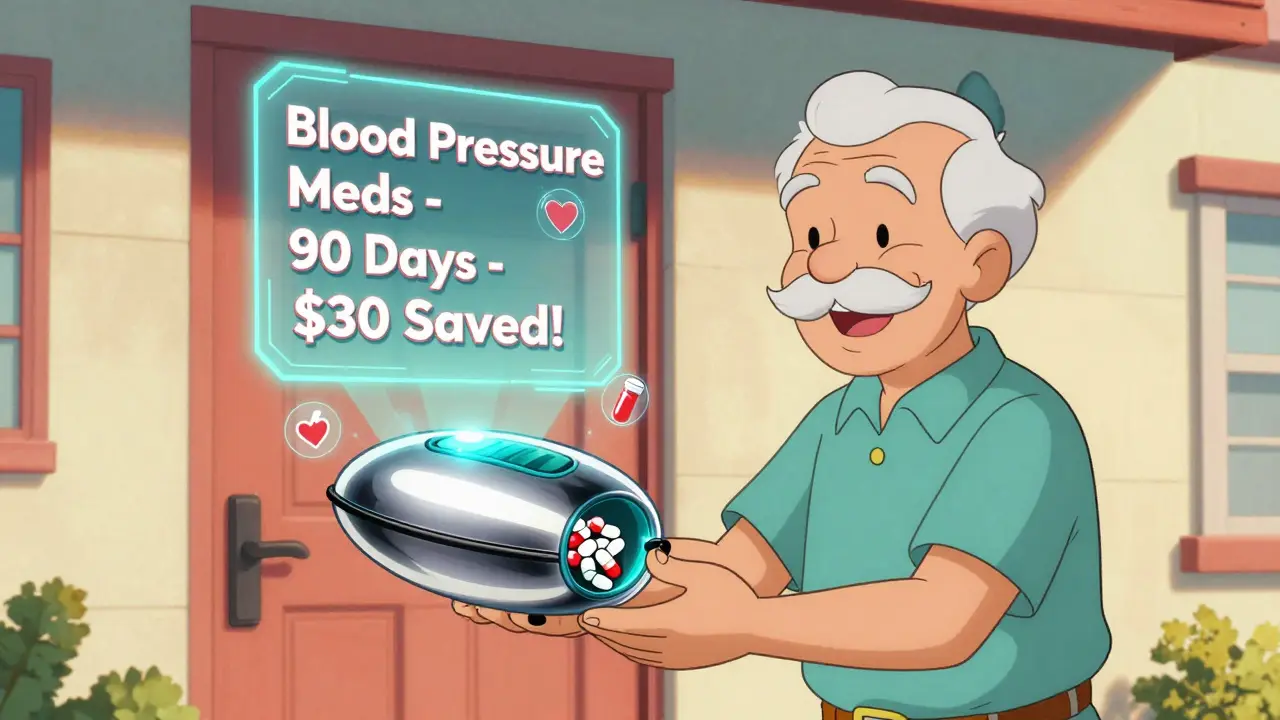
Mail-Order Pharmacy Cost Savings: Pros and Cons You Need to Know
Mail-order pharmacies can save you hundreds a year on maintenance meds with 90-day supplies for the price of two months. But they’re not ideal for emergencies or if you need quick access. Learn who benefits most - and the real risks.
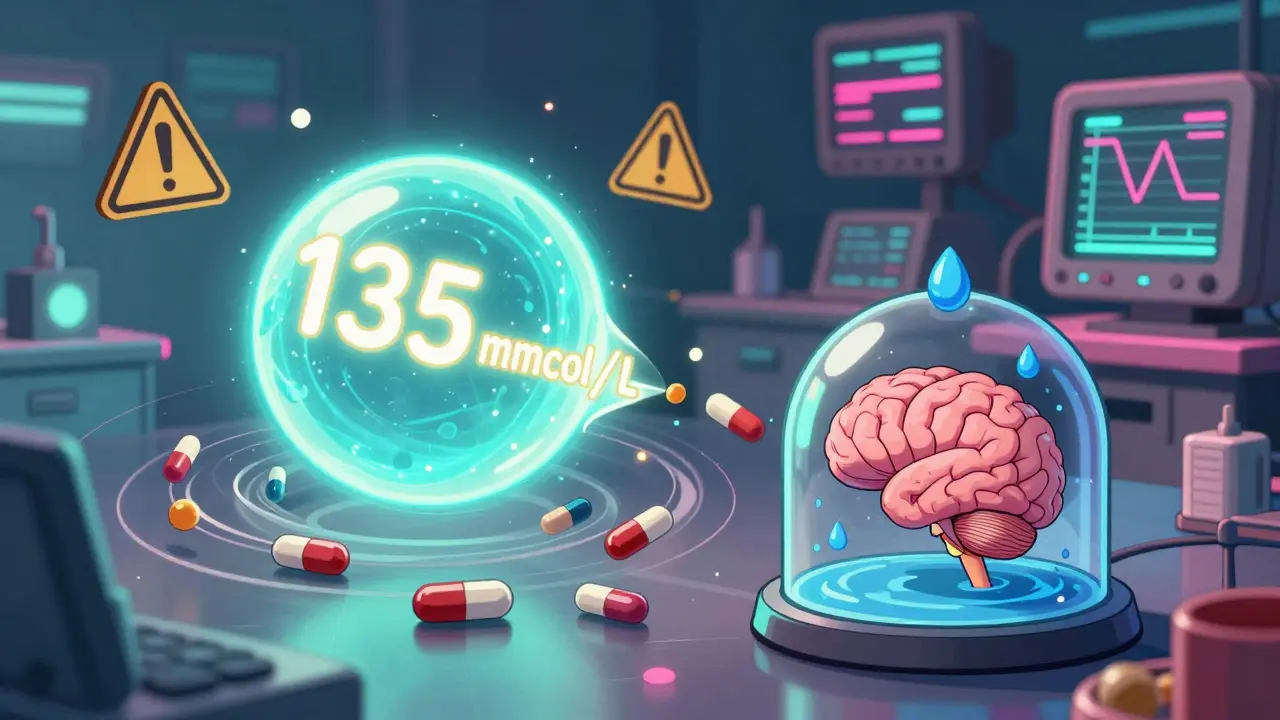
Severe Hyponatremia from Medications: Signs, Risks, and What to Do
Medications like SSRIs and diuretics can cause dangerous drops in sodium, leading to confusion, seizures, and even death. Learn the signs, who's at risk, and how to prevent this life-threatening side effect.
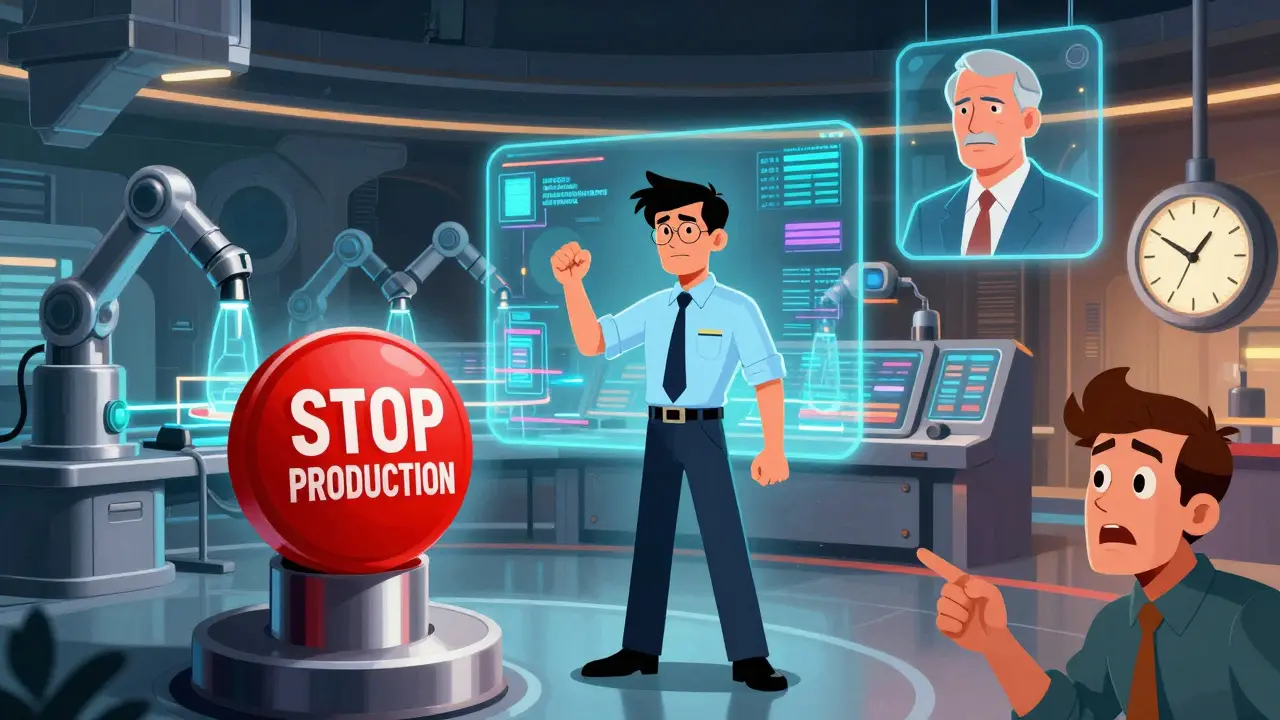
Quality Assurance Units: Why Independent Oversight Is Non-Negotiable in Production
Quality Assurance Units must operate independently from production to ensure safety and compliance. Learn why regulators demand separation, how it works in practice, and what happens when it fails.
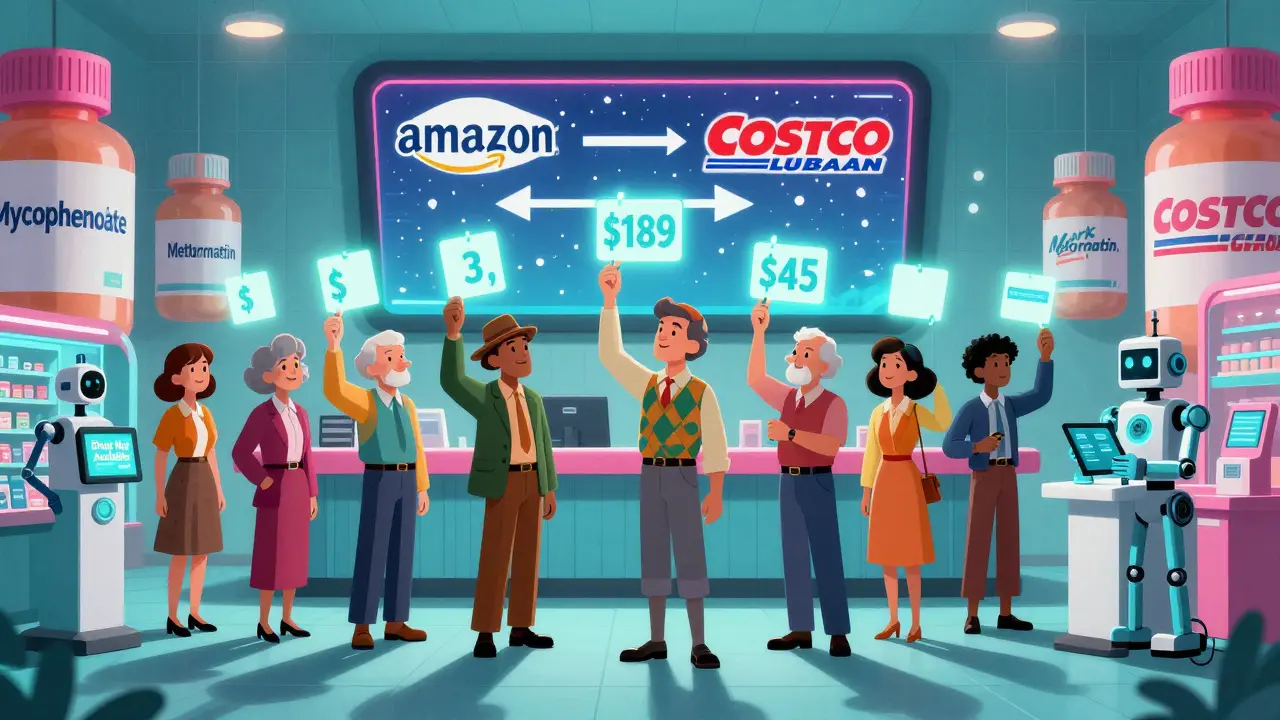
Direct-to-Consumer Generic Pharmacies: How Much You Really Save vs. Insurance
DTC pharmacies can save you hundreds on expensive generic drugs - but only if you know which ones to buy where. For common meds, insurance often wins. Here’s how to navigate the maze and actually save money.
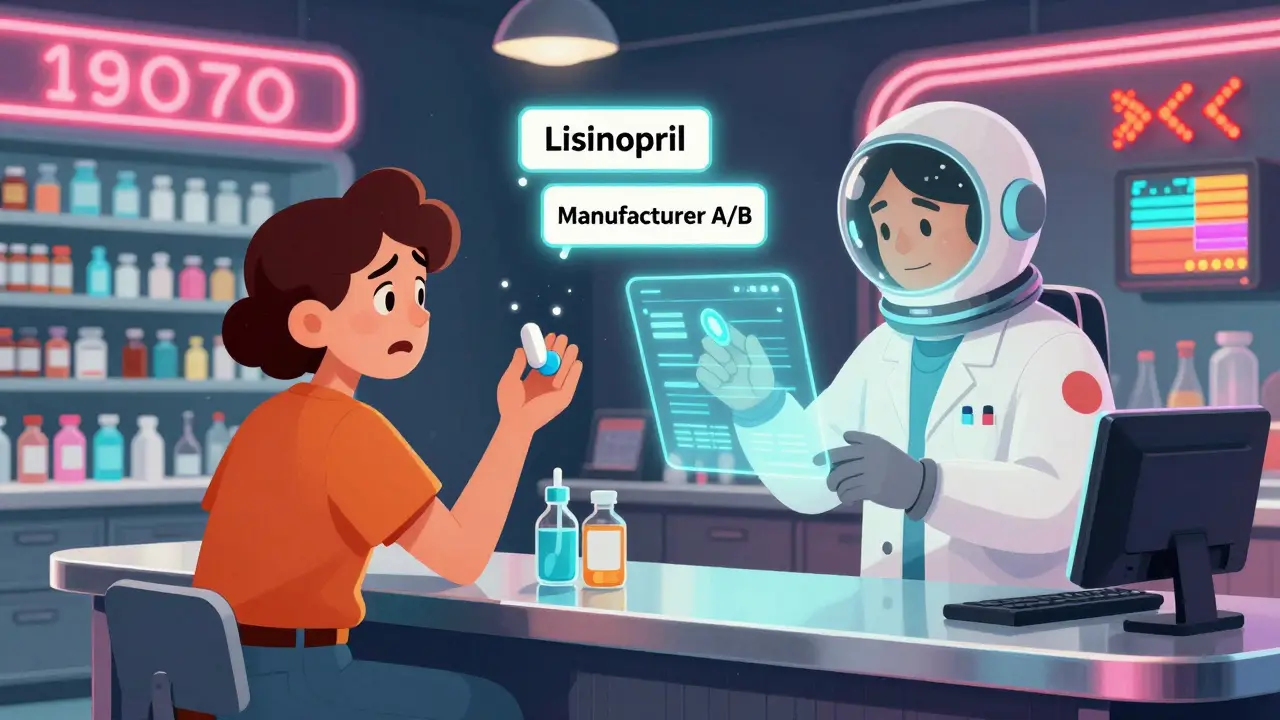
Pharmacy Errors with Generics: How to Prevent and Fix Common Mistakes
Generic medications make up 90% of prescriptions but carry hidden risks that lead to common pharmacy errors. Learn how dosage confusion, manufacturer changes, and poor labeling put patients at risk-and what pharmacists can do to prevent and fix these mistakes today.
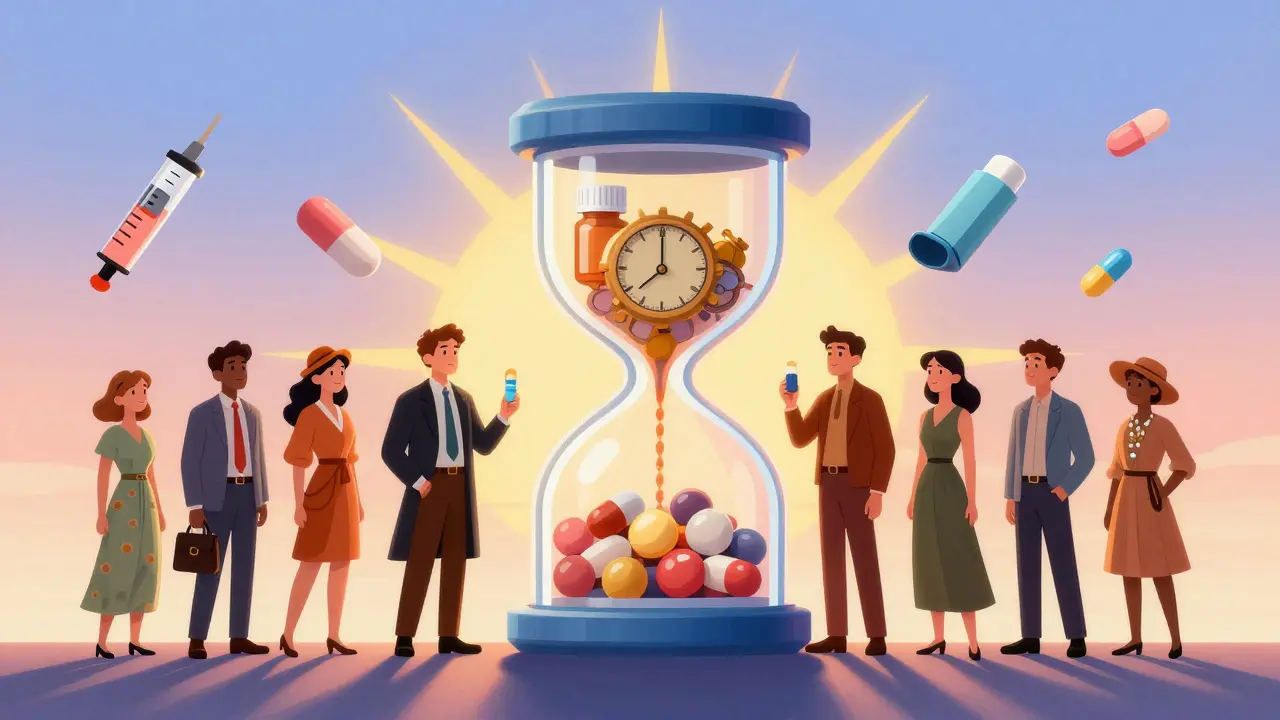
Religious Fasting and Medication Timing: Safe Dosing During Fasts
Learn how to safely take medications during religious fasting, especially during Ramadan. Discover when to adjust doses, which meds are safe, and how to avoid health risks without breaking your faith.
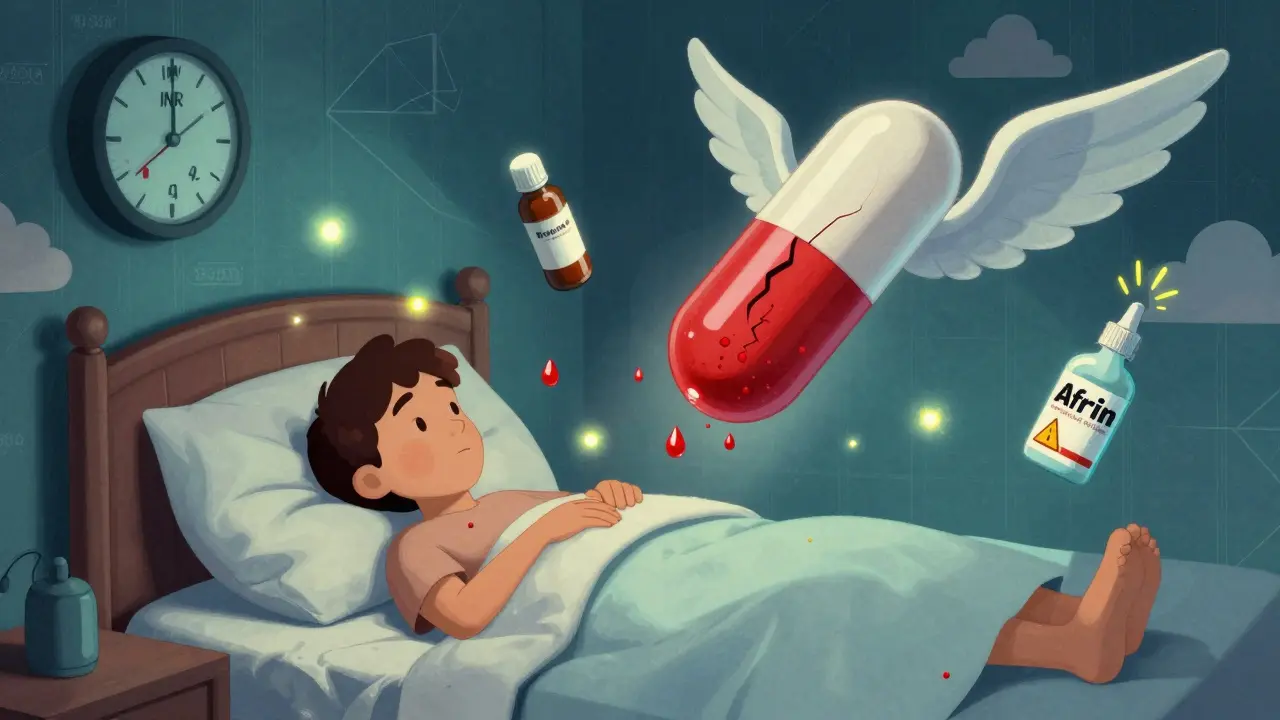
Nosebleeds Linked to Medications: Common Causes and How to Prevent Them
Nosebleeds can be caused by common medications like aspirin, ibuprofen, and blood thinners. Learn which drugs trigger them, how to prevent them with simple habits, and when to see a doctor.