
Category: Pharmaceuticals - Page 3
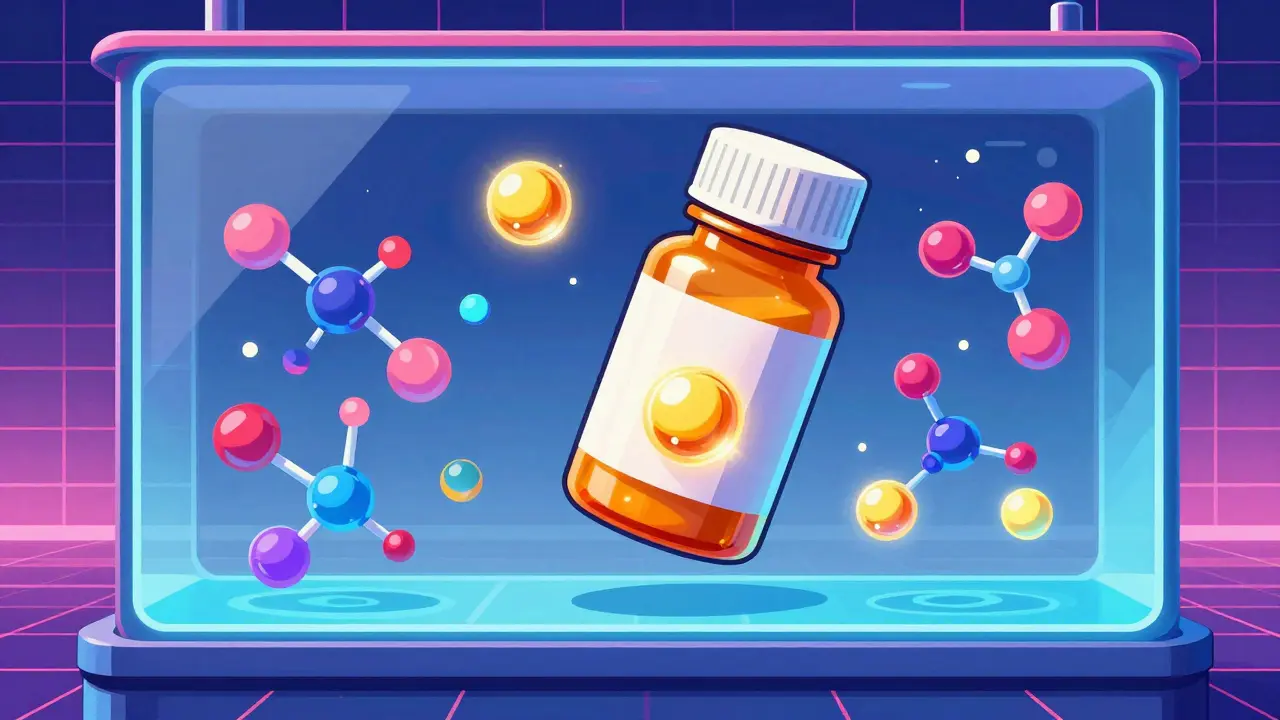
Infographics About Generics: Visual Tools to Understand Generic Medications
Infographics about generics help patients understand that generic drugs are just as safe and effective as brand-name versions. These visual tools explain bioequivalence, FDA approval, cost savings, and equity - reducing fear and increasing adherence.
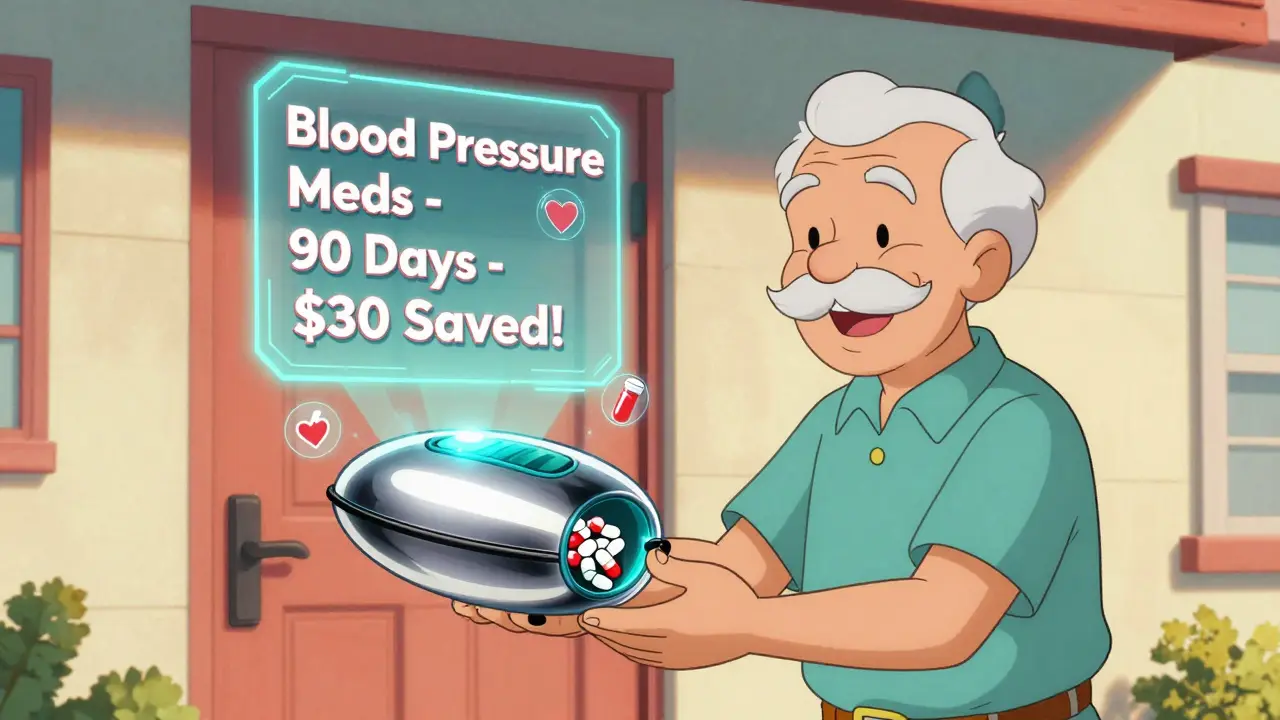
Mail-Order Pharmacy Cost Savings: Pros and Cons You Need to Know
Mail-order pharmacies can save you hundreds a year on maintenance meds with 90-day supplies for the price of two months. But they’re not ideal for emergencies or if you need quick access. Learn who benefits most - and the real risks.
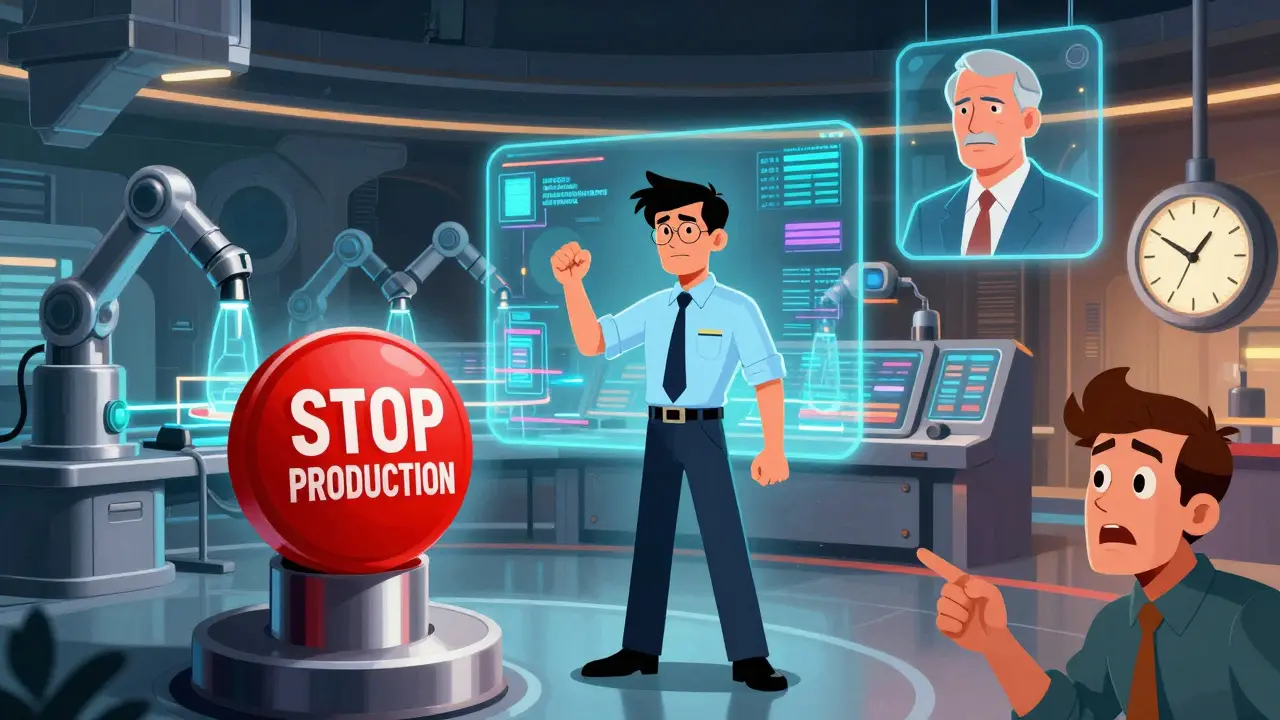
Quality Assurance Units: Why Independent Oversight Is Non-Negotiable in Production
Quality Assurance Units must operate independently from production to ensure safety and compliance. Learn why regulators demand separation, how it works in practice, and what happens when it fails.
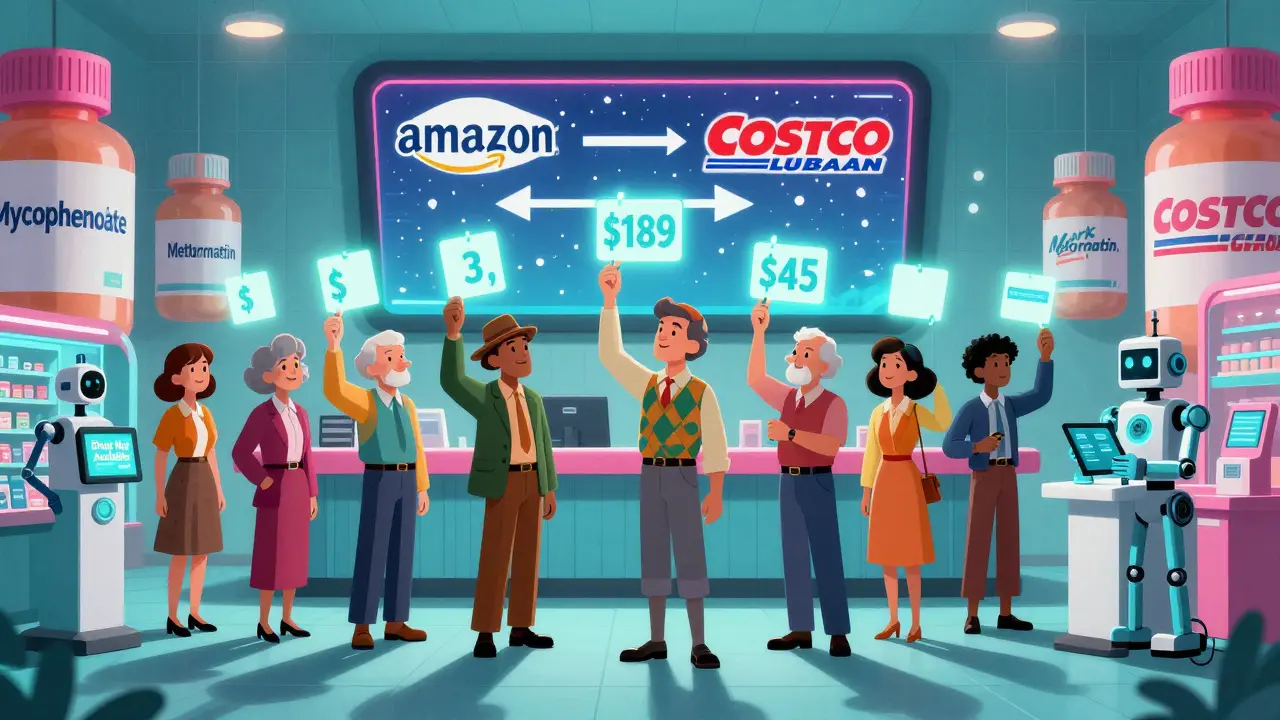
Direct-to-Consumer Generic Pharmacies: How Much You Really Save vs. Insurance
DTC pharmacies can save you hundreds on expensive generic drugs - but only if you know which ones to buy where. For common meds, insurance often wins. Here’s how to navigate the maze and actually save money.
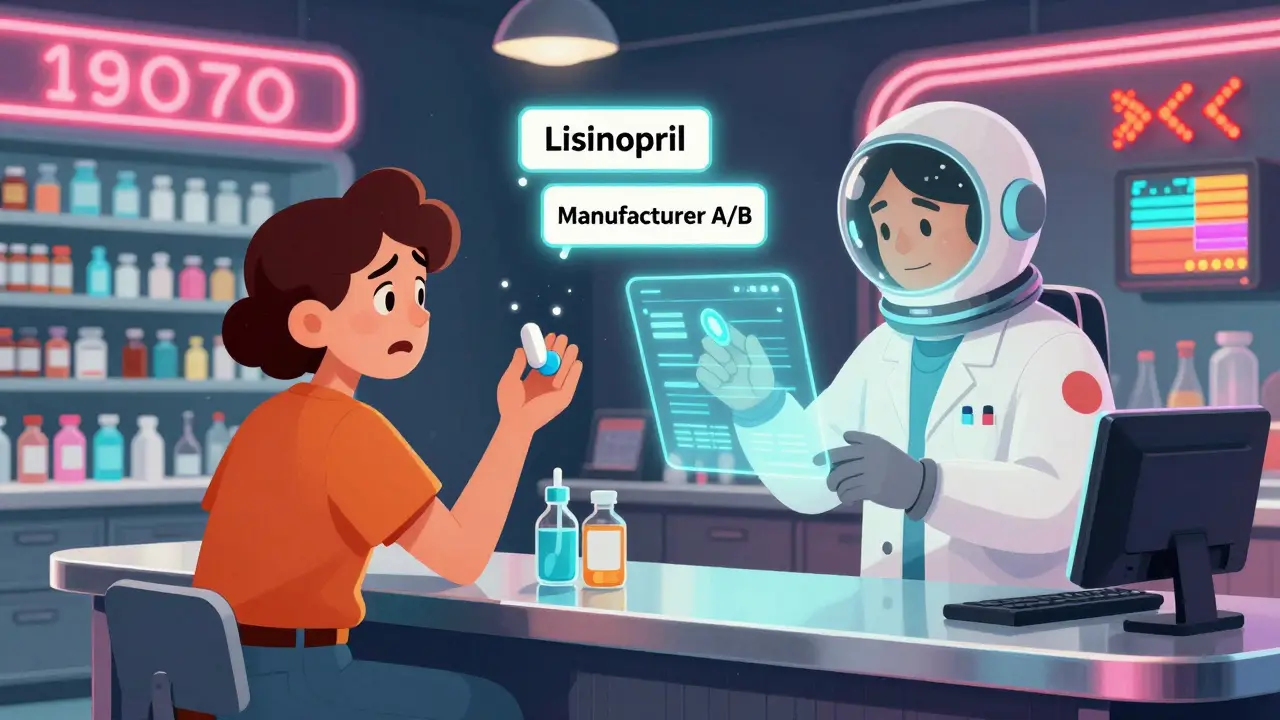
Pharmacy Errors with Generics: How to Prevent and Fix Common Mistakes
Generic medications make up 90% of prescriptions but carry hidden risks that lead to common pharmacy errors. Learn how dosage confusion, manufacturer changes, and poor labeling put patients at risk-and what pharmacists can do to prevent and fix these mistakes today.
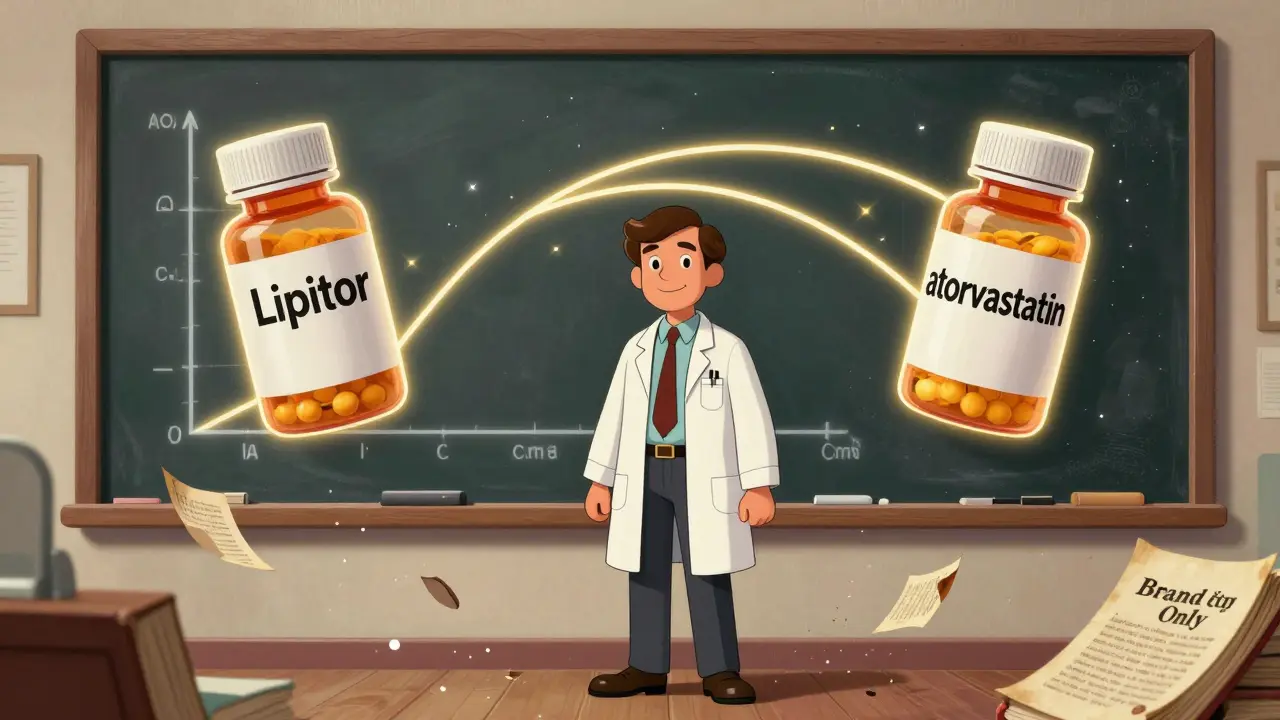
Medical Education on Generics: Do Doctors Learn Drug Equivalence?
Doctors prescribe generics for 90% of medications, but most weren't taught how bioequivalence works. This article breaks down why knowledge gaps persist, what actually changes prescribing habits, and how medical education can finally catch up.
Hatch-Waxman Act: How It Shaped Generic Drug Access in the U.S.
The Hatch-Waxman Act created the modern system for generic drug approval in the U.S., balancing innovation and affordability. It cut drug costs by billions while enabling faster generic entry-though patent abuses now threaten its effectiveness.
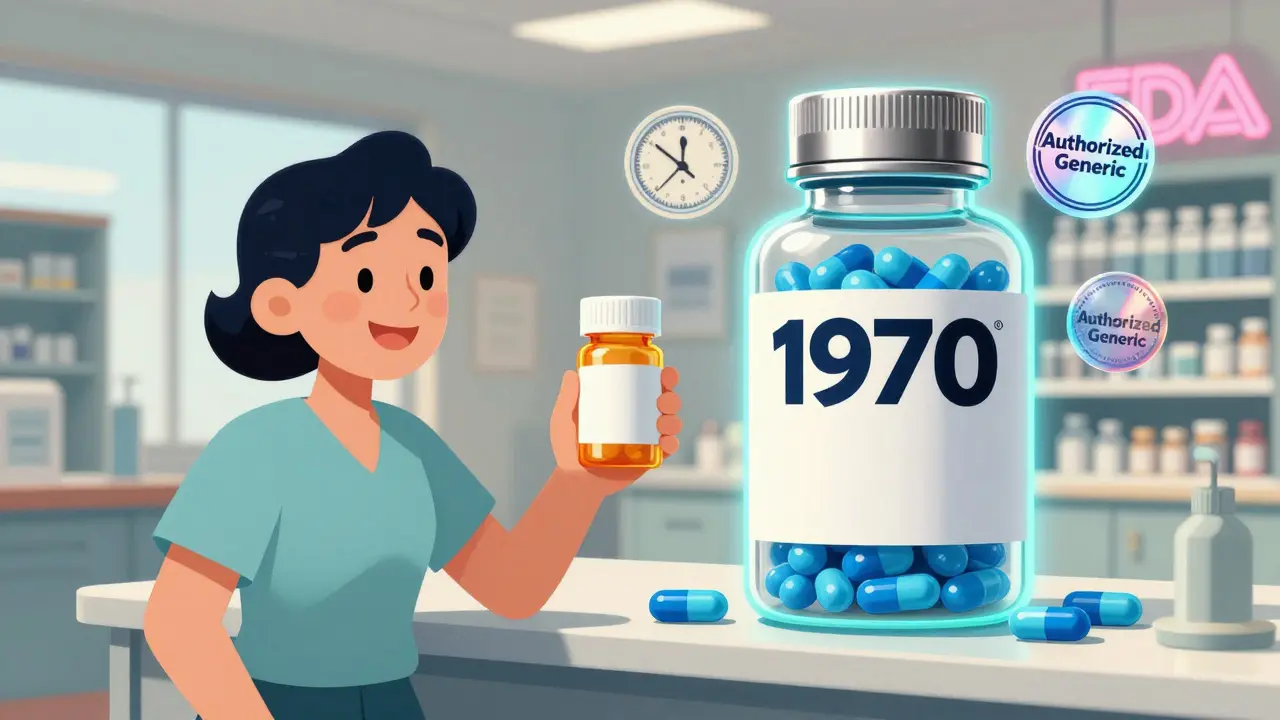
Switching from Brand to Authorized Generic: Practical Tips for Saving Money Without Compromising Care
Switching from a brand-name drug to an authorized generic saves money without sacrificing effectiveness. Learn how to confirm you're getting the real thing, what to expect, and how to navigate insurance and pharmacy changes.
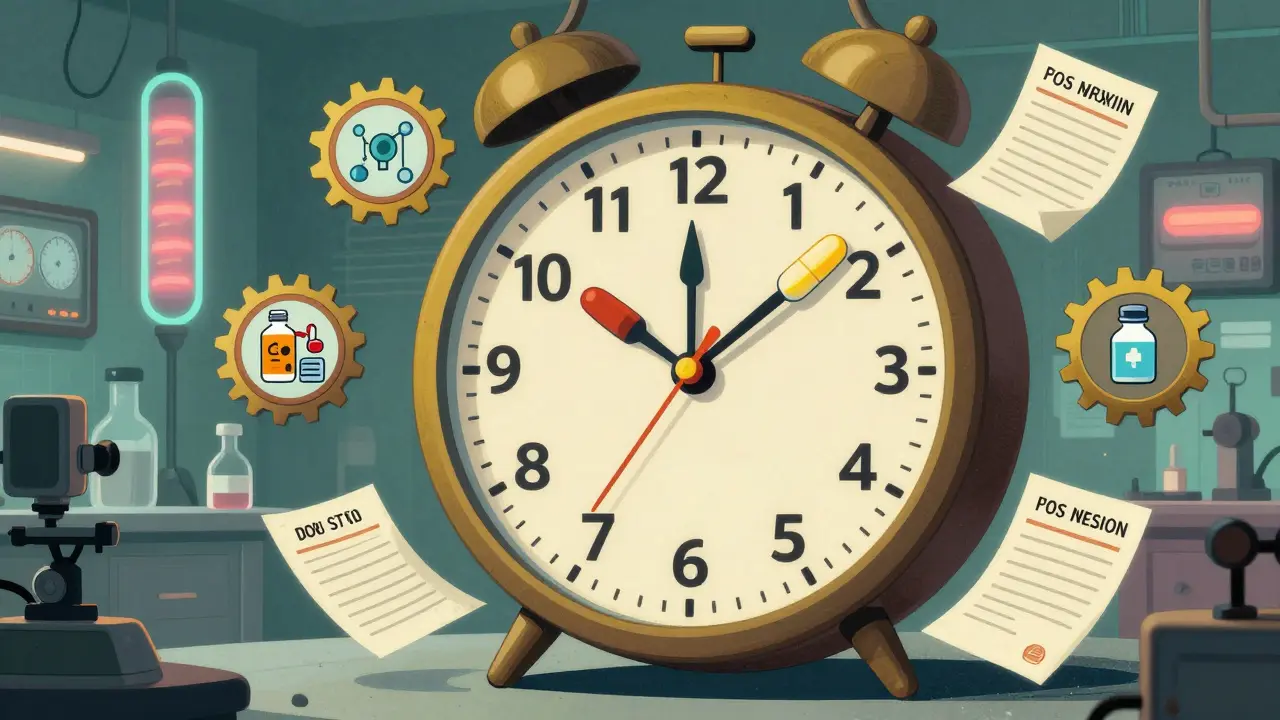
Effective Patent Life: Why Market Exclusivity in Pharmaceuticals Is Shorter Than You Think
Effective patent life in pharmaceuticals is often just 10-13 years, not 20, due to lengthy drug development and regulatory delays. Secondary patents and exclusivities extend monopolies beyond legal limits.
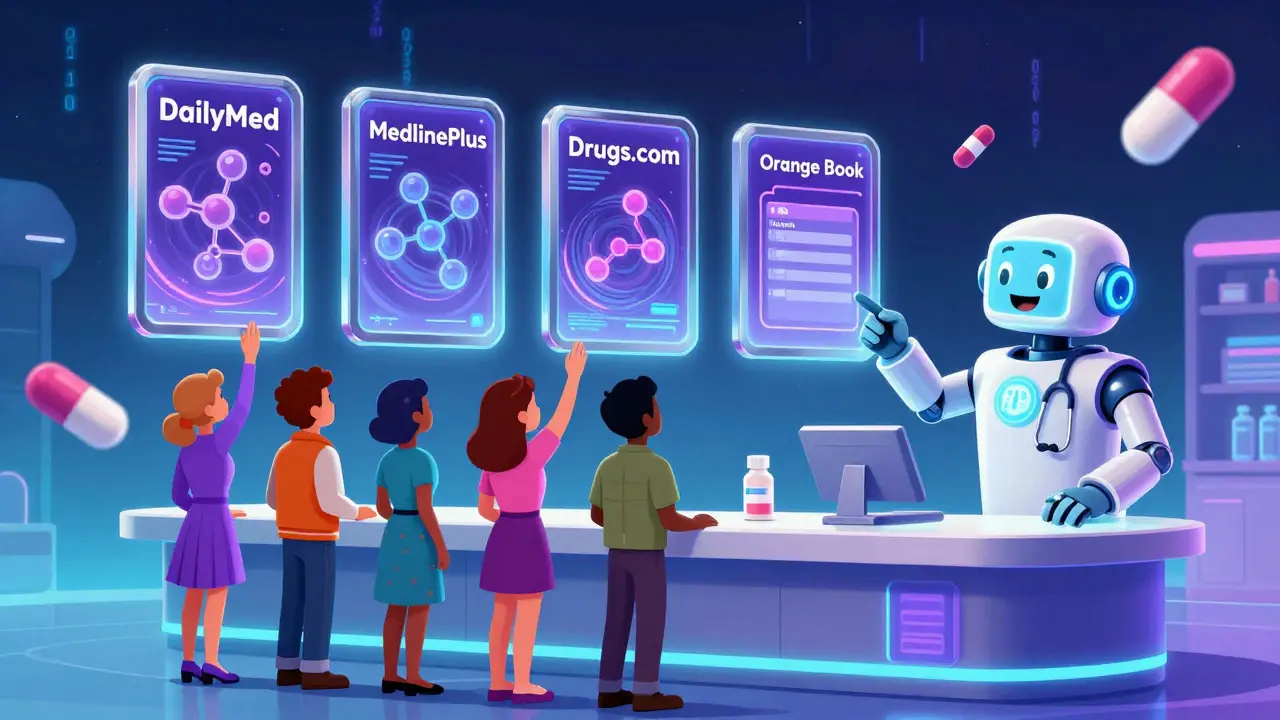
Best Reliable Online Resources for Generic Drug Information
Find trustworthy, free online resources for accurate generic drug information, including DailyMed, MedlinePlus, Drugs.com, and the FDA Orange Book. Learn how patients and professionals use them safely.